Theopolis Logo

Writing

Explore our collection of theological essays, biblical studies, and reflections on faith and culture.

See all
cloister

Gatekeepers

1 Chronicles 9:1 seems to bring the genealogies of 1 Chronicles to an end. The Chronicler has recorded the genealogy of the human race from Adam, focusing on the descendants of Abraham through Jacob. Summing it all up, he says, “So all Israel was enrolled by genealogies; and behold, they…

by Peter LeithartJune 21, 2016
trinity-1-2
Trinity

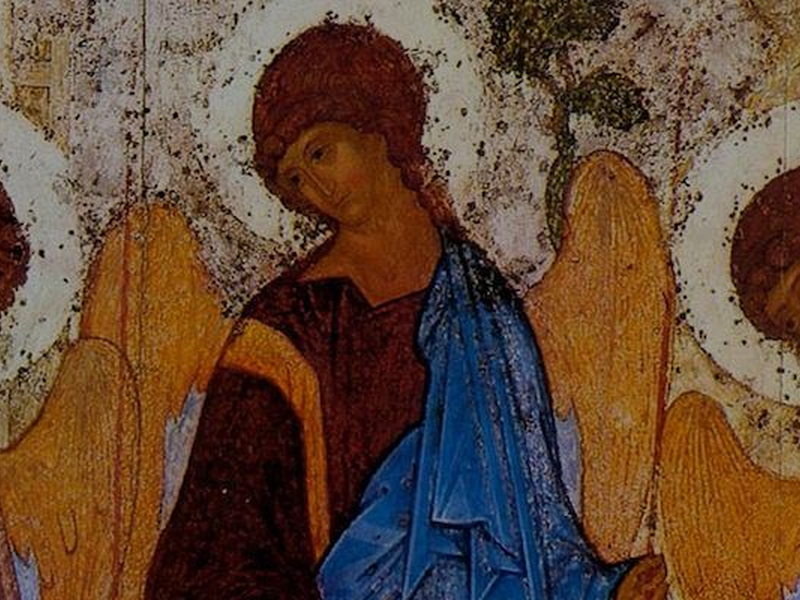
Are the Divine Persons Persons?

The “personalist” understanding of the Trinity, articulated most influentially in the work of John Zizioulas, has fallen on hard times. Recent scholars have attacked Zizioulas’s idea that Cappadocian Trinitarianism represented an ontological revolution, hammering on the distinction between divine and human personhood. Michel Barnes’s conclusion is the most drastic of…

by Peter LeithartJune 16, 2016
img_4660-2
Architecture

On Biblical Theology

Biblical Theology is often defined as the historical unfolding of God’s revelation, or of God’s revelation and of the history of his covenantal redemption and transformation of humanity and the world. In practice, Biblical Theology is usually broader than this, and also includes the study of literary structure and of…

by James B. JordanJune 14, 2016
laughing_statue_by_xxbobbiie-d5f0meh-2
Humor

Wise Laughter

We are made to be happy. Created to enter into the eternal joy of God, our whole being inclines to that end, but the fallen world has put forth barriers and by our own sin we bar ourselves from that endless delight, and death blinds us to that reality. Yet…

by Remy WilkinsJune 7, 2016
img_7664
Liturgy

Why Theopolis? Take Two

At the end of Revelation, John sees the heavenly city descending to earth. The city shines with the brilliance of God's glory, which lightens the nations, so that kings bring their glory to the city. This is not a vision of the final new heaven and new earth. It's a…

by Peter LeithartJune 2, 2016
trinity-1-2
Attributes of God

How Can We Talk About God?

“No one has ever seen God,” writes John (John 1:18). If this is the case, then how can we speak about God? Some people say we actually cannot. Or at least we cannot speak about God positively, i.e. who He is. We can only say who or what God is…

by Bogumil JarmulakMay 31, 2016

Showing page 130 of 309

See all
See all

Political Constutitionalism

Robert Bellamy states the thrust of his "republican defense of constitutional democracy" up front ( Political Constitutionalism , viii). He rejects the common assumption that "a written, justiciable constitution, incorporating a bill of rights" is a "necessary safeguard against the abuse of power by democratic governments." Written constitutions often have…

October 20, 2017

Dove-Tailed World

Adam Kirsch can't bring himself to say that poet Richard Wilbur, who died last weekend, was a Christian. In a 2004 New Yorker review , he comes close - recognizing religious themes and describing him as a "Transcendentalist." Kirsch recognizes that Wilbur's religious vision infused his poetry: "the clean laundry…

October 20, 2017

Anti-Liturgies of Pop Music

In Benedict XVI: A Guide for the Perplexed (33-4), Tracey Rowland takes note of the Pope's sharp critique of popular music, including contemporary Christian music. Benedict "quotes Adorno’s judgement that ‘the fundamental characteristic of popular music is standardization’ and describes this as ‘incompatible with the culture of the Gospels, which…

October 20, 2017

Evolution - A Theory of Everything?

Evolutionary theorists want to present evolution as a theory of everything. Benedict XVI ( Truth and Tolerance , 180-1) doesn't buy it. Philosophically, the question is "whether reason, or rationality, stands at the beginning of all things and is grounded in the basis of all things or not. The question…

October 20, 2017

Augustine v. Augustinians

In his book on sacral Kingship (90-1), Francis Oakley points to the disjunction between Augustine himself and the medieval writers to claimed his mantle. Augustine's political theology in the City of God has been read through the lends of his anti-Donatist writings. A more theocratic Augustine results: "the Augustine whom…

October 20, 2017

Re-Christianizing France?

Gaul is still divided into three parts, according to Stefan McDaniel in a 2016 essay in First Things . Three parties are vying to determine the future of France - deconstructionists, children of 1968; reconstructionists, in search for new values to guide the country, including consideration of Islam; and classicists,…

October 20, 2017

Showing page 131 of 2212

Browse by Category

In Medias Res

Your weekly digest for all things Theopolis.

Donate

Theopolis is nearly 100% donor-supported. Consider joining us on our mission.