Theopolis Logo

Writing

Explore our collection of theological essays, biblical studies, and reflections on faith and culture.

See all
isaiah-commission
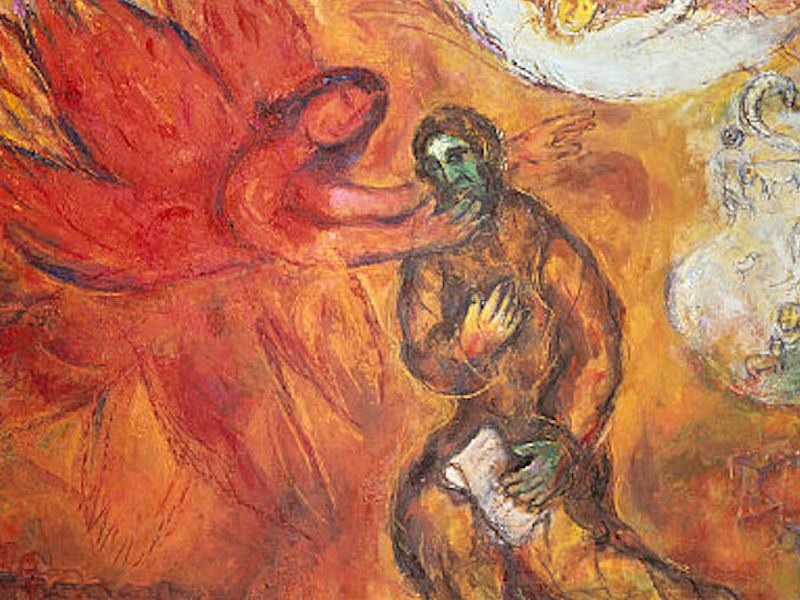
Isaiah

To An Unclean People

The book of Isaiah has a very brief introduction, one verse, and then plunges into a searing indictment of the people of Judah and Jerusalem. They are sons who do not honor their father, worse than donkeys and oxen who at least know their master. They are a bruised and…

by Peter LeithartSeptember 1, 2015

sixteen-miles-out-al48tflf4e8-unsplash
Biblical Studies

Apologia on Reading the Bible, (Part 3)

This is the third of a three-part essay. The Literary Reader As a conclusion to this essay, I want to make some observations that grow out of C. S. Lewis’s remarkable Experiment in Criticism , mentioned in an earlier installment. What Lewis is interested in doing is coming up with…

by James B. JordanAugust 27, 2015
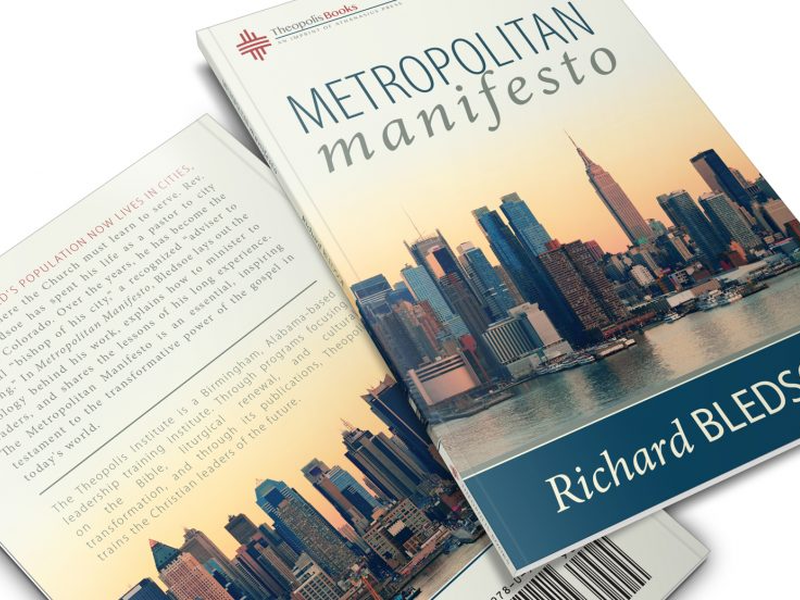
metropolitanmanifesto-3dfrontback-promo-3
Theopolis News

Metropolitan Manifesto: Available Now!

Metropolitan Manifesto, the new work from Theopolis fellow Richard Bledsoe, and first "Theopolis Books" release, is out today! Head over to the Athanasius Press website to get a copy. Half the world's population now lives in cities, and that is where the Church must learn to serve. Rev. Richard Bledsoe…

by Brian MoatsAugust 25, 2015
medievalilluminatedmanuscript
Biblical Studies

Apologia on Reading the Bible, (Part 2)

This is the second portion of a three-part essay. Learning to Read Learning to read the Bible is easier said than done, of course. There are several reasons for this, and they all have to do with the art of reading. Reading is an art and not a science, and…

by James B. JordanAugust 25, 2015
img_1069
Theopolis News

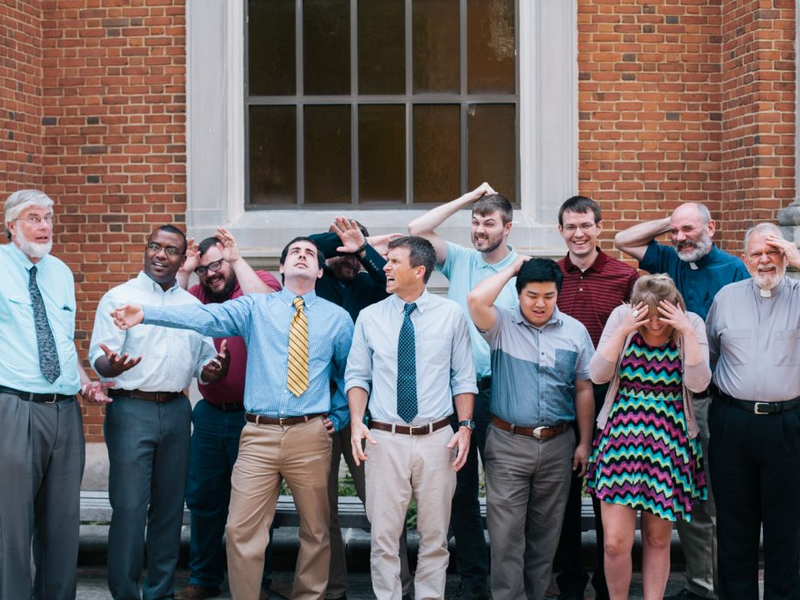
Mission to the City

“It instilled a real and abiding change in the way I understand my life as a disciple of Jesus Christ,” said Clint Hail, a Community Development Coordinator out of Dallas who attended Theopolis’ course on Mission to the City . “The course renovated the way I understand the challenges facing,…

by Brian MoatsAugust 21, 2015
hebrew-manuscript
Hermeneutics

Apologia on Reading the Bible, (Part 1)

What does it mean to read the Bible as inspired literature? The method is not new nor is it uncommon in Dutch Reformed circles. Exegesis must be Christocentric, plenary (all the text serves a theological purpose), respect the context in God’s redemptive plan, and plumb the full literary depth of…

by James B. JordanAugust 20, 2015

Showing page 145 of 309

See all
See all
History

What is “Christianization”?

Peter Brown asks this question in the first essay in Authority and the Sacred: Aspects of the Christianisation of the Roman World (Canto original series) and sensibly, following the lead of RA Markus, tries to let early Christians themselves answer. There isn’t a single answer. Early in the fourth century,…

June 12, 2009
History

Polis and Oikos

Milbank often makes this point, but it’s huge: “Likewise the household, the site of productive provision, was not an arena of ‘politics’ and dialectical disputation, but of unquestioned paternal control. The Christian gothic ‘merging’ of oikos and polis , which as Ruskin in particular grasped, opened the question of virtue…

June 11, 2009
History

Against Mediating Institutions

Mediating institutions - those formations and associations that stand between the individual and the state - are essential for freedom, we’re often told. I agree with the aim, but have questions about whether the notion of mediating institutions gets at it. The main objection is that the theory appears to…

June 11, 2009

Benediction

The Aaronic blessing promises the “face” and “countenance” of Yahweh, and places the name of God on the people of God (Numbers 6:27). Psalm 44 explains these words of blessing. Yahweh’s hand drove out nations and planted Israel in the land (v. 2) because He shone the “light of [His]…

June 9, 2009

Libido dominandi

David Potter confirms Augustine’s claim that the foreign wars of Rome were an extension of a lust for domination and honor: Roman “thinking [about the outside world] involved terms such as gloria , the glory that was won in battle, the ability to compel a foreign people to do something.…

June 9, 2009

Early Archaeology

David Stone Potter again: “Homeric archaeology did not begin with Calvert or Schliemann. It was a feature of life in the second and third centuries AD, when ancient monuments were recognized as such and attached to the world of the poems. There is no reason to doubt that the scepter…

June 9, 2009

Showing page 1371 of 2212

Browse by Category

In Medias Res

Your weekly digest for all things Theopolis.

Donate

Theopolis is nearly 100% donor-supported. Consider joining us on our mission.