Theopolis Logo

Writing

Explore our collection of theological essays, biblical studies, and reflections on faith and culture.

See all
cloister

Gatekeepers

1 Chronicles 9:1 seems to bring the genealogies of 1 Chronicles to an end. The Chronicler has recorded the genealogy of the human race from Adam, focusing on the descendants of Abraham through Jacob. Summing it all up, he says, “So all Israel was enrolled by genealogies; and behold, they…

by Peter LeithartJune 21, 2016
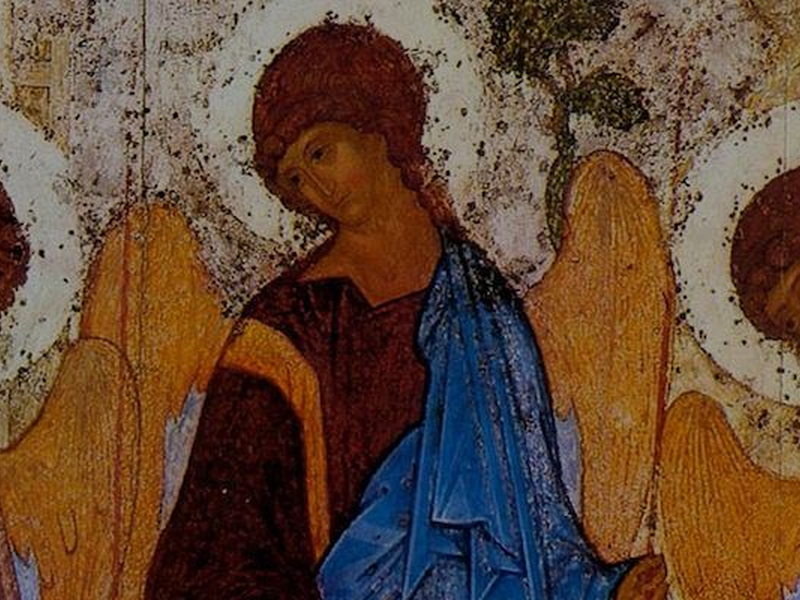
trinity-1-2
Trinity

Are the Divine Persons Persons?

The “personalist” understanding of the Trinity, articulated most influentially in the work of John Zizioulas, has fallen on hard times. Recent scholars have attacked Zizioulas’s idea that Cappadocian Trinitarianism represented an ontological revolution, hammering on the distinction between divine and human personhood. Michel Barnes’s conclusion is the most drastic of…

by Peter LeithartJune 16, 2016
img_4660-2
Architecture

On Biblical Theology

Biblical Theology is often defined as the historical unfolding of God’s revelation, or of God’s revelation and of the history of his covenantal redemption and transformation of humanity and the world. In practice, Biblical Theology is usually broader than this, and also includes the study of literary structure and of…

by James B. JordanJune 14, 2016
laughing_statue_by_xxbobbiie-d5f0meh-2
Humor

Wise Laughter

We are made to be happy. Created to enter into the eternal joy of God, our whole being inclines to that end, but the fallen world has put forth barriers and by our own sin we bar ourselves from that endless delight, and death blinds us to that reality. Yet…

by Remy WilkinsJune 7, 2016
img_7664
Liturgy

Why Theopolis? Take Two

At the end of Revelation, John sees the heavenly city descending to earth. The city shines with the brilliance of God's glory, which lightens the nations, so that kings bring their glory to the city. This is not a vision of the final new heaven and new earth. It's a…

by Peter LeithartJune 2, 2016
trinity-1-2
Attributes of God

How Can We Talk About God?

“No one has ever seen God,” writes John (John 1:18). If this is the case, then how can we speak about God? Some people say we actually cannot. Or at least we cannot speak about God positively, i.e. who He is. We can only say who or what God is…

by Bogumil JarmulakMay 31, 2016

Showing page 130 of 309

See all
See all

Canon and Church

Do Protestants concede infallibility to the church when we affirm the canon of Scripture? Some Catholics argue so: The church created the canon, and so when we accept the canon we are implicitly accepting the church's infallible decision-making power. It's inconsistent to accept the canon, and then go off with…

September 8, 2017

Burdens

Trace the development of the Hebrew massa' ("burden") through the Bible. In Torah, it refers to the physical labor of the Levites, carrying the furniture of the tabernacle and especially the ark. In Chronicles, it refers to the Levitical "burden" of singing (1 Chronicles 15:22, 27). They no longer carry…

September 8, 2017

Music of the Spirit

Creation has a musical quality both in its origin and in its very nature. Genesis 1 sets out a melody: The act of creation is musical, a patterned, recurring sequence of speech acts. As product of God's creating activity, creation is also melodic, rhythmic, musical. Creation is not a fixed…

September 7, 2017

Remembering Jenson

A few items from the archives about Lutheran theologian Robert W. Jenson, who died earlier this week . Here’s my best effort to summarize Robert Jenson’s take on God-and-time, written with faux-Jensonesque pithiness. Is God eternally and infinitely the eternal and infinite God that He is? Of course. He’s God.…

September 6, 2017

David, Jonathan, Jacob

The following is an excerpt from my commentary on 1-2 Samuel, A Son To Me . Saul was rejected from being king before the battle of Michmash (1 Samuel 13-14), but a replacement was immediately introduced, his son Jonathan. Just as Eli was replaced by his “son” Samuel and just…

September 6, 2017

Abram's Election

Genesis never says that Yahweh "chose" Abram. In some English translations, Genesis 18:19 speaks directly of Abram's election, but the Hebrew verb is yada’ , “know.” Nehemiah 9:7, though, does use "chose" with reference to Abram, the one "chosen" and therefore "brought out" from Ur and given the name Abraham.…

September 5, 2017

Showing page 147 of 2212

Browse by Category

In Medias Res

Your weekly digest for all things Theopolis.

Donate

Theopolis is nearly 100% donor-supported. Consider joining us on our mission.