Theopolis Logo

Writing

Explore our collection of theological essays, biblical studies, and reflections on faith and culture.

See all
vantil-teaching
Deuteronomy

Torah as Testimony (Part 2)

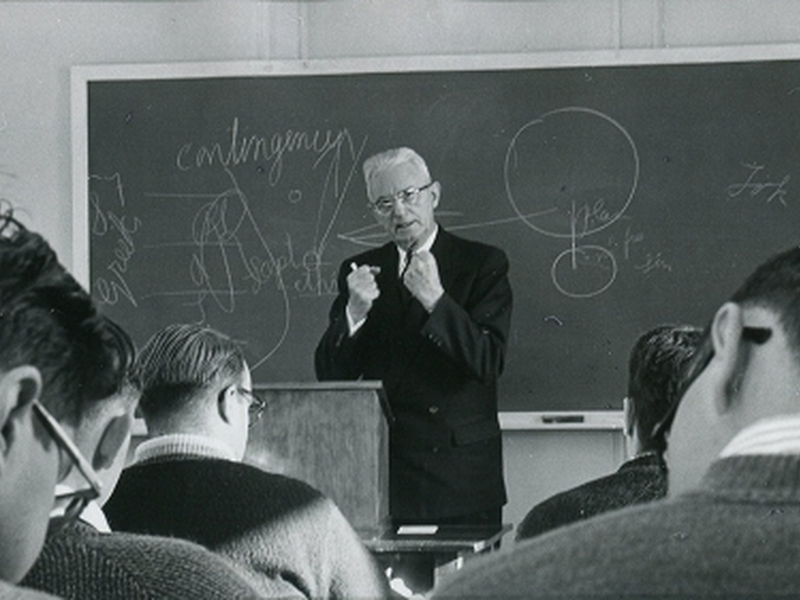
Cornelius Van Til offered a revolutionary exposition of the Christian worldview through the lens of Reformed theology. He argued and, I believe demonstrated, that Biblical metaphysics, epistemology, and ethics mutually presuppose and include one another. Every ethical statement of the Bible — commands about righteousness — presuppose the existence and…

by Ralph Allan SmithJune 21, 2022

tanner-mardis-xuxghzhibn4-unsplash-1-2
Deuteronomy

Torah as Testimony (Part 1)

In the introductory portion of Deuteronomy, Moses’ last sermons to the people of Israel — people that he regarded as his own beloved children — there is a statement that may seem paradoxical to a modern reader. It invites questions and maybe even creates problems in our understanding. Here are…

by Ralph Allan SmithJune 14, 2022
mtmoriahnv
Biblical Studies

The View from Gerar: Looking Back to Moriah (and Forward to Sinai)

In his discussion of the biblical type scene, Robert Alter speaks of the “patterns of repetition, symmetry, [and] contrast” which characterize the narratives of Scripture, patterns that give pleasure to the reader while also building up a web of meaningful connections between texts. 1 But if readers are to notice…

by Josh JensenJune 7, 2022
v4mkpbd70x7bkvc7mqvu
Genesis

Did Eve Ruin Female Ordination?

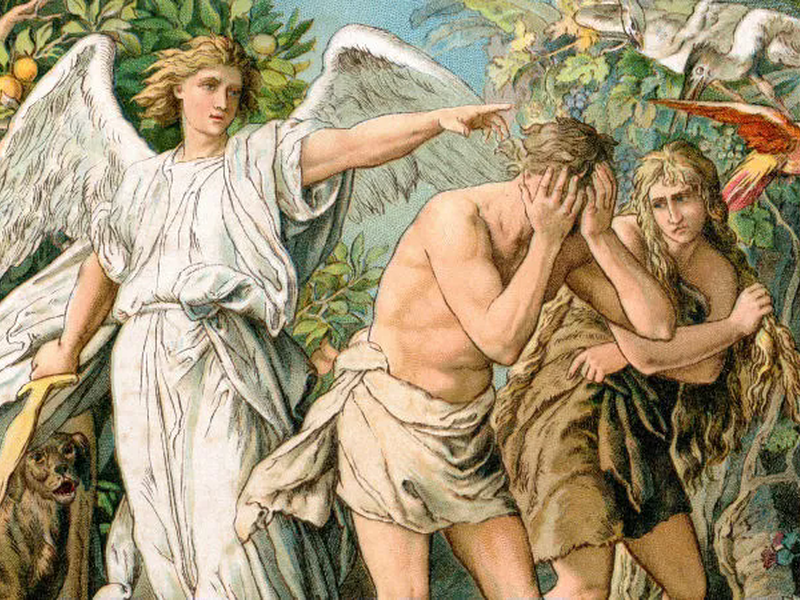
In 1 Timothy 2, Paul writes: “I do not permit a woman to teach or to have authority over a man, but to be in silence. For Adam was formed first, then Eve. And Adam was not deceived, but the woman being deceived, fell into transgression” (1 Timothy 2:12-14). This…

by Adam McIntoshMay 31, 2022
helena-lopes-rotyxo1m0wo-unsplash
Matthew

Warhorse Meek

Blessed are the meek: for they shall inherit the earth. Matthew 5:5 When the above verse is read during a Lord’s Day service, no doubt, every extrovert in the room thinks to himself, “Well, that rules out me.” After all, the meek folks in the room are the ones you…

by Garrett SoucyMay 24, 2022
nathan-dumlao-5bb_atdt4oa-unsplash-2
Biblical Studies

Earth and Fire

The flames of the altar tell a mysterious story beyond mere atonement. The altar was a place of union, glory, worship, love and forgiveness, laughter and tears, renewal and hope. The altar is where Israel would feast with God, sacrifice to God, worship God, confess, and receive forgiveness from God.…

by Kyle LammottMay 23, 2022

Showing page 43 of 309

See all
See all
Theology

Abraham

Kant viewed Judaism as a narrow, particular, hostile political entity. The fact that God promised that He would bless the nations through Abraham seems not to have registered with Kant. Kant’s treatment of Judaism has central importance in his construction of modern, Enlightened religion. And in this context, recent work…

September 12, 2007
Philosophy

Kant’s eschatology

Postmodernism is rigorous disbelief in eschatology, in final judgment. And this arises from and is a reaction to Kant, who (as Hamann recognized) believed he had somehow arrived at the eschaton ahead of schedule and spend his life sending back reports.

September 12, 2007
Theology

Barth on post-Kantian Theology

Barth’s includes an extensive treatment of Kant in his history of 19th century Protestant theology. According to Barth, Kant represents the 18th-century’s coming to self-consciousness. He saw both the possibilities and the limits of the Enlightenment’s obsessions with reason. He announces that his age is the age of criticism, but…

September 12, 2007

Kant’s impossible atonement

Nicholas Wolterstorff analyzes the “conundrum” of atonement in Kant’s treatment of rational religion. We need to be forgiven for the evil we’ve done, and we are incapable of doing this ourselves. God has to do it. Yet, Kant assumes a radical form of autonomy, which makes our moral value depend…

September 11, 2007

Showing page 1631 of 2212

Browse by Category

In Medias Res

Your weekly digest for all things Theopolis.

Donate

Theopolis is nearly 100% donor-supported. Consider joining us on our mission.