Theopolis Logo

Writing

Explore our collection of theological essays, biblical studies, and reflections on faith and culture.

See all
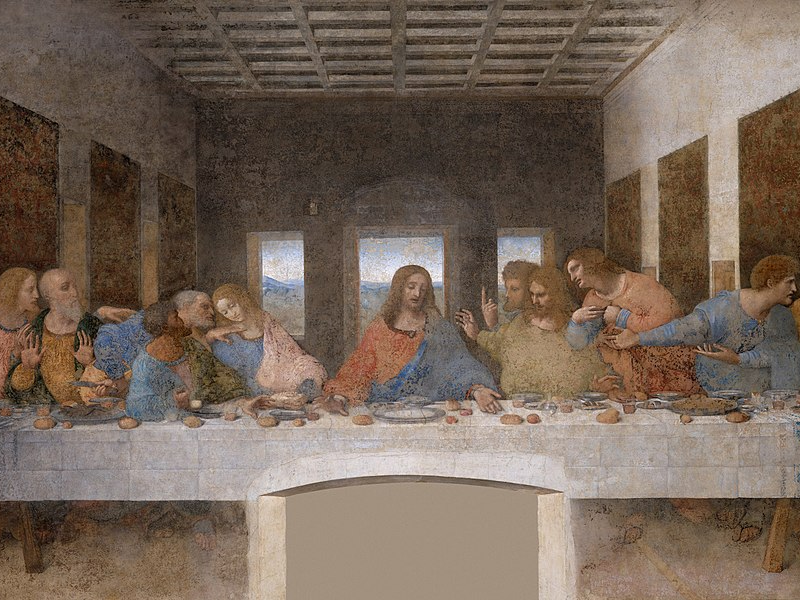
the_last_supper_-_leonardo_da_vinci_-_high_resolution_32x16-2
Biblical Horizons

Was the Last Supper a Passover?

Some readers of my essay, “ Strange and Glorious New Rites ,” have written to object that I have strained a gnat and swallowed a camel. I have strained out the gnat of a possible link to the memorial bread of the minchah (Lev. 2), while overlooking the camel that…

by James B. JordanMarch 22, 2011

screenshot-2023-09-19-at-10-48-12-am
Biblical Horizons

Planetary Judgments

In his lectures on Comparative Religion, Eugen Rosenstock-Huessy points to five fundamental gods that were over ancient man and still can dominate us today, and which must be respected. When we sin, we respect these gods more than we respect the Creator, disobeying the First Word: “You will have no…

by James B. JordanMarch 22, 2011

timothy-eberly-djj49s6ud2o-unsplash
Biblical Studies

Notes on the Book of Judges

A. Israel’s failure to hold land against the Canaanites. Progressive compromise, leading to judgment. 1:1–2:5. B. Israel’s idolatry, the cycle of judges, and war as God’s chastisement. 2:6–3:6. C. Northern Gentiles (Mesopotamia), and Othniel. 3:7-11. D. Lot: Moab, and Ehud. 3:12-13. E. Minor judge: Shamgar. 3:31. F. Canaanites opposed. Women…

by James B. JordanMarch 21, 2011
briana-tozour-mrfapsuyy8a-unsplash
Biblical Horizons

Principalities and Powers, (Part 2)

The great question for the emerging East, for Asia and other awakening third world areas, for an emerging nation like China is, “what fate awaits them?” They are now emerging from an analogous paganism that the West emerged from centuries ago. Here an amazing quotation from David Aikman, the Time…

by Richard BledsoeMarch 15, 2011
sinitta-leunen-dvibhmzsy8e-unsplash
Colossians

The Principalities and Powers, Part I

Paul contends that with the death of Christ on the Cross, there was an overcoming of the Principalities and the Powers (Col. 2:15). A great deal has been written on this subject over the last 60 years. What was for a long time either ignored, or regarded by liberal scholars…

by Richard BledsoeMarch 10, 2011
jimpreaching
Biblical Horizons

Eating and Drinking Together

One of the odd customs that has arisen in the 20th century is that many evangelical churches warp the rites of the Lord’s Supper by insisting that everyone wait so that they eat and drink together. Supposedly this is to emphasize the unity of the Church. This practice has no…

by James B. JordanMarch 3, 2011

Showing page 205 of 309

See all
See all
Theology

Sade and the cross

Notoriously, the Marquis de Sade stole some consecrated wafers, pushed them into a prostitute’s vagina, and had sex, saying, “Avenge yourself, if you are God.” He meant this as blasphemy, and it is. But his blasphemy only shows just how insurmountable Jesus is. Sade thought himself innovative, but he only…

January 19, 2007

Holes

Individualism treats us as splendidly isolated beings, our real selves fountains of ideas and desires but impenetrable to anything from the outside. How ever did we get this idea? By ignoring the body. If the body is at all a clue to the secret of human life, it shows us…

January 18, 2007
History

Tribalism

To grasp what Rosenstock-Huessy says about tribalism, we need to recognize that he sees the tribe as one moment in the development of ancient civilization. In The Fruit of Lips, he describes the origin of the tribe: “The ancient cycle began in the primitive tribe, among a little group of…

January 18, 2007
Economics

Marxism

In his chapter on the Bolshevik Revolution, Rosenstock-Huessy spends a number of pages digressing about Marx and Marxism. The following notes summarize his treatment of Marxism. Marx, Rosenstock-Huessy begins, is the culmination of the protest against the “order of things” from within Western civilization itself. Marx is biographically well-positioned for…

January 18, 2007
Philosophy

Farewell to Descartes

Rosenstock-Huessy’s brief essay on Descartes (included in I Am An Impure Thinker, extracted from Out of Revolution) highlights a number of recurring themes in Rosenstock-Huessy’s work: He discusses his own formula, Respondeo etsi mutabor, in contrast to the cogito of Descartes; he attacks the abstractions of science and modern thought;…

January 18, 2007

Unbearable burden of Evangelicalism

Anti-sacramental, anti-ritual evangelicalism emphasizes a personal relationship with God, but tends to encourage what Anthony Giddens calls “pure relationship,” a relationship that is not tacked down with external anchors and supports. A live-in relationship, without benefit of the rites and legalities of marriage, is a pure relationship. Evangelicalism tends to…

January 18, 2007

Showing page 1733 of 2212

Browse by Category

In Medias Res

Your weekly digest for all things Theopolis.

Donate

Theopolis is nearly 100% donor-supported. Consider joining us on our mission.