Theopolis Logo

Writing

Explore our collection of theological essays, biblical studies, and reflections on faith and culture.

See all
308750rgsdl
Biblical Theology

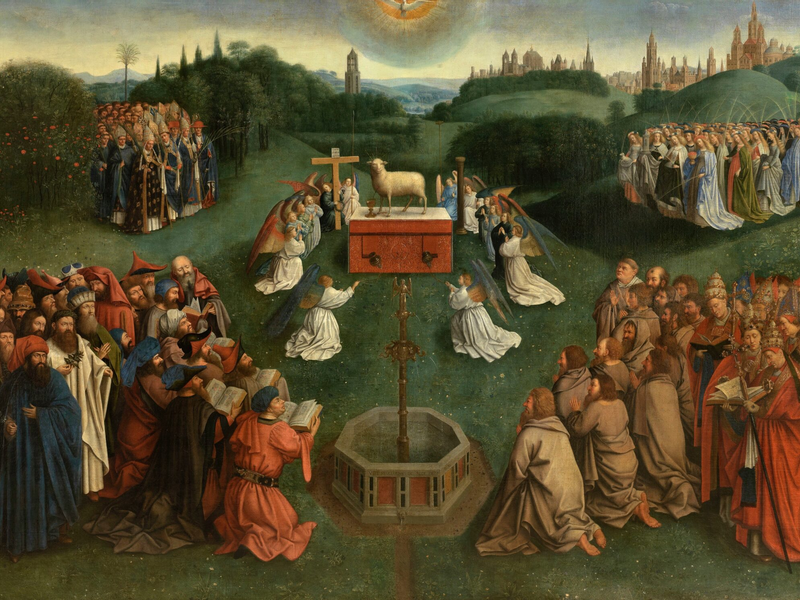
Biblical Bestiary and Covenant Creatures, Part 3: Reunion of Man and Beast in Christ

Abbreviated Introduction to the Series Scripture is absolutely dripping with animal metaphors. Animal traits, characteristics, and appearances are attributed to God, Man, Angels, Nations, Armies. Since animals are the lowest creature in the three-tiered hierarchy, they are useful to metaphorically focus on a single aspect of God (bold like a…

by Jonathan WhiteOctober 27, 2025
screenshot-2025-10-21-at-2-22-31-pm
Matthew

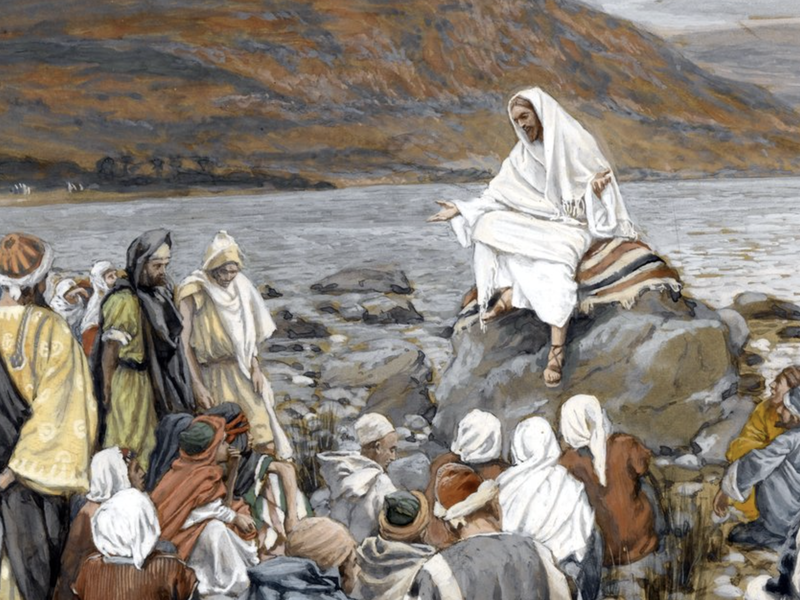
Authority that Heals: Unpacking Matthew 4:18 – 10:4

Many years ago, while perusing Janice Anderson’s revised doctoral dissertation, Matthew’s Narrative Web: Over, and Over, and Over again , I was impressed by her attention to literary structures of repetition within and across Matthew’s Gospel. 1 Her research, in part, nudged me closer toward my present conviction that Matthew…

by Jonathan SedlakOctober 21, 2025
screenshot-2025-10-20-at-4-47-19-pm
Biblical Theology

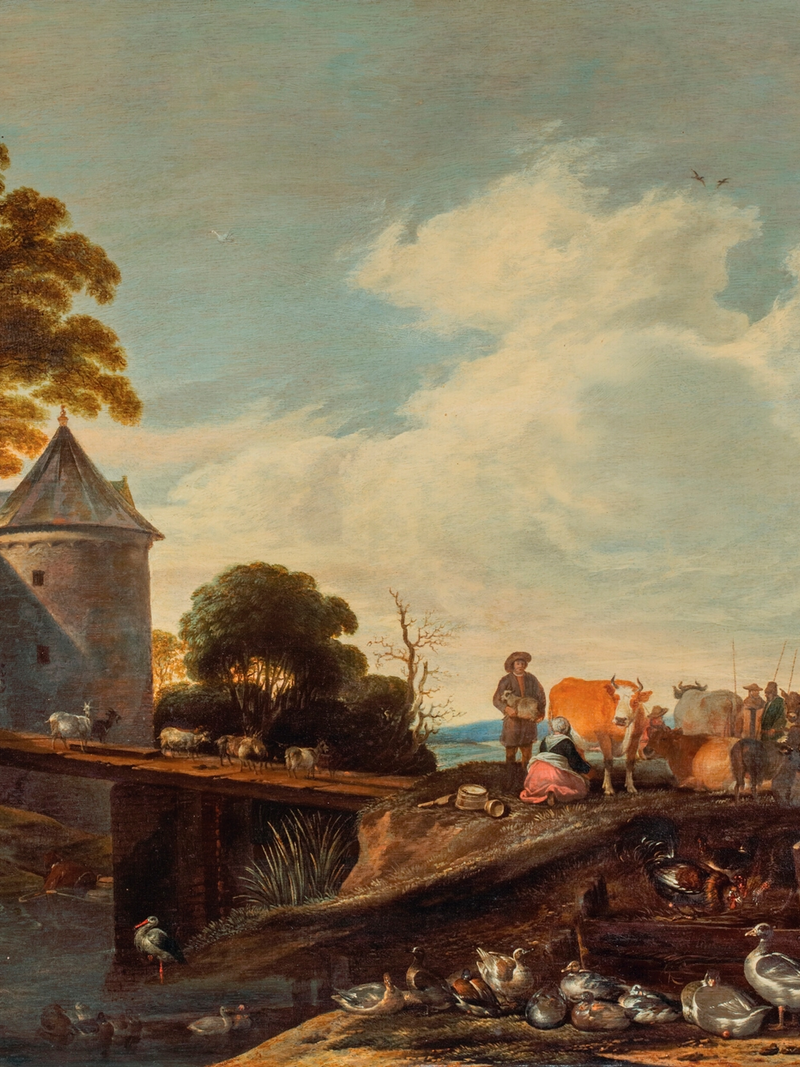
Biblical Bestiary and Covenant Creatures, Part 2: The Animalistic Dehumanization of Sin

Abbreviated Introduction to the Series Scripture is absolutely dripping with animal metaphors. Animal traits, characteristics, and appearances are attributed to God, Man, Angels, Nations, Armies. Since animals are the lowest creature in the three-tiered hierarchy, they are useful to metaphorically focus on a single aspect of God (bold like a…

by Jonathan WhiteOctober 20, 2025
screen-shot-2025-10-14-at-7-34-36-am
Song of Songs

Like a Lily Among Thorns: Hailing the Suffering Christ in Canticles

“Like a lily among the thorns, so is my love among the maidens… My beloved is mine and I am his; he pastures among the lilies.” Song 2:2, 16 In chapter two of the Song of Solomon, the Beloved compares his Love to a lily among thorns. The language of…

by Mark BriansOctober 14, 2025
eric-welch-xuch5jnrfig-unsplash
Biblical Theology

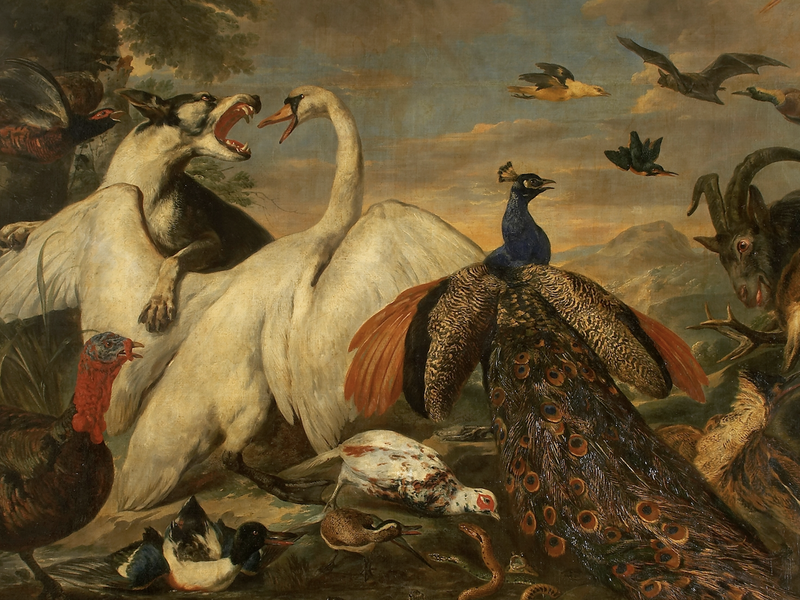
Biblical Bestiary and Covenant Creatures, Part 1: The Shared Spirit of Men and Beasts

Introduction From the very beginning, angels and animals have played mediating roles between God and Man. Just as the World was made three-tiered (Heaven, Earth, Deep), so the creatures were made (Angels, Men, Animals). Before Christ came to build the permanent bridge across the chasm between God and Man, various…

by Jonathan WhiteOctober 13, 2025
getty-images-nim1o1t51qq-unsplash
Matthew

Parables of Land and Sea in Matthew 13

Matthew 13, the third major discourse of the apostle’s gospel, is comprised almost entirely of parables. While it may seem that all the parables serve the same purpose in fulfilling the prophet Isaiah (Matthew 13:14), the parables found in verses 44–52, at the very least, function outside that purpose. This…

by David TownsendOctober 9, 2025
See all
See all

Times

Choon-Leong Seow has some helpful comments about the “time for this, time for that” poem in Ecclesiastes 3. He points out that the thrust of the section is about God’s control of times and portions. As evidence, he notes that the word “season” us normally used “of predetermined or appointed…

January 7, 2006
Philosophy

Objectivity and incarnation

In his early work on Husserl’s treatise on the origins of geometry, Derrida highlights the critical insight that the objectivity and universality of geometric axioms depends, paradoxically, on their embodiment in writing. On the one hand, geometry is “there for ‘everyone.’” Yet, “how does geometrical ideality (just like that of…

January 7, 2006
Philosophy

The Hebraism of Postmodernism

Postmodernism, as I’ve indicated in previous posts, is many things, some of which are quite inimical to Christian faith. But in important respects, postmodernism - especially the thought of Derrida - is a Hebraic protest against Hellenized philosophy. In his fine recent book on Derrida, James KA Smith suggests that…

January 7, 2006
History

Paradox of Community

Bauman suggests that postmodernity, which is the “age of contingency fur sich,” is also the age of community. Yet, the communities that are possible within postmodern culture are inherently unstable; they are “clouds of communities”: “Such communities will never be anything like Tonnies’s cosy and unreflective (cosy because unreflective) homes…

January 6, 2006
Philosophy

Skepticism

The arguments in favor of skepticism were summarized by Aenesidemus in the first century B.C. in his Pyrrhonian Principles . Aenesidemus brought together the arguments under “ten modes” or “ten tropes,” helpfully summarized at http://plato.stanford.edu/entries/skepticism-ancient/#LPA as they were stated by Sextus Empricus. The ten modes are reproduced below. (Mates refers…

January 6, 2006

Quenching Spirit

Reflecting further on the pastoral applications of Solomon’s phrase “shepherding wind”: Every believer is born of the Spirit, and blows where he wills, and a pastor is in the business of shepherding wind. In this context, “quenching the Spirit” might refer to poor shepherding that tries to suppress the wind.…

January 6, 2006

Showing page 1902 of 2212

Browse by Category

In Medias Res

Your weekly digest for all things Theopolis.

Donate

Theopolis is nearly 100% donor-supported. Consider joining us on our mission.