
Theopolis Logo

Writing

Explore our collection of theological essays, biblical studies, and reflections on faith and culture.

See all
cloister

Gatekeepers

1 Chronicles 9:1 seems to bring the genealogies of 1 Chronicles to an end. The Chronicler has recorded the genealogy of the human race from Adam, focusing on the descendants of Abraham through Jacob. Summing it all up, he says, “So all Israel was enrolled by genealogies; and behold, they…

by Peter LeithartJune 21, 2016
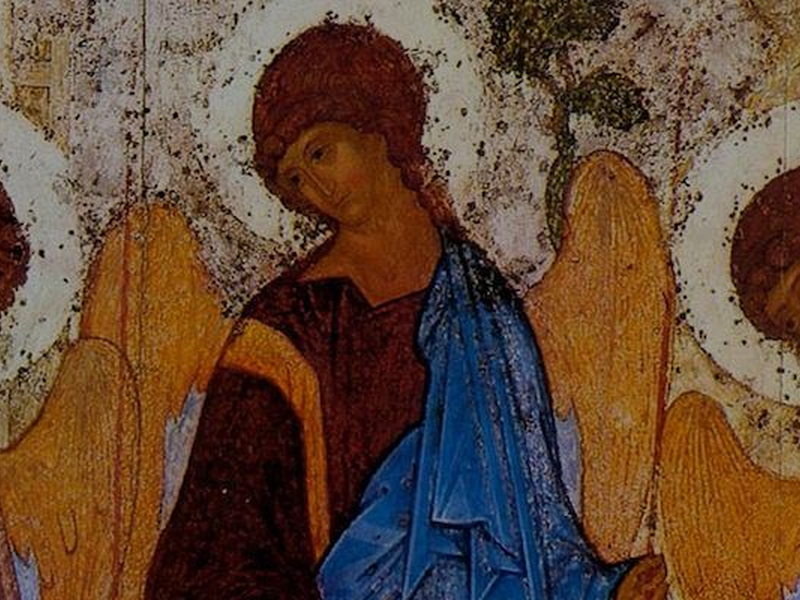
trinity-1-2
Trinity

Are the Divine Persons Persons?

The “personalist” understanding of the Trinity, articulated most influentially in the work of John Zizioulas, has fallen on hard times. Recent scholars have attacked Zizioulas’s idea that Cappadocian Trinitarianism represented an ontological revolution, hammering on the distinction between divine and human personhood. Michel Barnes’s conclusion is the most drastic of…

by Peter LeithartJune 16, 2016
img_4660-2
Architecture

On Biblical Theology

Biblical Theology is often defined as the historical unfolding of God’s revelation, or of God’s revelation and of the history of his covenantal redemption and transformation of humanity and the world. In practice, Biblical Theology is usually broader than this, and also includes the study of literary structure and of…

by James B. JordanJune 14, 2016
laughing_statue_by_xxbobbiie-d5f0meh-2
Humor

Wise Laughter

We are made to be happy. Created to enter into the eternal joy of God, our whole being inclines to that end, but the fallen world has put forth barriers and by our own sin we bar ourselves from that endless delight, and death blinds us to that reality. Yet…

by Remy WilkinsJune 7, 2016
img_7664
Liturgy

Why Theopolis? Take Two

At the end of Revelation, John sees the heavenly city descending to earth. The city shines with the brilliance of God's glory, which lightens the nations, so that kings bring their glory to the city. This is not a vision of the final new heaven and new earth. It's a…

by Peter LeithartJune 2, 2016
trinity-1-2
Attributes of God

How Can We Talk About God?

“No one has ever seen God,” writes John (John 1:18). If this is the case, then how can we speak about God? Some people say we actually cannot. Or at least we cannot speak about God positively, i.e. who He is. We can only say who or what God is…

by Bogumil JarmulakMay 31, 2016

Showing page 130 of 309

See all
See all

Faithfulness to Israel

Through much of Kings, the parallel of North and South has been deigned to emphasize the South’s apostasy. When the South becomes a mirror-image of the idolatrous North, it’s a sign of Judah’s doom. Here, the mirroring goes the other way: Yahweh’s faithfulness to David’s house is reflected in His…

July 13, 2005
Literature

Antony and Aeneas

Shakespeare’s Antony is an Aeneas who refuses to act piously by leaving his Dido and moving on to found Rome. Hence, in pursuit of Cleopatra he leaves Empire to Octavius, and Aeneas is split between the two of them. But Antony is also an Aeneas who will never be separated…

July 13, 2005

Perpetual War

According to Deuteronomy 20, any man who had built a house, planted a vineyard, or married a wife without enjoying their benefits and joys was excused from military service. While it was certainly possible for a 20-year-old Israelite to be unmarried and propertyless, it would seem that the military was…

July 12, 2005

Of Kline and Kings

In his book on the Deuteronomistic history, Terence Fretheim notes the marked differences between God’s dealings with Israel and the expectations suggested by suzereignty treaties: “the historian makes it abundantly clear that God is not bound to react to the people in some schematic or univocal fashion. The relationship between…

July 12, 2005

From Former Prophets to Deuteronomistic History

Here’s a PhD thesis: What is going on, philosophically and theologically, in the transition from viewing Joshua-2 Kings as Former Prophets (Jewish tradition) to seeing them as Historical Books (evangelical) to seeing them as Deuteronomistic History (contemporary academic consensus). There’s a story to unpack there similar to the story that…

July 12, 2005

Parabolic history

Jesus comes telling parables, so that seeing they might not see and hearing they might not understand. Yahweh does the same in Kings; He tells and enacts parables that are understood only by those who have received the wisdom that comes from God. It is, as with Jesus and Paul,…

July 12, 2005

Showing page 1963 of 2212

Browse by Category

In Medias Res

Your weekly digest for all things Theopolis.

Donate

Theopolis is nearly 100% donor-supported. Consider joining us on our mission.