Theopolis Logo

Writing

Explore our collection of theological essays, biblical studies, and reflections on faith and culture.

See all
cloister

Gatekeepers

1 Chronicles 9:1 seems to bring the genealogies of 1 Chronicles to an end. The Chronicler has recorded the genealogy of the human race from Adam, focusing on the descendants of Abraham through Jacob. Summing it all up, he says, “So all Israel was enrolled by genealogies; and behold, they…

by Peter LeithartJune 21, 2016
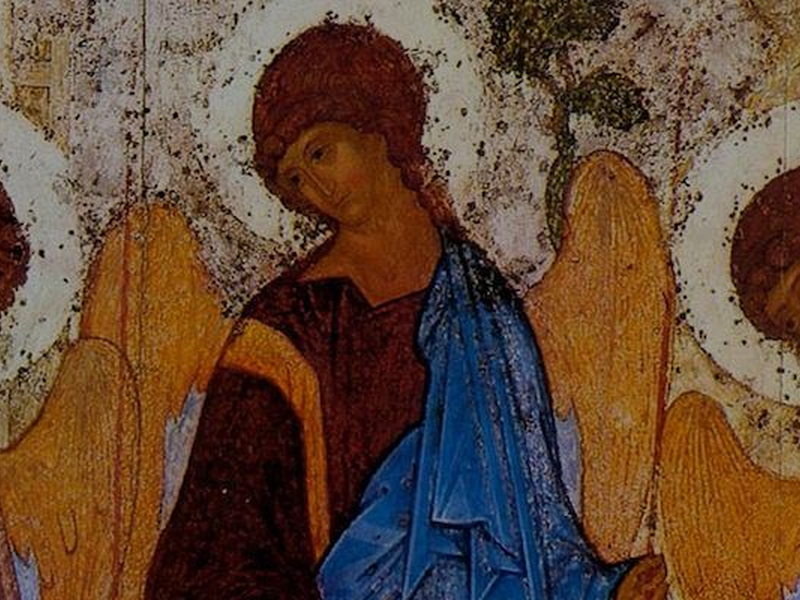
trinity-1-2
Trinity

Are the Divine Persons Persons?

The “personalist” understanding of the Trinity, articulated most influentially in the work of John Zizioulas, has fallen on hard times. Recent scholars have attacked Zizioulas’s idea that Cappadocian Trinitarianism represented an ontological revolution, hammering on the distinction between divine and human personhood. Michel Barnes’s conclusion is the most drastic of…

by Peter LeithartJune 16, 2016
img_4660-2
Architecture

On Biblical Theology

Biblical Theology is often defined as the historical unfolding of God’s revelation, or of God’s revelation and of the history of his covenantal redemption and transformation of humanity and the world. In practice, Biblical Theology is usually broader than this, and also includes the study of literary structure and of…

by James B. JordanJune 14, 2016
laughing_statue_by_xxbobbiie-d5f0meh-2
Humor

Wise Laughter

We are made to be happy. Created to enter into the eternal joy of God, our whole being inclines to that end, but the fallen world has put forth barriers and by our own sin we bar ourselves from that endless delight, and death blinds us to that reality. Yet…

by Remy WilkinsJune 7, 2016
img_7664
Liturgy

Why Theopolis? Take Two

At the end of Revelation, John sees the heavenly city descending to earth. The city shines with the brilliance of God's glory, which lightens the nations, so that kings bring their glory to the city. This is not a vision of the final new heaven and new earth. It's a…

by Peter LeithartJune 2, 2016
trinity-1-2
Attributes of God

How Can We Talk About God?

“No one has ever seen God,” writes John (John 1:18). If this is the case, then how can we speak about God? Some people say we actually cannot. Or at least we cannot speak about God positively, i.e. who He is. We can only say who or what God is…

by Bogumil JarmulakMay 31, 2016

Showing page 130 of 309

See all
See all

Baptism meditation, May 1

Why do we baptize babies? This seems to many Christians, especially in America, like a strange tradition, a leftover of the formalism and nominal Christianity of the medieval Roman Catholic church. And even to many of us who believe we should baptize our babies, it seems like a somewhat extraneous…

May 1, 2005

Exhortation, May 1

Suppose I told you that Trinity Reformed Church had been asked to perform a choir concert this morning? Would you be prepared? Or would it be like one of those dreams where you find yourself taking a test without studying, or realizing suddenly that you?ve arrived at church in your…

May 1, 2005

Romans 8, continued

CONTRASTING MINDSETS, Romans 8:5-13 Paul has announced that through the work of Father, Son and Spirit, we who are in Christ have been set free from Sin and Death, and are now capable of keeping the requirement of the Law. Torah aimed at giving life; but that purpose cannot not…

April 30, 2005

Salome Factor

In the Spring issue of the American Scholar, William Deresiewicz discusses the sexualization of dance during the twelve years he write dance criticism for various publications: “For one thing, dancers have been wearing less and less. Sometimes they don’t wear anythng at all, though this nudity or semi-nudity almost never…

April 30, 2005

Aquinas on justification

Notes on Thomas Aquinas on The Effects of Grace, ST I-II, q. 113. 1) Article 1: Justification of the ungodly consists in the remission of sins, Aquinas argues, over against the claim that justification must involve some movement toward justice and that the remission of sins is not a movement.…

April 28, 2005

Augustine on Spirit and Letter

Some notes on Augustine?s Treatise on the Spirit and the Letter . 1) Augustine treats ?letter?Ein 2 Corinthians as a reference to the law itself, which kills. The law kills, however, in the absence of the Spirit: ?the letter of the law, which teaches us not to commit sin, kills,…

April 28, 2005

Showing page 1986 of 2212

Browse by Category

In Medias Res

Your weekly digest for all things Theopolis.

Donate

Theopolis is nearly 100% donor-supported. Consider joining us on our mission.