Theopolis Logo

Writing

Explore our collection of theological essays, biblical studies, and reflections on faith and culture.

See all
cloister

Gatekeepers

1 Chronicles 9:1 seems to bring the genealogies of 1 Chronicles to an end. The Chronicler has recorded the genealogy of the human race from Adam, focusing on the descendants of Abraham through Jacob. Summing it all up, he says, “So all Israel was enrolled by genealogies; and behold, they…

by Peter LeithartJune 21, 2016
trinity-1-2
Trinity

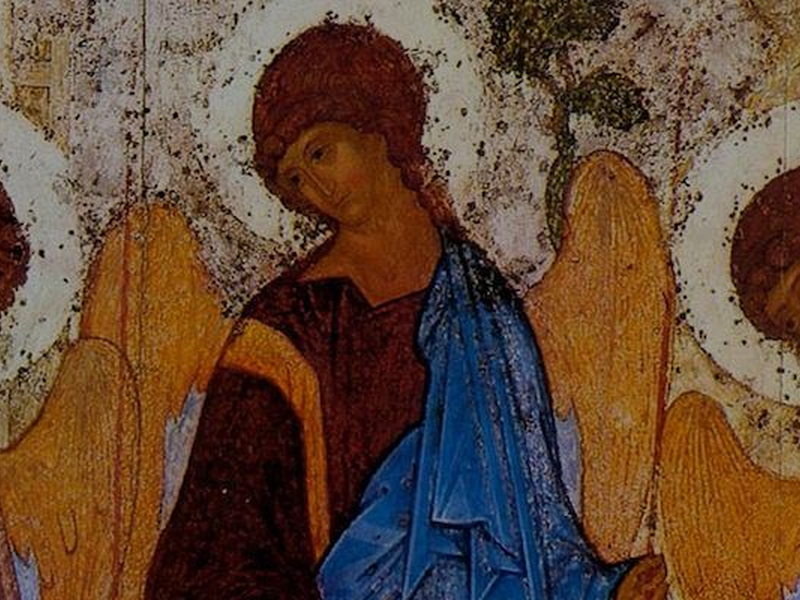
Are the Divine Persons Persons?

The “personalist” understanding of the Trinity, articulated most influentially in the work of John Zizioulas, has fallen on hard times. Recent scholars have attacked Zizioulas’s idea that Cappadocian Trinitarianism represented an ontological revolution, hammering on the distinction between divine and human personhood. Michel Barnes’s conclusion is the most drastic of…

by Peter LeithartJune 16, 2016
img_4660-2
Architecture

On Biblical Theology

Biblical Theology is often defined as the historical unfolding of God’s revelation, or of God’s revelation and of the history of his covenantal redemption and transformation of humanity and the world. In practice, Biblical Theology is usually broader than this, and also includes the study of literary structure and of…

by James B. JordanJune 14, 2016
laughing_statue_by_xxbobbiie-d5f0meh-2
Humor

Wise Laughter

We are made to be happy. Created to enter into the eternal joy of God, our whole being inclines to that end, but the fallen world has put forth barriers and by our own sin we bar ourselves from that endless delight, and death blinds us to that reality. Yet…

by Remy WilkinsJune 7, 2016
img_7664
Liturgy

Why Theopolis? Take Two

At the end of Revelation, John sees the heavenly city descending to earth. The city shines with the brilliance of God's glory, which lightens the nations, so that kings bring their glory to the city. This is not a vision of the final new heaven and new earth. It's a…

by Peter LeithartJune 2, 2016
trinity-1-2
Attributes of God

How Can We Talk About God?

“No one has ever seen God,” writes John (John 1:18). If this is the case, then how can we speak about God? Some people say we actually cannot. Or at least we cannot speak about God positively, i.e. who He is. We can only say who or what God is…

by Bogumil JarmulakMay 31, 2016

Showing page 130 of 309

See all
See all

Living in Illusion

T homas Nagel reviews Daniel Dennett's latest, From Bacteria to Bach and Back , in the NYRB . It's a wild ride. Reality, real reality, is the matter-in-process that science describes, Dennett argues. Dennett is famously, insanely consistent in his materialism. Nagel writes, “Bach’s or Picasso’s creative genius, and our…

March 3, 2017

Chopin - Miniaturist or Master?

C harles Rosen celebrated Chopin's birth in June 2010 with a NYRB essay on the composer. Rosen observed that until the twentieth century, Chopin was often treated as a minor figure: “Chopin’s concentration on the genres of salon music considered trivial—nocturnes, mazurkas, waltzes—placed him among the miniaturists. Critics could not…

March 3, 2017

Sacred/Secular and the Triumph of Lent

I n his history of popular culture in early modern Europe, Peter Burke traces what he describes as the “triumph of Lent” during the 17th and 18th centuries. He refers to Brueghel’s painting, Combat of Carnival and Lent and says, “I am tempted to interpret ‘Carnival,’ who belongs to the…

March 2, 2017

Mind the Gap

W illiam Henry Green's 1890 Bibliotecha Sacra essay on “ Primeval Chronology ” has been a touchstone of evangelical biblical scholarship for over a century, its arguments regularly cited or alluded to by scholars dealing with the genealogies of Genesis 5 and 11. In response to skeptical challenges to the…

March 2, 2017

God's Defenseless Omnipotence

I n his recently-published Sign and Sacrifice , Rowan Williams notes the continuity between the post-Maccabean theology of martyrdom and the death of Jesus. For intertestamental Jews, as for Romans, death could be noble and triumphant. There's a radical discontinuity too. For Jews (as for Romans), martyrs triumphed because they…

March 1, 2017

Plato Among the Poets

H elmut Kuhn begins his 1941 article on “true tragedy” by noting the chronological proximity of Plato and Sophocles: “When Sophocles died, Plato had just come of age. So the question naturally arises whether the chronological succession is historically significant. Can we discover a line of development leading from Aeschylus…

February 28, 2017

Showing page 201 of 2212

Browse by Category

In Medias Res

Your weekly digest for all things Theopolis.

Donate

Theopolis is nearly 100% donor-supported. Consider joining us on our mission.