Theopolis Logo

Writing

Explore our collection of theological essays, biblical studies, and reflections on faith and culture.

See all
sinitta-leunen-dvibhmzsy8e-unsplash
Epistemology

A Cheer for the Mystics

Mystical theologians are often unguarded, extreme, un-nuanced, pressing to the edges of heresy, sometimes beyond. Still, the mystics are worthy of study. Why? Many reasons. Unlike some late medieval and post-Reformation dogmaticians, mystical theologians are often instinctively and richly Trinitarian. Historical-critical approaches to Scripture left mystical theologians virtually untouched; mystics…

by Peter LeithartSeptember 2, 2013
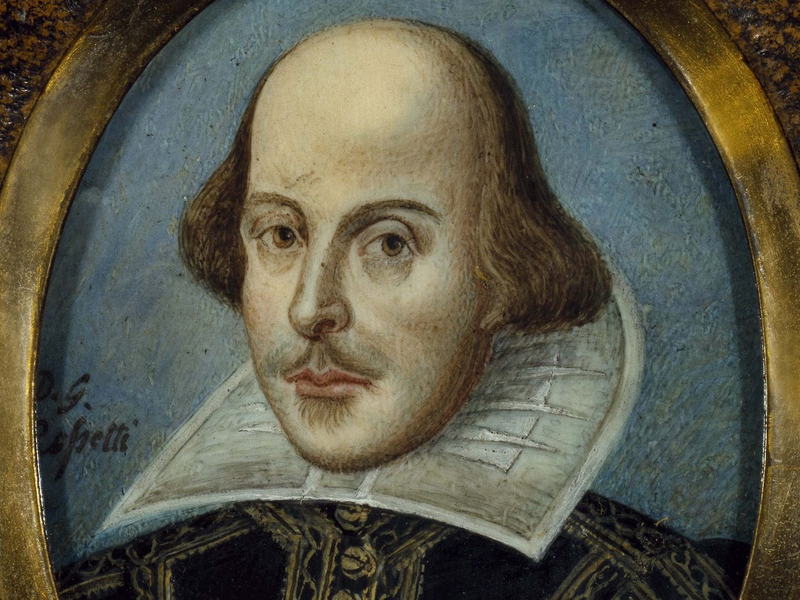
portrait-of-william-shakespeare-1564-1616-ca-1865
Literature

Shadow and Substance in Shakespeare's Venice

Portia of Belmont is a “lady richly left,” as Bassanio says of her in the first Act of The Merchant of Venice . Plus, she’s beautiful and wise. Suitors clamber to Belmont in hope. Her father knew it would be so, and in his will set up a fairy-tale test…

by Peter LeithartAugust 28, 2013
carlo-alberto-burato-smdx3gleu_m-unsplash
Liturgy

Liturgy Traps

[fve]http://vimeo.com/72195198[/fve]

by James B. JordanAugust 26, 2013
screen-shot-2022-05-12-at-12-07-23-pm
Deuteronomy

Victory Food

In the nature of the case, “the” Christian meditation on Deuteronomy 14:1-21 cannot be written. Meditation offers too many possibilities, opens too many doors. There is not one and only one correct set of associations for a Christian to consider when thinking of Deuteronomy 14:1-21. We could, for example, consider…

by Ralph Allan SmithAugust 21, 2013
aaron-burden-1ebsmyrau-s-unsplash
Romans

David's Sin and Israel's Salvation, Part I

Having retold the story of the cumulative sin of Israel leading to the great atonement on the cross, Paul then reemphasizes that, just as both Jew and Gentiles were locked into sin and judgment, now they are both justified by faith: Then what becomes of our boasting? It is excluded.…

by Mark HorneAugust 20, 2013
ben-white-w8qqn1pmqh0-unsplash
Deuteronomy

You are what you eat

Deuteronomy 14 is full of allusions to events of Israel’s history and other portions of Scripture. What would an Israelite learn by mediation on these allusions? The answer, I believe, is at least fourfold. Faith, Worship, War For the ancient Israelite first hearing Moses’ sermon, or perhaps hearing it read…

by Ralph Allan SmithAugust 15, 2013

Showing page 189 of 309

See all
See all

Subsystemic Conflict

I rene Dingel's contribution to Lutheran Ecclesiastical Culture, 1550-1675 examines the role of controversy in the formation of Lutheran theology and practice. She examines several early intra-Lutheran controversies, among them the contest between the Gnesio-Lutherans led by Matthias Flacius and the “Philippists” led by Melanchthon. The former accused the latter…

February 7, 2017

Renewal and Temple Personnel

I n a 1991 article in the Journal of Biblical Literature , John H. Wright asks what role 1 Chronicles 23–27 play in the Chronicler's account. The chapters look like a digression. David delivers an exhortation to Solomon (1 Chronicles 23) and makes him king (23:1), but that is followed…

February 7, 2017

Ecumenism in the Sixteenth Century

D uring the early decades of the Reformation, there were efforts on all sides to reconcile Reformers and Catholics. Diarmaid MacCulloch ( Europe's House Divided ) describes the ecumenical efforts of the Archbishop of Cologne, Hermann von Wied. Von Wied was not a promising candidate to be a reform leader:…

February 6, 2017

Disenchantment and Anthropomorphism

A t the beginning of their Dialectic of Enlightenment , Max Horkheimer and Theodor Adorno define Enlightenment in terms of disenchantment of the world: “Enlightenment’s program was the disenchantment of the world. It wanted to dispel myths, to overthrow fantasy with knowledge. Bacon, ‘the father of experimental philosophy,' brought these…

February 3, 2017
Reformation

Rival Tidinesses

T he Reformation and the Catholic reaction to it caused a massive split within Western Christendom, and further divisions proliferated from that original split. As Diarmaid MacCulloch points out ( Reformation: Europe's House Divided 1490–1700 ), that is only one part of the story: “The Protestant communities, which for a…

February 3, 2017

Crackdown

“T he most influential work of Italian spirituality in these years, the Beneficio di Cristo (published 1543, and apparently selling in tens of thousands before translation into other European languages), illustrates this continuing shapelessness—it was itself a somewhat shapeless work. It was written by a Cassinese Benedictine monk Don Benedetto…

February 3, 2017

Showing page 209 of 2212

Browse by Category

In Medias Res

Your weekly digest for all things Theopolis.

Donate

Theopolis is nearly 100% donor-supported. Consider joining us on our mission.