Theopolis Logo

Writing

Explore our collection of theological essays, biblical studies, and reflections on faith and culture.

See all
e99a9541
Abortion

To Kill or Not to Kill

It seems to be old news, but I was unaware of it until recently. Australian academics argued that mothers should be allowed to terminate the life of a newborn child. [i] Why would they promote such an idea? Because before the child is born it is not always possible to…

by Ralph Allan SmithSeptember 12, 2019
pascal
Philosophy

Is the Betting Rigged in Pascal's Wager?

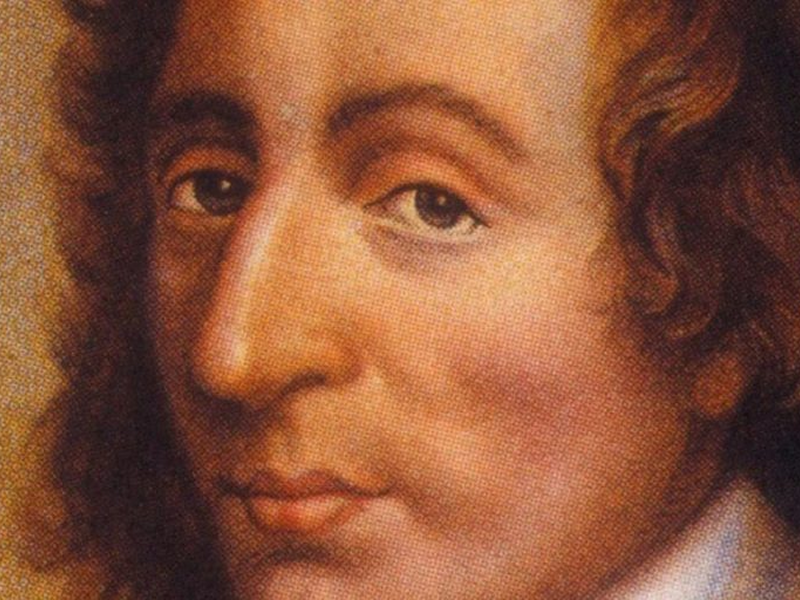
This is the second of two essays introducing Pascal’s Wager. Click HERE for Part 1. In “The Pop Star and the Mathematician” I gave an overview of the apologetic approach commonly called Pascal’s Wager. In that Wager, 17 th -century French mathematician Blaise Pascal argued that the choice between Christian…

by Alexander WhitakerSeptember 10, 2019
pascal
Philosophy

The Mathematician and the Pop Star: A Pascal's Wager Primer

This is the first of two essays aiming to introduce the reader to Pascal’s Wager. The second will address criticisms of the Wager. In the early 1990s, a perennially popular British pop star was interviewed on British television about his very public evangelical Christian faith. “What if,” the reporter asked…

by Alexander WhitakerSeptember 5, 2019
screen-shot-2019-09-03-at-7-00-44-am-2
Matthew

The Secret of the Middle of Matthew

Matthew 13 is about secrets. In this chapter, Jesus teaches eight parables and tells the disciples that they reveal the secrets of the kingdom (13:11). And much like Samson who both tells riddles and is himself a riddle that the reader must solve, so Jesus not only tells secrets but…

by John HigginsSeptember 3, 2019
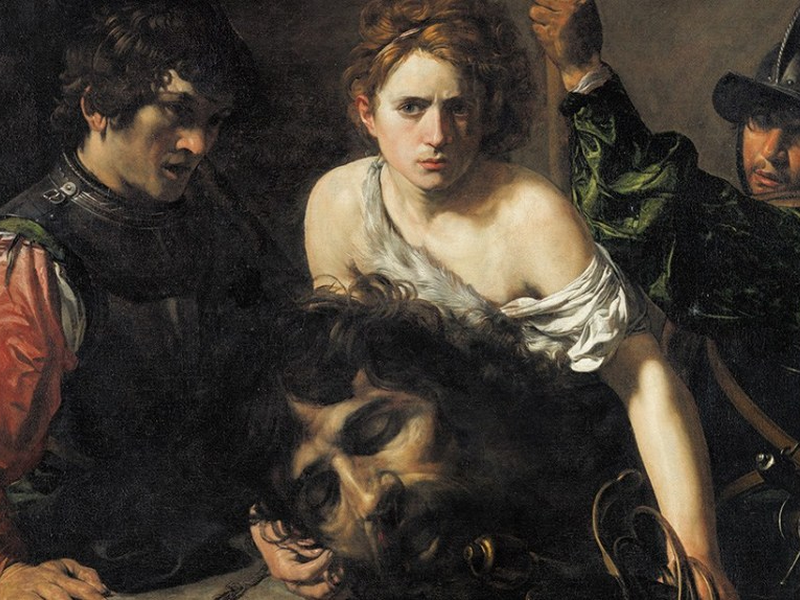
david-with-goliaths-head-and-soldiers-crop
Biblical Theology

David, Goliath, and the Body of Moses, (Part 2)

Click HERE for part One. THE TEXT AS TABERNACLE Creation – Initiation – Genesis (1 Samuel 17:1-11) The gathered armies not only remind the reader of Ebal and Gerizim, but also of the very reason that Israel was established (Creation) , set apart from the other nations by the circumcision…

by Mike BullAugust 29, 2019
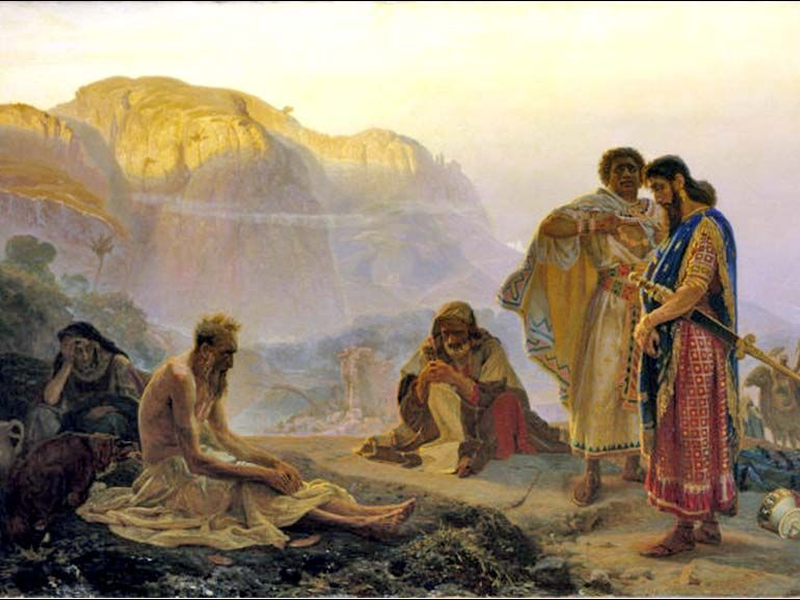
job
Job

The Man in the Middle

What to do with Job’s Final “Friend,” Elihu Elihu is a strange character, at least in the sense of how and where he appears in the book of Job. Why does he not appear with the other three “friends?” Does his argument differ from any of the first three who…

by Eric RobinsonAugust 27, 2019

Showing page 75 of 309

See all
See all
screenshot-2024-07-04-at-8-35-35-am
Ephesians

Chiasm in Ephesians 2:8

In the Greek text of Ephesians 2:8, the statement “and this not of ourselves, it is the gift of God” is chiastically structured. A wooden translation is: “and this not out of ourselves, of God the gift,” with the EX HUMON (“out of ourselves”) chiastically matching the genitive THEOU (“of…

September 19, 2003
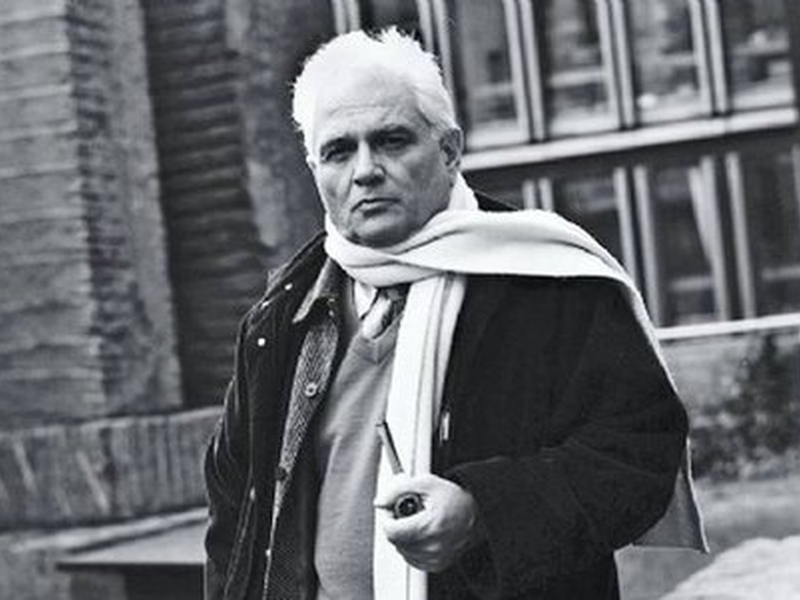
main-qimg-677803682e526eb3d3440054b59433fe-lq
Philosophy

Milbank on Derrida

Here’s a summary of part of Milbank’s critique of Derrida (from Theology and Social Theory , pp. 307-311). Derrida attacks Western metaphysics by focusing on the attempt to separate a “meaning” out from the “play of signs.” In most Western systems, this meaning is associated with an original meaning that…

September 18, 2003
nicki-eliza-schinow-mg3nb1l2kdm-unsplash
Philosophy

A Note Against Empiricism: Derrida

A note against empiricism: Derrida quotes Scheler (in his essay on Levinas, “Violence and Metaphysics”) to this effect: “I see not only the eye of an other, I see also that he looks at me.” That is, what is seen is not only a thing, a dead object, but also…

September 17, 2003
jeremy-thomas-e0ahdsenmdg-unsplash
Philosophy

Levinas on Absolute Other

Levinas claims that an absolute other must necessarily be invisible. If the other is visible, I can at least “capture” and “grasp” and “encompass” him in my gaze, which is the first moment in a sequence that could lead to capturing, grasping, and encompassing and dominating him in other ways.…

September 17, 2003
505017ldsdl
BooksCulture

Yeats on the Classical World

Yeats said that the classical world was fundamentally tragic, with the Oedipus myth as the founding myth — the man kills his father and marries his mother. Yeats would have been better off pointing to the myth of Zeus, for that truly is the founding myth of the Olympian order,…

September 17, 2003
valentino-mazzariello-ndm1hhicwhc-unsplash-2
Philosophy

Progress

In his history of the ancient concept of progress, E. R. Dodds says that one fundamental limitation on the idea of progress was imposed by the theory of Forms, both in Platonic and in the Aristotelian version. For Plato all progress consists in approximation to a pre-existing model; the model…

September 17, 2003

Showing page 2196 of 2212

Browse by Category

In Medias Res

Your weekly digest for all things Theopolis.

Donate

Theopolis is nearly 100% donor-supported. Consider joining us on our mission.