Theopolis Logo

Writing

Explore our collection of theological essays, biblical studies, and reflections on faith and culture.

See all
woman-bw
Grace

Never Be Dismayed

I'm afraid of messing up. Not just of messing up in general, but of messing this up—the big This that is the story that is my life, the story that God is attempting to tell with me as His material. The question casts its shadow over all my decisions. Can…

by Leta SundetOctober 6, 2015
jesus-with-sword
Revelation

Greater Phinehas

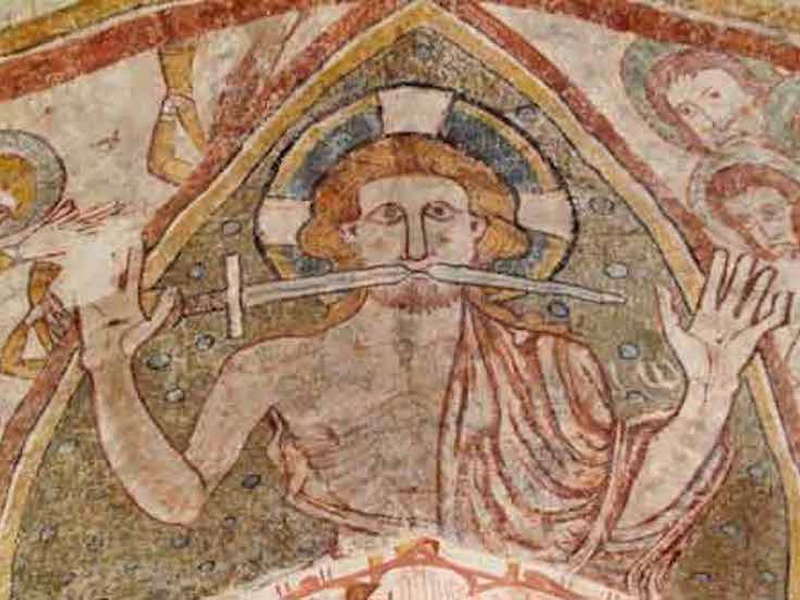
Jesus’ letter to Pergamum mentions Balaam and Balak (Revelation 2:14), and that is a signal that the whole message is running along the lines of Numbers 22-25. The death of the high priest is a sacrificial moment in the life of Israel. According to the rules of the cities of…

by Peter LeithartOctober 1, 2015
marriage
Marriage

The Glory of Self-Giving: A Wedding Homily

As you come to be joined in marriage today, I want to take a moment to focus on one important dimension of what it means to be married as Christians: that is as those who know Jesus and are being made into His likeness. This is a glorious day, full…

by Joshua AppelSeptember 29, 2015
jesus-centurion
Authority

Authority and Faith

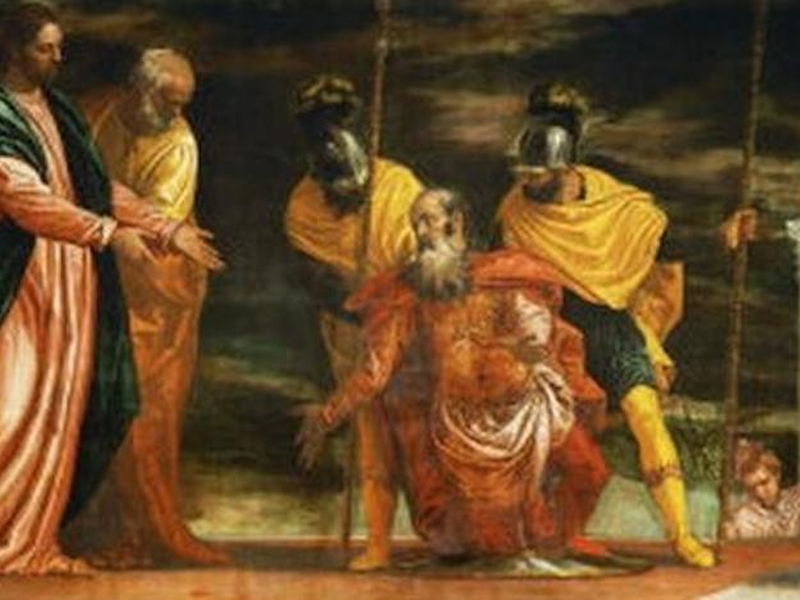
When Jesus was entered into Capernaum, there came unto him a centurion, beseeching him, saying, “Lord, my servant lieth at home sick of the palsy, grievously tormented.” Jesus saith unto him, “I will come and heal him.” The centurion answered and said, “Lord, I am not worthy that thou shouldest…

by Lindsey TollefsonSeptember 24, 2015
creation-eve-2
Genesis

The Two Shall Become One Flesh: A Wedding Homily

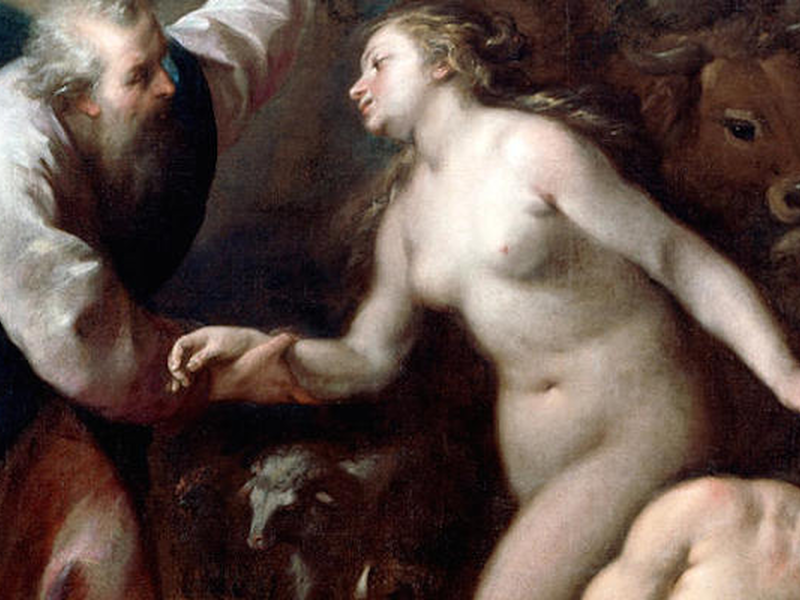
Philosophers have measured mountains, Fathom'd the depths of seas, of states, and kings, Walk'd with a staff to heaven, and traced fountains But there are two vast, spacious things, The which to measure it doth more behove: Yet few there are that sound them; Sin and Love. The Agonie –…

by Joshua AppelSeptember 22, 2015
john-baptist-pointing
Luke

Of Sandals and Heroes

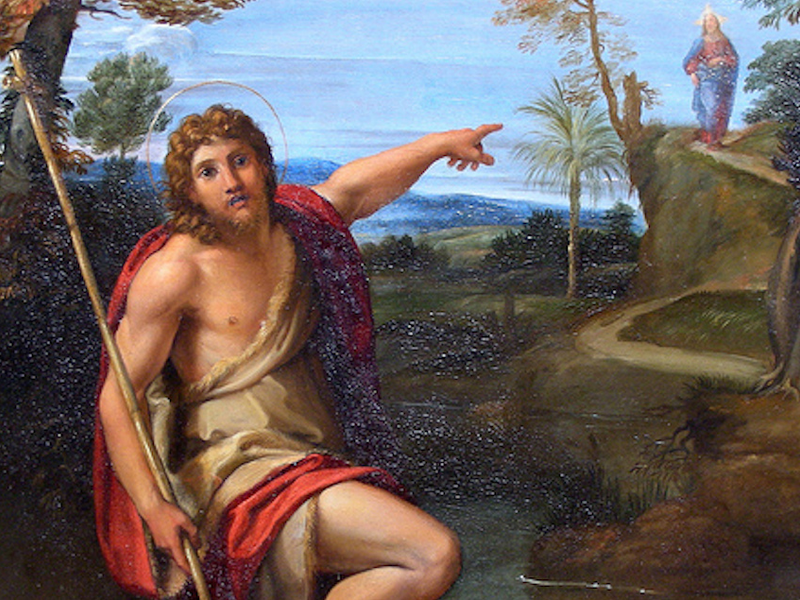
The third chapter of Luke famously opens with a list of mighty men, seven mighty men, potential heroes of the Mediterranean world. Beginning with Tiberius Caesar and Pontius Pilate, passing on to Herod the Tetrarch and his brothers, and ending with two High Priests, Luke says that the word of…

by Toby SumpterSeptember 17, 2015

Showing page 143 of 309

See all
See all

Augustinian Optimism and Modern Science

P eter Harrison points out in his The Fall of Man and the Foundations of Science (10–11) that the Reformation coincided with the rediscovery of ancient skepticism. While the Reformers were undermining traditional Catholic sources of authority from one side, Montaigne and others were corroding certainty from the other. Descartes…

December 12, 2016

Apocalypse Preserved

Karl Shuve's contribution to Apocalypses in Context traces the Christian use of Jewish apocalyptic, especially of the Book of the Watchers from 1 Enoch, which even makes it into the universal canon of the New Testament (Jude). The Watcher story appears in Justin, who “blames ‘every evil' on the Watcher…

December 9, 2016

Constructing Modernity

Thomas Fabisiak wonders, What does the New Jerusalem have to do with modernity? ( Apocalypses in Context ). Ask most modern philosophers, and the answer will be, Not much. Fabisiak speaks of the “'rhetorical construction' of modernity” that takes the form of a dismissal or expulsion of apocalyptic and all…

December 9, 2016

Chess and Soviet Man

In a 2011 New Yorker profile of Norwegian chess champion Magnus Carlsen, D.T. Max digresses to explain the logic behind the Soviet interest in chess: “Lenin, an enthusiastic player, made the game a priority for the new nation. In 1920, Alexander Ilyin-Zhenevsky, a commissar of Soviet chess, wrote that chess,…

December 9, 2016

Erotics of Reading

In the middle stanzas of “Erotikos Logos,” watching someone else reading, Scott Cairns ( Slow Pilgrim , 278) writes, “So much, of course, depends upon your own willingness to find something worthy here, even as you bring - as you must - something worthy to the effort. So much of…

December 9, 2016

From Polemic to Propaganda

Andrew Pettegree ( Reformation and the Culture of Persuasion ) observes a shift in rhetorical tone in Protestant-Catholic debates between the early and mid sixteenth century: “While much of the polemical writing of Luther’s day was rumbustious in tone, making liberal use of ridicule and ad hominem attacks, it still…

December 9, 2016

Showing page 224 of 2212

Browse by Category

In Medias Res

Your weekly digest for all things Theopolis.

Donate

Theopolis is nearly 100% donor-supported. Consider joining us on our mission.