Theopolis Logo

Writing

Explore our collection of theological essays, biblical studies, and reflections on faith and culture.

See all
e99a9334
Advent

Stretching Christmas

For many people Christmas comes on December 25 and is over December 26. The tree is taken down along with the lights and the other decorations, and everyone begins setting the house in order for the new year. No more Christmas hymns. No more celebrations (well, until New Year’s Eve).…

by Steve WilkinsDecember 24, 2016
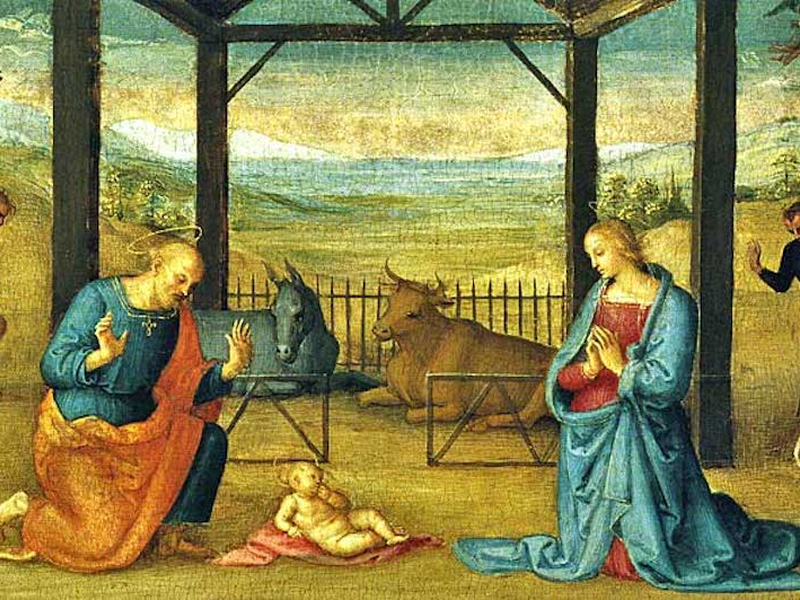
ascension
Advent

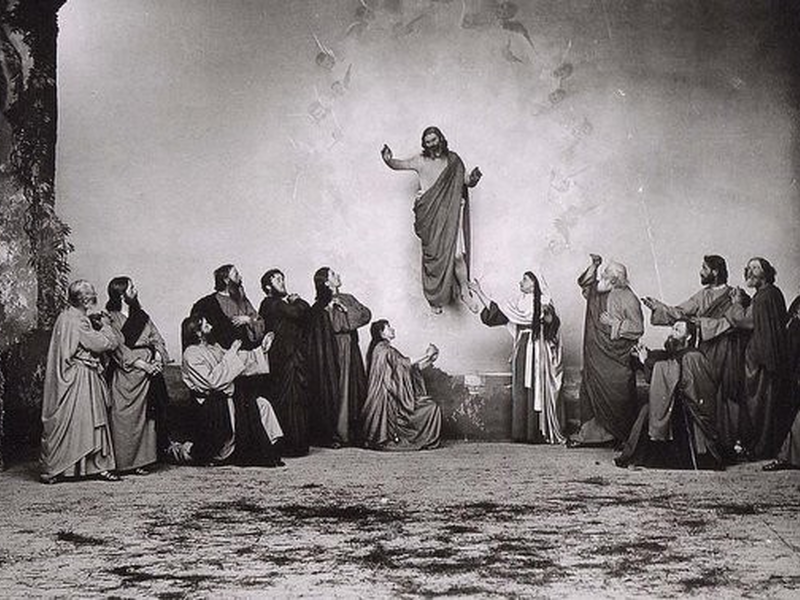
Ascension and Incarnation

The Ascension and the Incarnation should not be disconnected in our Christmas thinking or celebrations. As N.T. Wright notes, the ascension is "a central and vital feature without which all sorts of other things start to go demonstrably wrong. . . . where the ascension has been ignored or misunderstood,…

by Roy AtwoodDecember 23, 2016
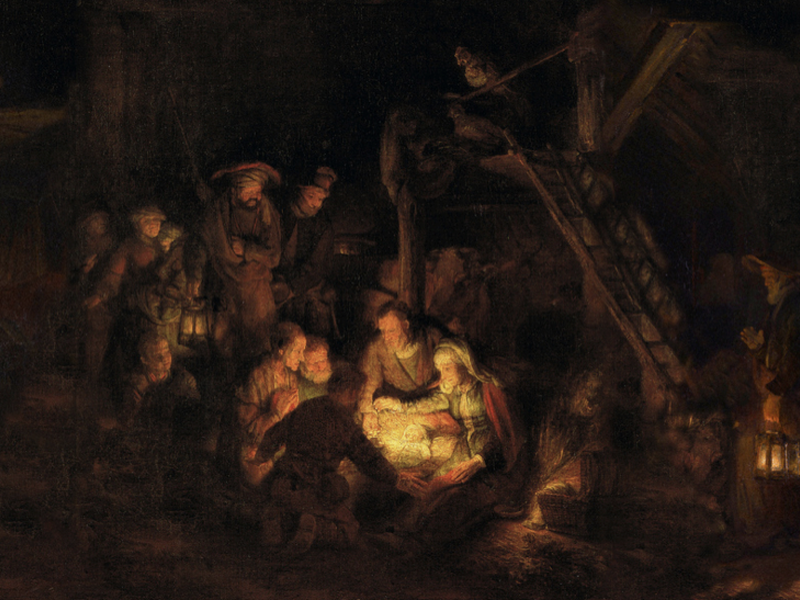
nativity-rembrandt
Advent

Christmas Light

“In the Word was life, and the life was the light of men. And the light shines in the darkness.” Thus John describes the incarnation of the Son. He comes as the living and life-giving light of the world. That’s good news. In the beginning, God spoke and light shone…

by Peter LeithartDecember 23, 2016
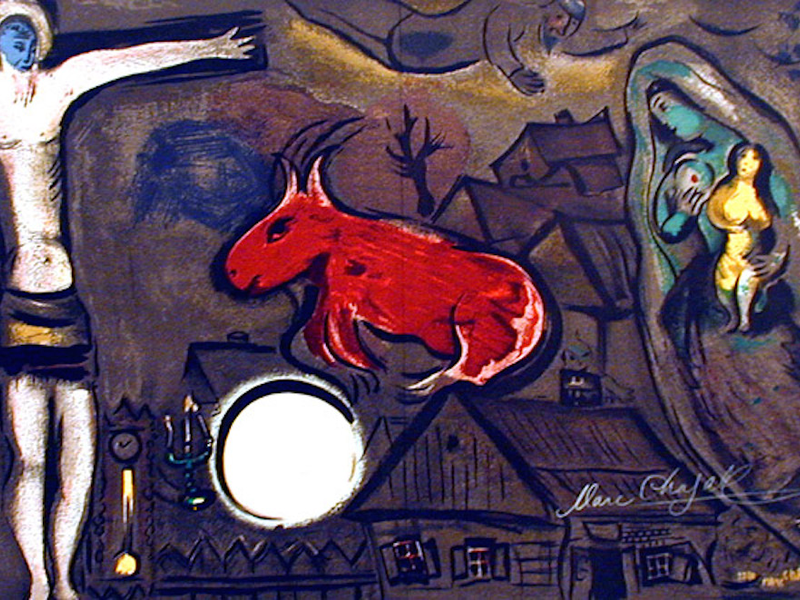
nativity-chagall
Advent

The Spirit of Christmas

Christmas is all about Jesus. The angels announce Jesus’ birth, shepherds and wise men come to see Jesus, Herod wants to kill Jesus. We occasionally think of the Father who sent the Son, but we keep returning to the Son made flesh in Bethlehem’s manger. Meanwhile, as always, the Spirit…

by Peter LeithartDecember 22, 2016
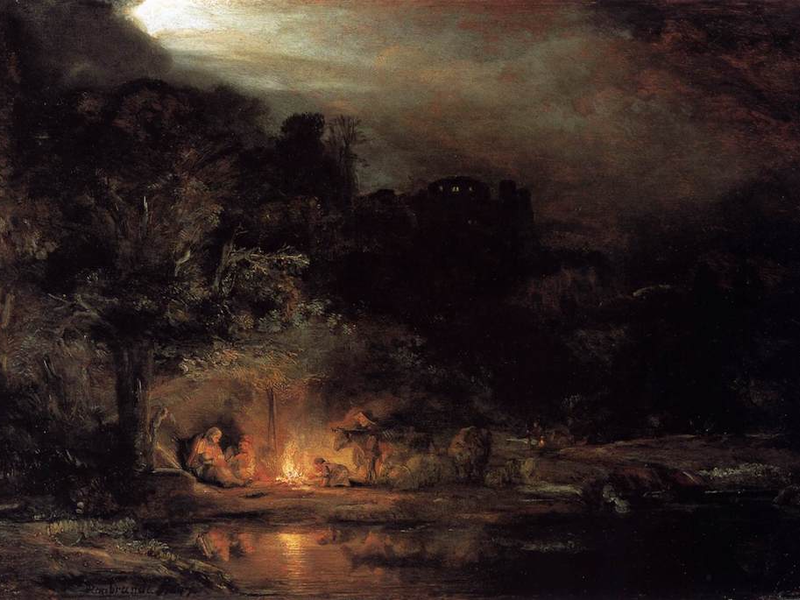
nativity
Advent

The Humility of God

Christmas is about many things, but one of the chief things revealed in the gospel of Christmas is the humility of God. We don't often think of humility as an attribute of God. If God is glorious and exalted, we think, He must be haughty and proud and self-centered. We…

by Peter LeithartDecember 21, 2016
screenshot-2025-12-15-at-8-35-45-am
Advent

Advent of Unity

John famously begins his Gospel with a piece of theology: “In the beginning was the Word, and the Word was with God, and the Word was God.” Matthew starts with a genealogy. John celebrates Advent with a hymn, Matthew with a list. For John, Jesus is the Word of creation…

by Peter LeithartDecember 20, 2016

Showing page 120 of 309

See all
See all

Parthian Invasion?

S ome commentators on Revelation give the Parthian empire a major role in the book. The Parthian empire stretched from the Euphrates to Iran; the Silk Road passed through, making it crucial to trade routes from the Roman empire to the far east. Romans and Parthians fought several times during…

November 15, 2016

Structure in 1 Chronicles 17

D avid wants to build Yahweh a house, and Nathan the prophet approves (1 Chronicles 17:1-2). That night, the word of Yahweh comes to Nathan to correct him. When Nathan delivers the oracle, David is a new Abraham, to whom the “Word of the Lord came” to promise the land…

November 14, 2016

Hegel the Theologian

E nrique Dussel ( Underside of Modernity ) explains Hegel’s defection from Kant in theological terms. Inspired by Schiller's distinction of reason as “the vital faculty of synthesis” and understanding as the faculty that “determines its object, separates it, kills it,” Hegel described the kingdom of Jesus in terms of…

November 11, 2016
Reformational Catholicism

Confessionalization and Division

I have only two quick responses to Toby Sumpter's generous and thoughtful review of (a part of) The End of Protestantism . First, he expresses the wish that I would have called the book The End of Denominationalism or somesuch, hinting that I chose the title because of its rhetorical…

November 11, 2016

Jezebel and Babylon

P aul Duff ( Who Rides the Beast? 90) calls attention to five parallels between the prophetess Jezebel of Thyatira (Revelation 2) and the harlot city Babylon (Revelation 17-18). “First, Ahab's wife was a queen—of the kingdom of Israel in the ninth century BCE; the regal bearing of ‘Babylon' in…

November 11, 2016

Dooyeweerdian Impasse

I n an essay on radical Augustinian social critique in his Religion, Truth, and Social Transformation , Lambert Zuidervaart summarizes the social vision of Herman Dooyeweerd with two themes: spiritual antithesis and structural differentiation. The antithesis is, for Dooyeweerd, “universal, comprehensive, and deeply spiritual,” running “right through the Christian life…

November 11, 2016

Showing page 232 of 2212

Browse by Category

In Medias Res

Your weekly digest for all things Theopolis.

Donate

Theopolis is nearly 100% donor-supported. Consider joining us on our mission.