Theopolis Logo

Writing

Explore our collection of theological essays, biblical studies, and reflections on faith and culture.

See all
evangelists
Matthew

Dating Matthew, (Part 1)

When might the Gospel according to Matthew have been written? Of course, any answer can only be speculation, but that does not mean we are reduced to groundless opinion. In this series of articles I point the way to an approach different from the general consensus among scholars today which…

by Ralph Allan SmithNovember 22, 2016
hebrew-manuscript-3
Hermeneutics

Synopticity, (Part 2)

In my first essay on “synopticity” I offered a rather rough definition of the phenomenon and important, though not exhaustive examples. In this essay, I want to introduce broader aspects of the phenomenon of “synopticity.” The first example that I have in mind is conventional stories, stories of different historical…

by Ralph Allan SmithNovember 17, 2016
screen-shot-2016-03-31-at-9-32-11-am
Ascension

Brexit and the Binding of Satan, Part 4

Since the judgment of Babel was followed by the initiation of the circumcision, the impending end of the circumcision in AD70 explains the significance of the first century miracle of foreign tongues. Except for a few Aramaic “teasers” in the book of Daniel, the Word of God was monolingual and…

by Mike BullNovember 15, 2016
four-evangelists
Hermeneutics

Synopticity, (Part 1)

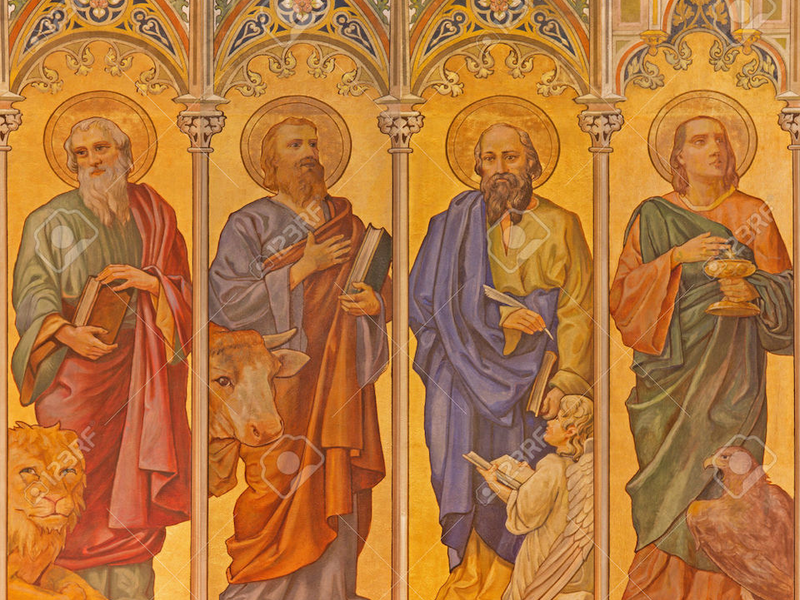
To the best of my knowledge “synopticity” is not a word used in theology or Biblical studies, but it seems an appropriate word to describe the kind of phenomena associated with the Synoptic Gospels, Matthew, Mark, and Luke. These three Gospels tell essentially the same story with significant — sometimes…

by Ralph Allan SmithNovember 10, 2016
laughing_statue_by_xxbobbiie-d5f0meh-2
Humor

Learning to Laugh

Humor is a funny thing. It is altogether familiar yet also mysterious. What makes us laugh? Why do we find things funny? There are academic fields of study dedicated to discovering what makes things humorous. These academicians even have a journal entitled International Journal of Humor Research . No joke.…

by Bill SmithNovember 8, 2016
chaucer
Literature

Flawed Means of Grace: Liturgy in The Pardoner's Tale

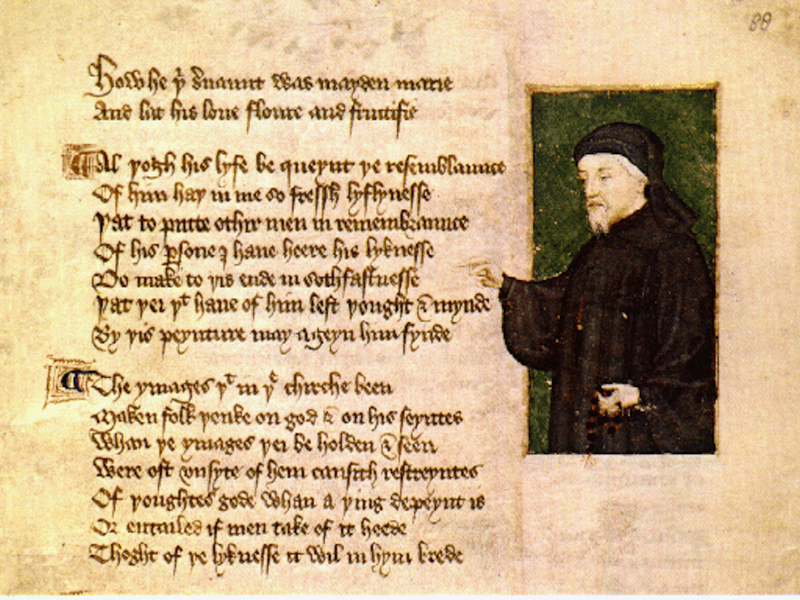
Out of all the characters in Geoffrey Chaucer’s The Canterbury Tales , the Pardoner has been called the “one lost soul.” The pious Parson, who closes out the collection of tales with a sermon on the seven deadly sins and how a sinner can absolve himself of them, connects the…

by Christian LeithartNovember 3, 2016

Showing page 122 of 309

See all
See all

Is Anonymity Still a Thing?

T he literary world is atwitter this week with the revelation of the real identity of Elena Ferrante, the pseudonym used by the author of the acclaimed Neopolitan Quartet. Italian journalist Claudio Gatti reported on his months-long investigation in the New York Review . Gatti’s conclusion, based on real estate…

October 7, 2016
Liberalism

Infantilism and Anti-Paternalism

J ohn Milbank and Adrian Pabst ( Politics of Virtue , 17) claim that “politics should revert to its ancient character as a ‘politics of the soul,’ concerned above all to nurture virtuous citizens, just as parents are concerned above all with the character of their children, precisely because they…

October 7, 2016

Disembedding

J ohn Milbank and Adrian Pabst ( Politics of Virtue , 47) observe that the liberal state claims to release “the economic and social spheres to be pre-politically themselves as natural, meaning true to human biological needs and inclinations.” In fact, however, it “politically produces this sphere of man as…

October 7, 2016

Scarcity

S carcity is one of the central premises of economic theory. John Milbank and Adrian Pabst see the premise of scarcity as one of a triad of pessimistic assumptions that found liberal order - the other two are “ontological violence and natural egoism” ( Politics of Virtue , 48). They…

October 7, 2016

Your Brain On Paper

M atthew Crawford ( The World Beyond Your Head ) observes that we can do simple mathematics in our heads. We can even multiply bigger numbers by breaking them down into smaller ones. At some point, though, most of us lost track: “If one has to multiply 356 by 911,…

October 7, 2016

God's Gift to God

1 Chronicles 17 is the Chronicler’s account of the Davidic covenant, Yahweh’s commitment to the Davidic dynasty. In his response to the Lord’s pledge, David summarizes the aims of the exodus (v. 21). Following the Hebrew word order, we can see a somewhat irregular chiasm: A. And what one nation…

October 6, 2016

Showing page 246 of 2212

Browse by Category

In Medias Res

Your weekly digest for all things Theopolis.

Donate

Theopolis is nearly 100% donor-supported. Consider joining us on our mission.