Theopolis Logo

Writing

Explore our collection of theological essays, biblical studies, and reflections on faith and culture.

See all
cloister

Gatekeepers

1 Chronicles 9:1 seems to bring the genealogies of 1 Chronicles to an end. The Chronicler has recorded the genealogy of the human race from Adam, focusing on the descendants of Abraham through Jacob. Summing it all up, he says, “So all Israel was enrolled by genealogies; and behold, they…

by Peter LeithartJune 21, 2016
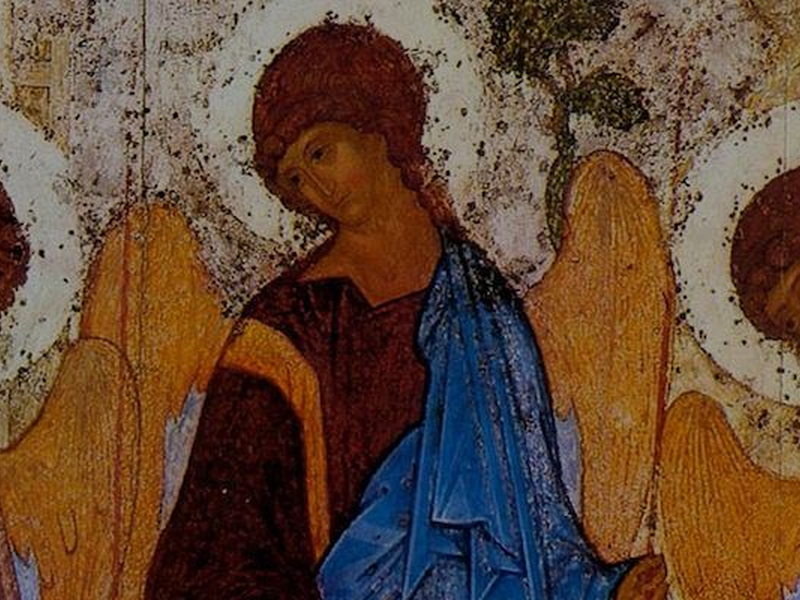
trinity-1-2
Trinity

Are the Divine Persons Persons?

The “personalist” understanding of the Trinity, articulated most influentially in the work of John Zizioulas, has fallen on hard times. Recent scholars have attacked Zizioulas’s idea that Cappadocian Trinitarianism represented an ontological revolution, hammering on the distinction between divine and human personhood. Michel Barnes’s conclusion is the most drastic of…

by Peter LeithartJune 16, 2016
img_4660-2
Architecture

On Biblical Theology

Biblical Theology is often defined as the historical unfolding of God’s revelation, or of God’s revelation and of the history of his covenantal redemption and transformation of humanity and the world. In practice, Biblical Theology is usually broader than this, and also includes the study of literary structure and of…

by James B. JordanJune 14, 2016
laughing_statue_by_xxbobbiie-d5f0meh-2
Humor

Wise Laughter

We are made to be happy. Created to enter into the eternal joy of God, our whole being inclines to that end, but the fallen world has put forth barriers and by our own sin we bar ourselves from that endless delight, and death blinds us to that reality. Yet…

by Remy WilkinsJune 7, 2016
img_7664
Liturgy

Why Theopolis? Take Two

At the end of Revelation, John sees the heavenly city descending to earth. The city shines with the brilliance of God's glory, which lightens the nations, so that kings bring their glory to the city. This is not a vision of the final new heaven and new earth. It's a…

by Peter LeithartJune 2, 2016
trinity-1-2
Attributes of God

How Can We Talk About God?

“No one has ever seen God,” writes John (John 1:18). If this is the case, then how can we speak about God? Some people say we actually cannot. Or at least we cannot speak about God positively, i.e. who He is. We can only say who or what God is…

by Bogumil JarmulakMay 31, 2016

Showing page 130 of 309

See all
See all

Two Churches

J ohn Bale, bishop of Ossory from 1495 to 1563, was a polemicist and historian, author of the first known verse drama in English, and commentator on the Apocalypse. The latter is titled An Image of Both Churches , an examination of the true and false churches in the book…

September 9, 2016
Typology

Weavers and Ships

H ippolytus doesn’t convince with his interpretation of prophecy in On Christ and AntiChrist , but along the way he offers some lovely meditations on the cross and the church. The cross, He says, is the weaver’s loom on which Jesus makes His bridegroom robes: “whereas the Word of God…

September 9, 2016

The Big Story

I n a 2005 interview with the Paris Review , Australian poet Les Murray describes his family’s religious background, and the reasons for his conversion to Catholicism: The Murrays were old-style Free Kirk Presbyterians. They ranged from devout to indifferent, but most had at least a touch of that Calvinist…

September 9, 2016
Theology

The Task of Theology

T. A. Noble ( Holy Trinity, Holy People , 7) says this about the role of the Bible in theology in a discussion of the Wesleyan Quadrilateral (which, he rightly says, isn’t just Wesleyan): It is not the task of theology merely to expound and elaborate and refine the church’s…

September 9, 2016

Uncaused Events

I t’s been a metaphysical dogma for philosophers from Scholastics to Cartesians that an effect cannot be greater than its cause. John Milbank begs to differ. Writing in defense of the historicity of the Gospels’ account of the crucifixion ( Being Reconciled , 84), Milbank points out that “well-attested and…

September 9, 2016
Liberalism

Liberal totalitarianism

In a brilliant 2013 article in Communio , D.C. Schindler examines the “totalitarian logic of self-limitation” within liberal order. He argues that any actual common good must precede a particular person's share in the good; the whole precedes sharing by the parts. A ruse appears at the heart of liberal…

September 9, 2016

Showing page 255 of 2212

Browse by Category

In Medias Res

Your weekly digest for all things Theopolis.

Donate

Theopolis is nearly 100% donor-supported. Consider joining us on our mission.