Theopolis Logo

Writing

Explore our collection of theological essays, biblical studies, and reflections on faith and culture.

See all
paul-2
Romans

Notes on Scary Stuff in Romans 9

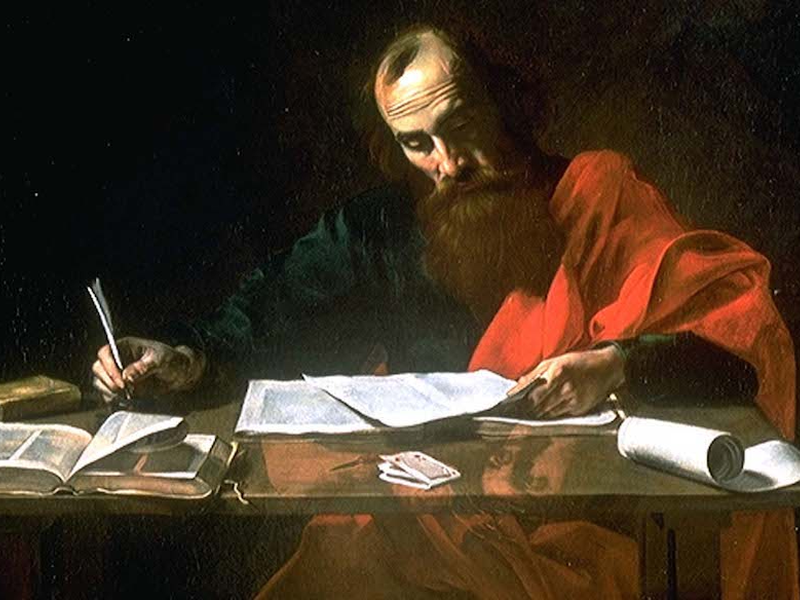
What shall we say then? Is there injustice on God’s part? By no means! For he says to Moses, “I will have mercy on whom I have mercy, and I will have compassion on whom I have compassion.” So then it depends not on human will or exertion, but on…

by Mark HorneFebruary 5, 2015
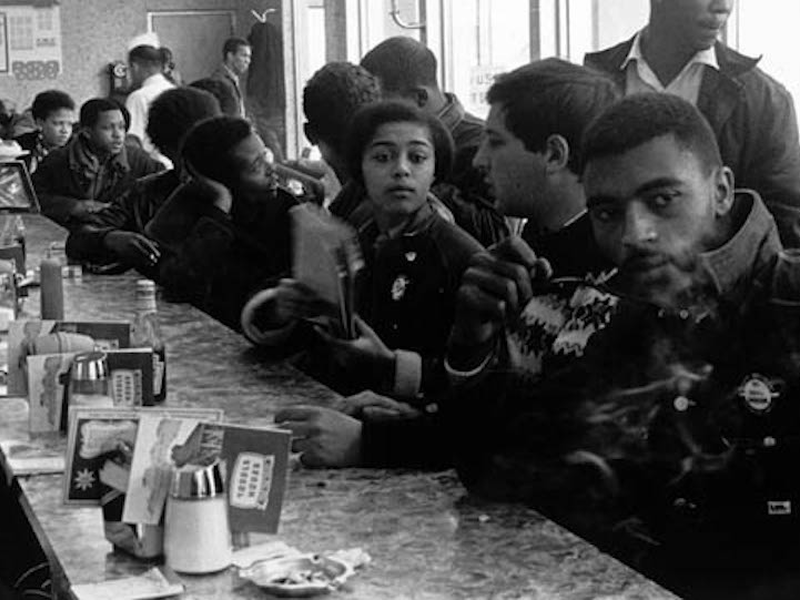
lunch-counter
American Politics

Covenants of Exclusion

A hundred years ago, William Warley signed a contract to buy a house in Louisville, Kentucky from Charles Buchanan, a white man. Before closing the sale, Warley, who was black, learned that the lot was subject to a city ordinance barring blacks from occupying the premises if most of the…

by Brendan O'DonnellFebruary 3, 2015
shakespeare-2
Literature

The Bard and the Book

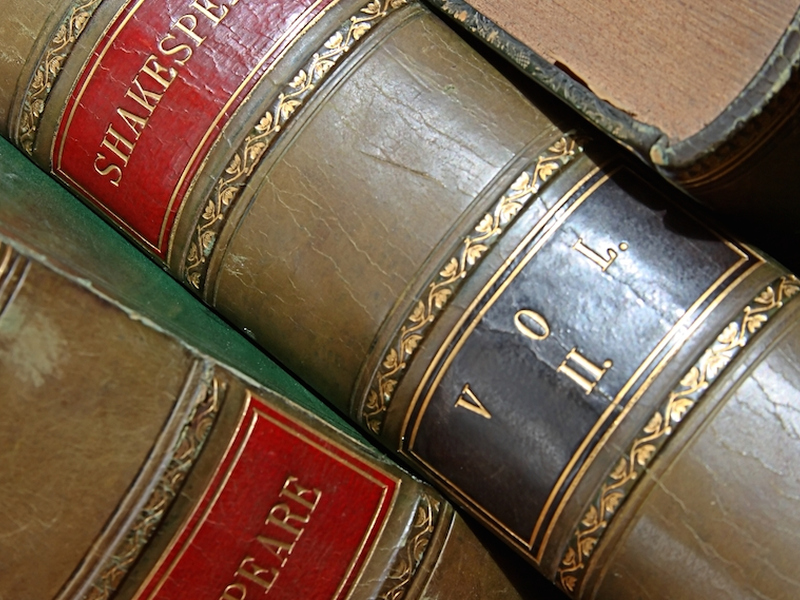
I concluded the first essay on this topic by saying that I would introduce three books about Shakespeare and the Bible, but I decided to introduce four instead. The three books become four are: Naseeb Shaheen, Biblical References in Shakespeare’s Plays (London: Associated University Presses, 1999) ; Hannibal Hamlin, The…

by Ralph Allan SmithJanuary 29, 2015
augustine-2
Augustine

Augustine on Pagan Virtue

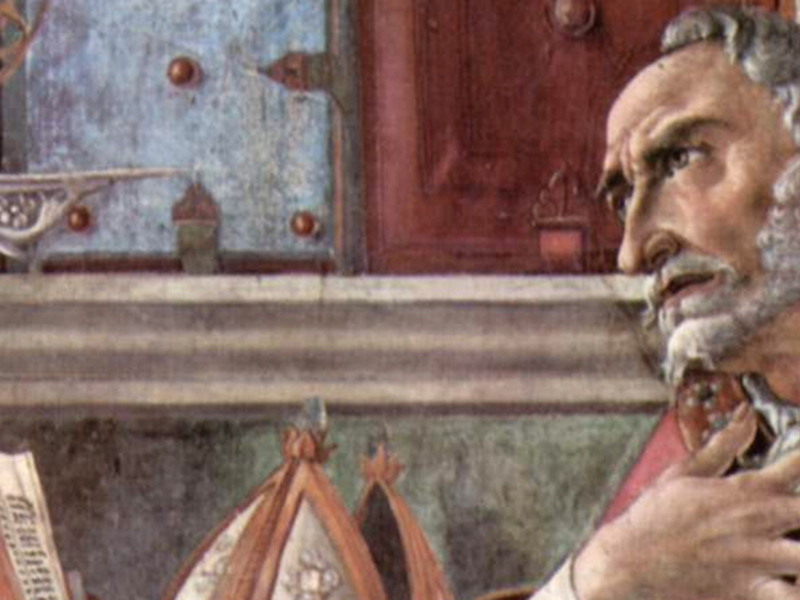
My children attend a classical Christian school, situated in the independent “free church” evangelical tradition. Over the past few years they have been growing in their acquaintance with the world of Homer, Plato, Virgil, and Livy. They enjoy it, and I envy it. The school is a great school. My…

by Gerald HiestandJanuary 27, 2015
prodigal-son
Atonement

The Prodigal and the Cross

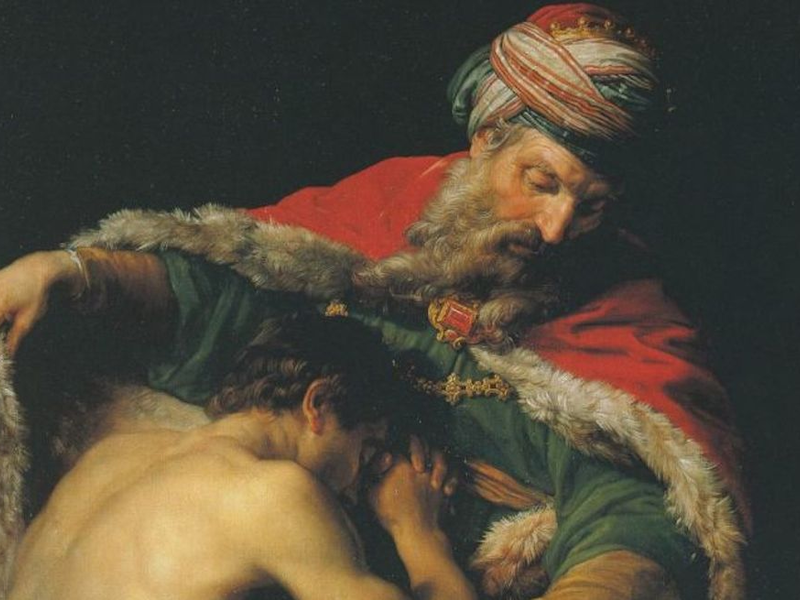
The Prodigal Son parable (Luke 15) has been a favorite of liberal theologians for a couple of centuries. It seems to be a parable designed for liberal sensibilities: An indulgent, accepting Father; forgiveness extended without a cross; a surly older brother who might represent the "conservative" face of religion who…

by Peter LeithartJanuary 22, 2015
sky-from-bridge
Ascension

Underground Man, Ascended Man

“I want now to tell you, gentlemen, whether you care to hear it or not, why I could not even become an insect. I tell you solemnly, that I have many times tried to become an insect. But I was not equal even to that. I swear, gentlemen, that to…

by Richard BledsoeJanuary 20, 2015

Showing page 161 of 309

See all
See all

The Beast

I n an 1881 article , F.W. Farrar examined the case for Nero as the sea beast of Revelation 13. Many contemporary scholars dismiss this because they believe that Revelation was written decades after Nero. Farrar makes a circumstantial and exegetical case for the identification, and in the process provides…

August 23, 2016

It Takes A City

I n a 1977 Daedalus article on “ The Family and the City ,” French historian Philippe Aries argued that “the real roots of the present domestic crisis lie not in our families, but in our cities.” As cities “deterioriated” and urban culture weakened, “the omnipotent, omnipresent family took upon…

August 23, 2016

Born in Zion

P salm 87 is a hymn to Zion. The name “Zion” occurs four times, and the Psalm declares Yahweh's love for Zion (v. 1), the glory of Zion as city of God (v. 2), the joy that fills Zion (v. 6). It could be a “nationalistic” hymn to Israel's ancient…

August 22, 2016

Purity System

I n her contribution to The Peace of God , Amy Remensnyder examines the eleventh-century crackdown on simony, clerical marriage and unchastity, and the clergy's involvement in war. These were characterized as pollutions of the clergy and the church, and the rules were framed as purity prohibitions. Gregory VII denounced…

August 19, 2016
American Religion

Nature's Nation

A mericans have often justified American order and American exceptionalism by invoking “the myth of nature,” write Robert Hughes and C. Leonard Allen in Illusions of Innocence (205). They “first employed this myth to justify freedom from tyranny. But they soon began equating nature with particular dimensions of national life…

August 19, 2016

Mary Douglas and Taboo

I n a review of Jacob Milgrom's Anchor Bible Leviticus commentary, Jonathan Klawans provides a helpful summary of the achievement of Mary Douglas's Purity and Danger : Against especially Robertson Smith and Frazer, Douglas argued that avoidance behaviors could no longer be dismissed as something inherently or distinctly primitive. Douglas…

August 19, 2016

Showing page 262 of 2212

Browse by Category

In Medias Res

Your weekly digest for all things Theopolis.

Donate

Theopolis is nearly 100% donor-supported. Consider joining us on our mission.