Theopolis Logo

Writing

Explore our collection of theological essays, biblical studies, and reflections on faith and culture.

See all
johann-siemens-epy0gbjzzzu-unsplash
Apologetics

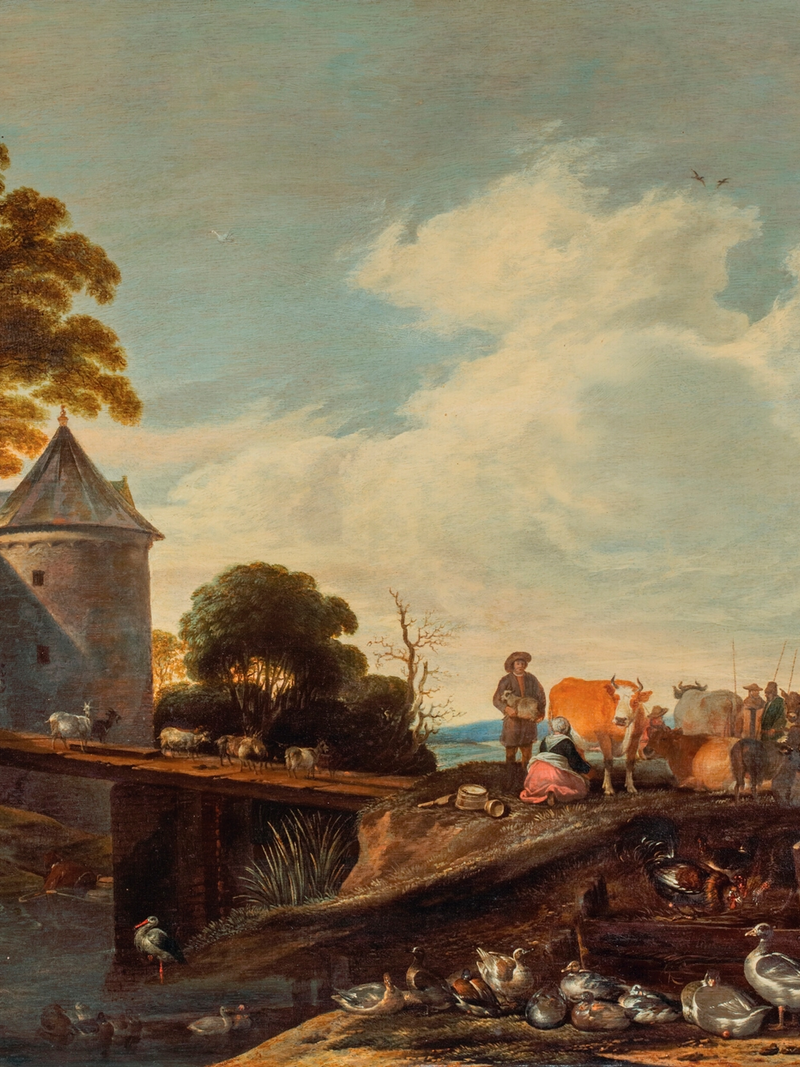
A Sabbath Conversation: How Old is the Earth?

As Adam and Eve walked to the center of the Garden of Eden to meet with the LORD on their first Sabbath they conversed about the origin and age of the earth. Adam: You know, honey, we spent a lot of time yesterday making preparations for our house, and we…

by Jeff MeyersOctober 3, 1997
img_1043
Biblical Horizons

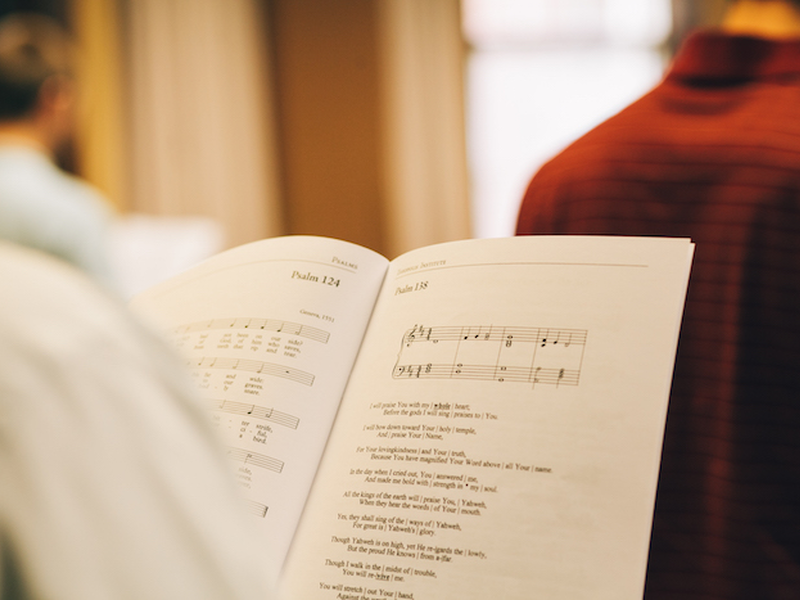
Psalms for Exile: The Narrative Progression in the Fifth Book of the Psalter

Some of our forefathers believed in reading/singing the psalms in order. Today, when the psalms are even used at all, they tend to be used randomly, though sometimes tied to a church calendar or to the pastor’s sermon. The Bible does not bind us to any particular practice, but there…

by James B. JordanSeptember 4, 1997
jordan-wozniak-xp_agmeea6s-unsplash-2
Biblical Chronology

The Anthropomorphic Days of C. John Collins, Part 2

Dr. Collins begins his essay with a brief statement of the Day Age view and then a brief statement of the Six Day view, focussing on the challenge to that view posed by modern "science." He ends this discussion by writing: "Two crucial points are at stake here: first, the…

by James B. JordanSeptember 4, 1997
john-salzarulo-wtjrpjzabcq-unsplash
Biblical Horizons

Paperweights and the Puzzles of Secularism

In his The Construction of Social Reality , Berkeley philosopher John Searle puzzles over the ontology of the products of human construction. Certain things – granite, platypi, weeping willows – occur naturally; while other realities – stone walls, zoos and parks, Chase Manhattan Bank – exist only as products of…

by Peter LeithartAugust 27, 1997
ales-krivec-4mibe6zg5r0-unsplash
Biblical Chronology

The Anthropomorphic Days of C. John Collins, Part 1

In the journal Presbyterion 20 (1994):109-130, published by Covenant Theological Seminary, Dr. C. John Collins sets forth a revision of the Day Age approach in his essay, "How Old Is the Earth? Anthropomorphic Days in Genesis 1:1–2:3." Dr. Collins’s essay has been widely accepted in evangelical Presbyterian circles as an…

by James B. JordanAugust 4, 1997
screenshot-2023-09-04-at-10-37-01-am
Biblical Horizons

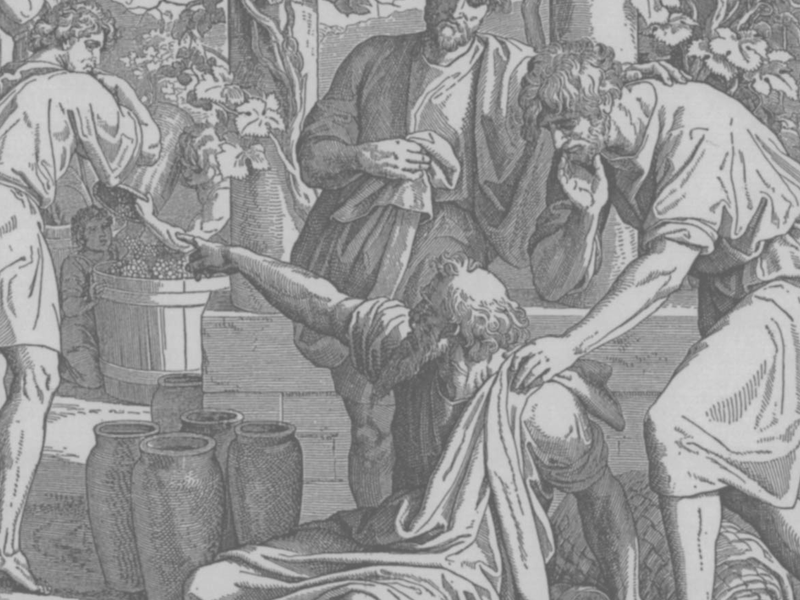
The Sin of Ham and the Curse of Canaan, Part 3 (An Exposition of Genesis 9:20-27)

The Righteousness of Shem and Japheth As noted above, the action of Shem and Japheth was purely symbolic. They did not need to cover Noah with a garment, for he was already covered by the tent. Their action was a symbolic affirmation of Noah’s authority, a symbolic rejection of Ham’s…

by James B. JordanAugust 4, 1997

Showing page 254 of 309

See all
See all

Shakespeare on Sacraments

In their essay on the Eucharist in Cultural Reformations , David Aers and Sarah Beckwith notes that “one of the central images in the exhortations to Holy Communion in the Book of Common Prayer and also in the ‘Homily of the Worthy Reception’ is the image of the heavenly banquet…

May 13, 2016

Reformation Crucifixion

In the second volume of his study of the cross in Western art ( The Triumph of the Cross ), Richard Viladesau notes that “the period immediately preceding the Reformation was one in which Christ's passion was treated with graphic emphasis on the violence of the events and on the…

May 13, 2016

Worthy Reception

In a contribution to Cultural Reformations , David Aers and Sarah Beckwith explain that “One of the chief reasons why Cranmer and other reformers thought the rejection of transubstantiation was so essential was that it negated the act of repentance and reception. If the body of Christ was e x…

May 12, 2016

Augustinian Eucharist

David Aers and Sarah Beckwith argue that Augustine's interpretation of John 6 cannot be understood in a Zwinglian or Wycliffite sense (essay in Cultural Reformations , 153). Augustine does say “Believe and you have eaten,” but Augustine's framework for saying this is corporate and ecclesial. As evidence, they summarize Augustine's…

May 12, 2016

Disenchantment and the Sacrifice of Intellect

Theology often lays claim to scientific status, Weber observes, but in doing so does something that no genuine science does: It operates with substantive presuppositions, especially the assumption that the cosmos is meaningful. In “Science as a Vocation,” he writes, “All theology represents an intellectual rationalization of the possession of…

May 12, 2016

From the Mountain

John is carried by the Spirit to a “great and high mountain” (Revelation 21:9-10), where he sees new Jerusalem descend from heaven. It's the last mountain in Bible, in line with Eden, Sinai, Zion, Moriah, Tabor, Olives. The link with Sinai is especially important, but not because this is a…

May 11, 2016

Showing page 290 of 2212

Browse by Category

In Medias Res

Your weekly digest for all things Theopolis.

Donate

Theopolis is nearly 100% donor-supported. Consider joining us on our mission.