
Theopolis Logo

Writing

Explore our collection of theological essays, biblical studies, and reflections on faith and culture.

See all
cloister

Gatekeepers

1 Chronicles 9:1 seems to bring the genealogies of 1 Chronicles to an end. The Chronicler has recorded the genealogy of the human race from Adam, focusing on the descendants of Abraham through Jacob. Summing it all up, he says, “So all Israel was enrolled by genealogies; and behold, they…

by Peter LeithartJune 21, 2016
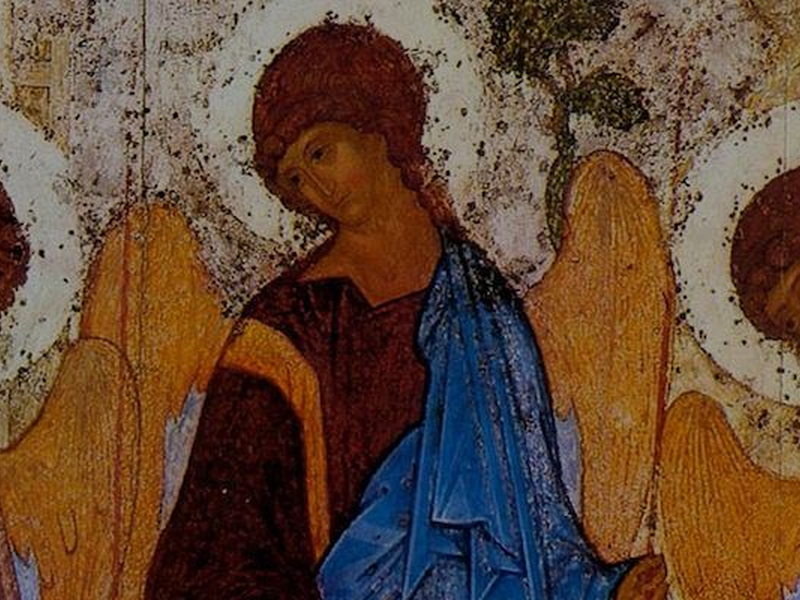
trinity-1-2
Trinity

Are the Divine Persons Persons?

The “personalist” understanding of the Trinity, articulated most influentially in the work of John Zizioulas, has fallen on hard times. Recent scholars have attacked Zizioulas’s idea that Cappadocian Trinitarianism represented an ontological revolution, hammering on the distinction between divine and human personhood. Michel Barnes’s conclusion is the most drastic of…

by Peter LeithartJune 16, 2016
img_4660-2
Architecture

On Biblical Theology

Biblical Theology is often defined as the historical unfolding of God’s revelation, or of God’s revelation and of the history of his covenantal redemption and transformation of humanity and the world. In practice, Biblical Theology is usually broader than this, and also includes the study of literary structure and of…

by James B. JordanJune 14, 2016
laughing_statue_by_xxbobbiie-d5f0meh-2
Humor

Wise Laughter

We are made to be happy. Created to enter into the eternal joy of God, our whole being inclines to that end, but the fallen world has put forth barriers and by our own sin we bar ourselves from that endless delight, and death blinds us to that reality. Yet…

by Remy WilkinsJune 7, 2016
img_7664
Liturgy

Why Theopolis? Take Two

At the end of Revelation, John sees the heavenly city descending to earth. The city shines with the brilliance of God's glory, which lightens the nations, so that kings bring their glory to the city. This is not a vision of the final new heaven and new earth. It's a…

by Peter LeithartJune 2, 2016
trinity-1-2
Attributes of God

How Can We Talk About God?

“No one has ever seen God,” writes John (John 1:18). If this is the case, then how can we speak about God? Some people say we actually cannot. Or at least we cannot speak about God positively, i.e. who He is. We can only say who or what God is…

by Bogumil JarmulakMay 31, 2016

Showing page 130 of 309

See all
See all
Trinity

Contracting the Trinity

Trinitarian theology blossomed in English theology in the post-Reformation period, evidenced by the creative development of the vestigia trinitatis . During the seventeenth century, though, Trinitarian theology began to contract and wither. According to Philip Dixon ( Nice and Hot Disputes ), there were two dynamics at work. First, Trinitarian…

February 25, 2016

Structure in 1 Chronicles

1 Chronicles begins with a list of 13 names, from Adam to Japheth. From Genesis 10, we know that the list is broken into two lists, 10 + 3. The first ten names mark generations from Adam to Noah; the list of three names are all from the same generation,…

February 25, 2016

Economy of Force

Patricia Owens summarizes her recent Economy of Force in a symposium at The Disorder of Things . Her book is a history of modern counterinsurgency, but that history has much broader implications for the history of political thought and scholarship on international relations. As Owens puts it, “The book is…

February 24, 2016

Liturgical Orientalism

Robert Taft ( “Eastern Presuppositions” and Western Liturgical Reform ) credits the Melkite patriarch and bishops with exercising a disproportionate influence on the direction of reform at Vatican II, due to their “remarkable imaginative and universal vision.” They were the first to state that the council should avoid definitions and…

February 24, 2016

Separability and Situatedness

Marcia Pally's Commonwealth and Covenant is a study of the “economics, politics, and theologies of relationality.” She works through these topics using the categories of “separability” and “situatedness.” Separability is “the ability to leave one's place and develop oneself differently from past and neighbors” (3). She thinks that the contemporary…

February 24, 2016

Debtor Nation

“In 2010, Americans had total debt outstanding of $52.4 trillion, more than three-and-a-half times the country's gross domestic product,” writes Rowena Olegario in The Engine of Enterprise (1). Over $13 trillion is household debt, $24.5 is business debt, and 24% or $12.4 trillion is government debt, mostly federal debt. Each…

February 23, 2016

Showing page 317 of 2212

Browse by Category

In Medias Res

Your weekly digest for all things Theopolis.

Donate

Theopolis is nearly 100% donor-supported. Consider joining us on our mission.








