Theopolis Logo

Writing

Explore our collection of theological essays, biblical studies, and reflections on faith and culture.

See all
little-girl
Children

Honor God With Your Body

I am making a new rule in our house! We are actually kind of skimpy on the house rules. I try very hard to keep things simple: love God, love others, be joyful. It’s not complicated to avoid discipline here. But I have found myself repeating this new rule over…

by Lindsey TollefsonApril 9, 2015
giotto-noli-me-3
John

The Gardener and the Beloved, (Part 3)

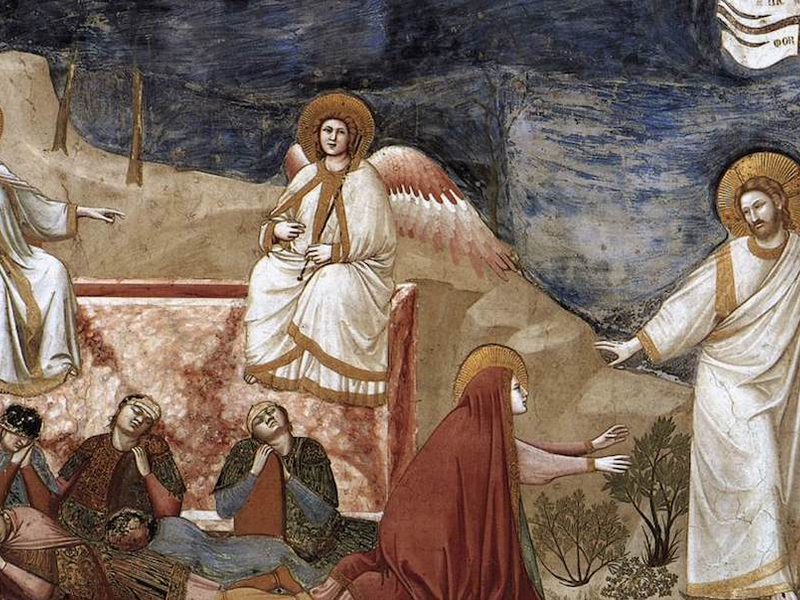
Click HERE for Part 2 The voice of Jesus transforms and changes Mary when she hears him speak her name. This is her last “turning.” So also the woman in the Song of Songs longs to hear the voice of her beloved. Let me see your face, let me hear…

by Jeff MeyersApril 6, 2015
giotto-noli-me-2
John

The Gardener and the Beloved, (Part 2)

Click HERE for Part 1. The details of this story call the attentive reader back to the drama of Solomon’s Song of Songs. And the Song of Song’s alludes to, ties us into the story of Adam and Eve in the Garden and the promise of a coming Messiah that…

by Jeff MeyersApril 4, 2015
easter-term-2015-2
Theopolis News

Easter Term, 2015

“The course was a paradigm shift for me,” said Jonathan Sedlak, a Milwaukee electrical contractor who attended Theopolis’s course on Revelation. “I am left with a book that is far more practical than it has ever seemed before.” Jonathan Anderson of Louisville, Kentucky found the course “refreshing.” “I finished with…

by TheopolisApril 2, 2015
psalm-singing
Genesis

Worship as Response: Liturgical Logic, (Part 1)

“It is only by participation in a rational, practice-based community that one becomes rational.” – Alasdair MacIntyre It may be perfectly clear to a chef why adding unsifted powdered sugar to a hot frosting is a bad idea. But for an amateur cook, this may be the kind of rule…

by Jonathan BarlowApril 2, 2015
giotto-noli-me
John

The Gardener and the Beloved, (Part 1)

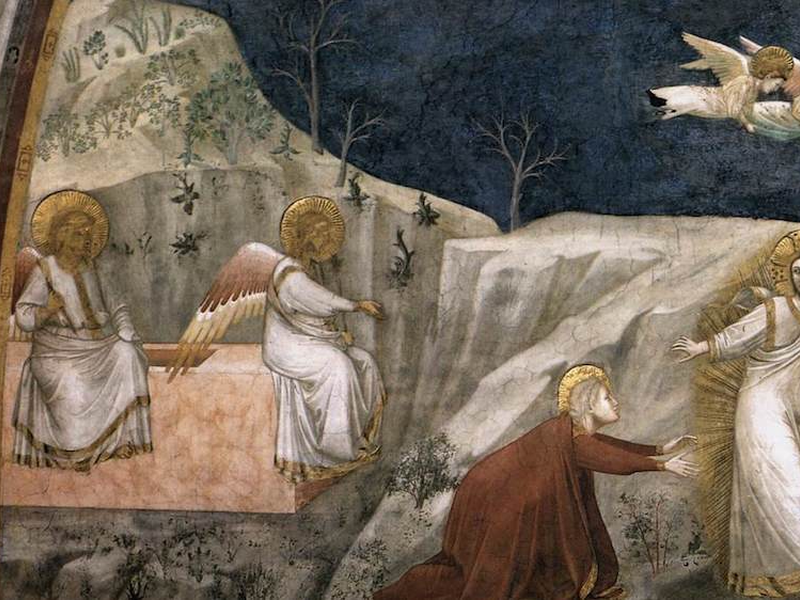
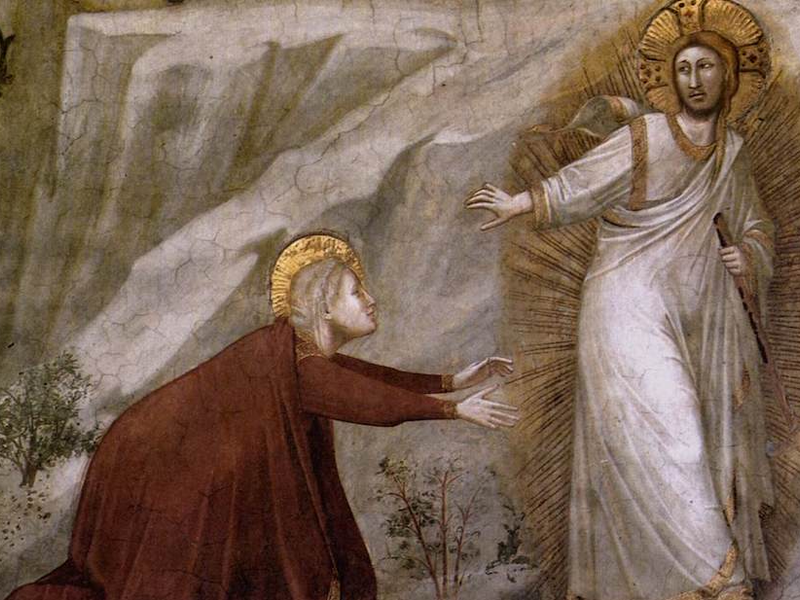
On a fresco in a chapel in Padua, Italy, there is a famous painting depicting the dramatic post-resurrection scene in John 20 with Mary and Jesus outside of the garden tomb. Giotto di Bondone painted it in the early 14th century. Jesus is striding from the tomb with a victor’s…

by Jeff MeyersApril 1, 2015

Showing page 156 of 309

See all
See all

In Defense of Kitsch

W e should, Paul Griffiths says ( Decreation , 324–5), be careful about the aesthetic judgments we make: “every human creature's formation in the discernment and delight in beauty is different, and because each of us is badly damaged with respect to our capacity to make reliable judgments about the…

April 16, 2015

The Materiality of Hell

As recorded in the supplement to the Summa , Thomas Aquinas teaches that the damned will rise again with bodies and will be tormented in hell corporeally. This leaves open questions about the materiality of the various biblical descriptions of those torments, and in question 97 of the supplement, Thomas…

April 16, 2015

Epistemo-technics

In his Organizing Enlightenment , Chad Wellmon explains how the modern research university was a response to a crisis of “information overload.” The Enlightenment saw an explosion of new knowledge and research. The Enlightenment empire of erudition was a bookish empire. Philosophes imagined they could provide a unified account of…

April 16, 2015

Essence, Energies, and the Presence of God

If the infinite God is to be present within a finite creation, writes David Bentley Hart ( Beauty of the Infinite , 204), “the finite must . . . become ever more open, ever greater and more capacious . . . ; and creaturely mutability allows for this.” Hart is…

April 15, 2015

Father of Reconstructionism

T he name of R.J. Rushdoony, the polymathic Reformed theologian, historian, and activist, has appeared with increasing frequency in accounts of the religious right. There is a small industry in screeds warning of the dire threat of theocracy, and Rushdoony plays the role of the father of all theocrats. It's…

April 15, 2015

Sabbath Joy

The prophecy of Habakkuk closes with a lovely poem of joy in the midst of adversity and lack (Habakkuk 3:17-19). The poem opens with six lines that describe the barrenness of the land. It is a nihil-land; the Hebrew negative lo' occurs twice (“fig tree does not blossom”; “the field…

April 15, 2015

Showing page 439 of 2212

Browse by Category

In Medias Res

Your weekly digest for all things Theopolis.

Donate

Theopolis is nearly 100% donor-supported. Consider joining us on our mission.