Theopolis Logo

Writing

Explore our collection of theological essays, biblical studies, and reflections on faith and culture.

See all
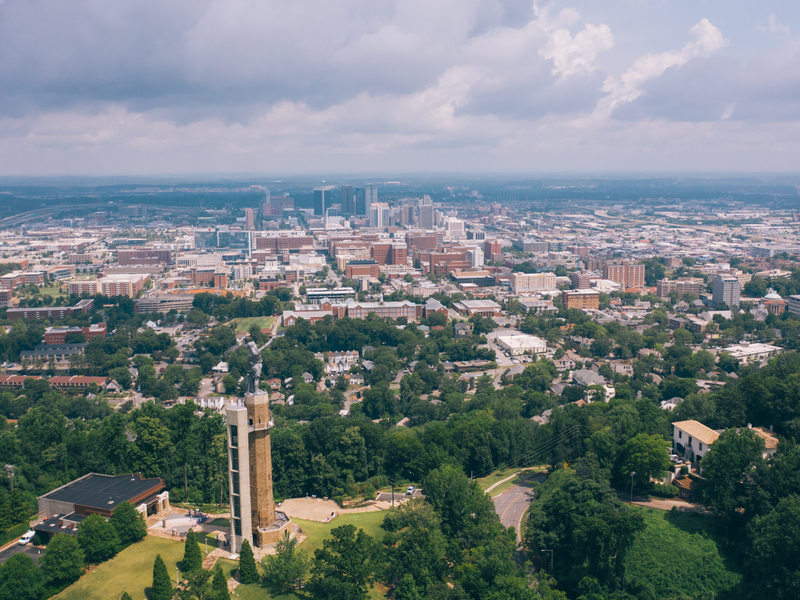
bhm-skyline-2
Ecclesiology

Reformed Catholicity in the Bible Belt

I grew up on the north side of Chicago. My parents were evangelicals and I was raised in the faith. I graduated from a large public high school in which practicing Christians were very few and very far between (though nominal Roman Catholics and Eastern Orthodox were in abundance), which…

by Rich LuskMay 26, 2014

briana-tozour-mrfapsuyy8a-unsplash
Ecclesiology

Reformational Catholicism Now, (3)

During the recent round table discussion on the future of Protestantism , Peter Leithart advocated a much greater degree of unity in the Church than we presently enjoy. Another participant in the discussion wondered aloud how Leithart's vision would be different from the ministerial associations that presently exist in many…

by Tim NicholsMay 21, 2014
karsten-wurth-imegmbunara-unsplash
Ecclesiology

Church Unity Starts at Home

"But he, wanting to justify himself, said, 'And who is my neighbor?' And Jesus said to him, 'First, your neighbors are the people in your church, then the ones with whom you enjoy greatest doctrinal or ecclesiastical commonality, then those with whom you enjoy less commonality.'" -Said Jesus... never Since…

by Joe AndersonMay 19, 2014
sinitta-leunen-dvibhmzsy8e-unsplash
Ephesians

Glory and Unity

A number of years ago, I came across something in the Puritan Thomas Goodwin in regard to John 17:22. Goodwin points out that Jesus prays that they (the disciples) might be given the glory of the Father as a means to an end. The end is unity, and the means…

by Richard BledsoeMay 14, 2014
channel-82-urfja47nuhu-unsplash
Catholicism

Reformational Catholicism Now, (2)

In her prize-winning book, Gilead , Marilynne Robinson uses the pastoral settings of Iowa to challenge ministers to live up to their high callings. One of the most powerful themes in the novel is the pastor’s power to “bless.” The tension in the novel builds as we watch Rev. Ames…

by Tom ClarkMay 12, 2014
e99a1883
Catholicism

Reformational Catholicism Now (1)

One of the few glaring errors of the Protestant Reformers was the failure to welcome children back to the Lord's Table. Something that seems to go along with this was the exclusion of other kinds of Christians, primarily Roman Catholics, from Holy Communion in Protestant churches. Exclusion of Roman Catholics…

by James B. JordanMay 7, 2014

Showing page 174 of 309

See all
See all

Why Now?

Jesus prayed that the church's unity would reflect the unity of the Father and Son. Paul urged the Ephesians to cultivate the virtues of peace that would express the sevenfold unity of the church (Ephesians 4). That demand is a perennial one. But we've been divided for a long time.…

March 12, 2015

Fragile Fruitfulness

Israel is a vine, transplanted from Egypt (Psalm 80; Isaiah 5). She exists to produce wine that gladdens the hearts of men. Israel is the Dionysian people. Ezekiel brings out another dimension of the vine image: “Son of man, how is the wood of the vine better than any wood…

March 12, 2015

Judgment to the Corners

The oracle of judgment in Ezekiel 14:12-23 is structured as a fourfold judgment: sword, famine, beasts, plague (v. 21). The descriptions of judgment are laid out in four paragraphs that use repetitive, stereotyped language. Throughout, Yahweh says that even the intercession of Noah, Daniel, and Job could not rescue Judah…

March 12, 2015
Fairy Tales

The Political Economy of Fairy Tales

In a TLS review of several recent books on fairy tales, Fracesca Wade points to the political context and economic setting of early folk and fairy tale collections. Inspired by Herder, the Grimms, she observes, intended to recover Germanitas by study of natural German poetry: “Although the brothers drew widely…

March 12, 2015

Remembering the Present

In his Deja Vu and the End of History , Italian philosopher Paolo Virno explores the phenomenology of memory, especially in its relation to philosophies of history. The deja vu of the title isn't a metaphor; following Henri Bergson, Virno argues that it represents “the untrammelled extension of memory's jurisdiction,…

March 11, 2015

Potential, Act, and Violence

Paolo Virno ( Deja Vu and the End of History ) observes that potential and act occur simultaneously. Take language: “The language faculty irrupts into becoming in concomitance with the phrase that I am speaking. It appears precisely now, as I speak, neither before nor afterwards: but, note, right now…

March 11, 2015

Showing page 453 of 2212

Browse by Category

In Medias Res

Your weekly digest for all things Theopolis.

Donate

Theopolis is nearly 100% donor-supported. Consider joining us on our mission.