Theopolis Logo

Writing

Explore our collection of theological essays, biblical studies, and reflections on faith and culture.

See all
cloister

Gatekeepers

1 Chronicles 9:1 seems to bring the genealogies of 1 Chronicles to an end. The Chronicler has recorded the genealogy of the human race from Adam, focusing on the descendants of Abraham through Jacob. Summing it all up, he says, “So all Israel was enrolled by genealogies; and behold, they…

by Peter LeithartJune 21, 2016
trinity-1-2
Trinity

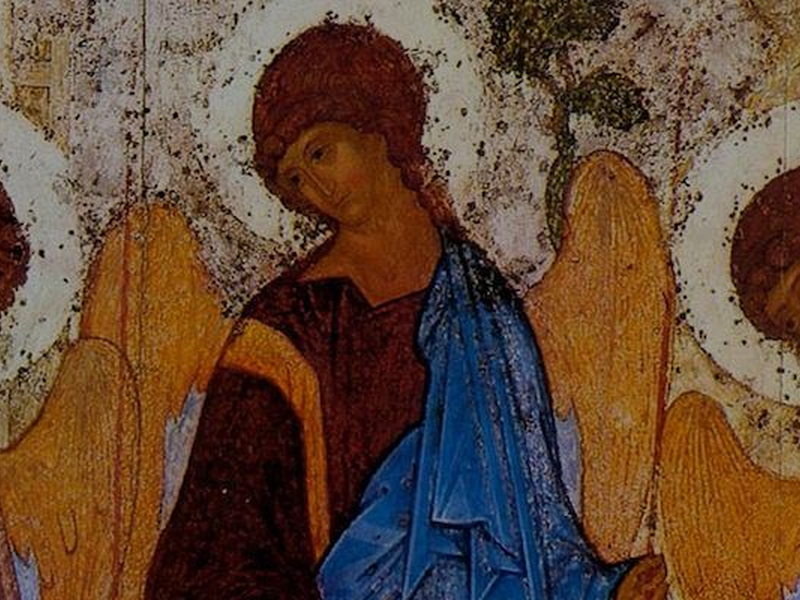
Are the Divine Persons Persons?

The “personalist” understanding of the Trinity, articulated most influentially in the work of John Zizioulas, has fallen on hard times. Recent scholars have attacked Zizioulas’s idea that Cappadocian Trinitarianism represented an ontological revolution, hammering on the distinction between divine and human personhood. Michel Barnes’s conclusion is the most drastic of…

by Peter LeithartJune 16, 2016
img_4660-2
Architecture

On Biblical Theology

Biblical Theology is often defined as the historical unfolding of God’s revelation, or of God’s revelation and of the history of his covenantal redemption and transformation of humanity and the world. In practice, Biblical Theology is usually broader than this, and also includes the study of literary structure and of…

by James B. JordanJune 14, 2016
laughing_statue_by_xxbobbiie-d5f0meh-2
Humor

Wise Laughter

We are made to be happy. Created to enter into the eternal joy of God, our whole being inclines to that end, but the fallen world has put forth barriers and by our own sin we bar ourselves from that endless delight, and death blinds us to that reality. Yet…

by Remy WilkinsJune 7, 2016
img_7664
Liturgy

Why Theopolis? Take Two

At the end of Revelation, John sees the heavenly city descending to earth. The city shines with the brilliance of God's glory, which lightens the nations, so that kings bring their glory to the city. This is not a vision of the final new heaven and new earth. It's a…

by Peter LeithartJune 2, 2016
trinity-1-2
Attributes of God

How Can We Talk About God?

“No one has ever seen God,” writes John (John 1:18). If this is the case, then how can we speak about God? Some people say we actually cannot. Or at least we cannot speak about God positively, i.e. who He is. We can only say who or what God is…

by Bogumil JarmulakMay 31, 2016

Showing page 130 of 309

See all
See all
Reformation

Wittenberg Discord

One of the most impressive feats of Reformation ecumenism was the Wittenberg Concord of 1536, signed by Capito, Bucer, and Musculus on the Reformed side and Luther and Melanchthon, among others, on the Lutheran side. Luther admitted that the two groups diverged on various details, but declared, in a deeply…

March 2, 2015

Imperial Commune

In his Revelation of St. John the Divine (171), GB Caird offers this bit of history to illuminate the significance of the beast from the land (Revelation 13:11-18): “In the province of Asia the imperial cult was in the hands of a body known in Greek as the koinon and…

February 28, 2015

Confessionalization and Investiture

Scott Manetsch’s Calvin’s Company of Pastors is a rich contribution to the history of pastoral theology and care in the Reformation era. If you want a detailed, vivid portrait of the training and selection of Geneva’s pastors, their weekly schedules, the liturgies they performed and the resources they had available…

February 27, 2015

Temptation of Tribalism

America is abandoning the last remnants of our historic Christian foundations. This is most obvious in law, where specifically Christian claims are ruled unConstitutional precisely because they are Christian claims. It’s evident in the universities and among intellectual elites, who cannot make sense of a theological argument that claims to…

February 27, 2015

Sectarian Rome

It was a well-nigh universal trope of Reformation rhetoric that the Reformers were the catholics who had to defend orthodoxy and catholicity against the sectarianism of the Roman church. Luther disputed the Catholic claim that obedience to Rome was the definition of catholicity, and disputed it on the basis of…

February 26, 2015

Communitarian Puritan

William Perkins is known mainly among Reformed Christians with an affinity for the Puritans. It’s refreshing to have now W.B. Patterson’s substantial monograph on Perkins’s life and theology, published last year by Oxford. After setting the stage with a chapter on the Elizabethan religious settlement, Patterson examines Perkins as “apologist…

February 26, 2015

Showing page 458 of 2212

Browse by Category

In Medias Res

Your weekly digest for all things Theopolis.

Donate

Theopolis is nearly 100% donor-supported. Consider joining us on our mission.