Theopolis Logo

Writing

Explore our collection of theological essays, biblical studies, and reflections on faith and culture.

See all
cloister

Gatekeepers

1 Chronicles 9:1 seems to bring the genealogies of 1 Chronicles to an end. The Chronicler has recorded the genealogy of the human race from Adam, focusing on the descendants of Abraham through Jacob. Summing it all up, he says, “So all Israel was enrolled by genealogies; and behold, they…

by Peter LeithartJune 21, 2016
trinity-1-2
Trinity

Are the Divine Persons Persons?

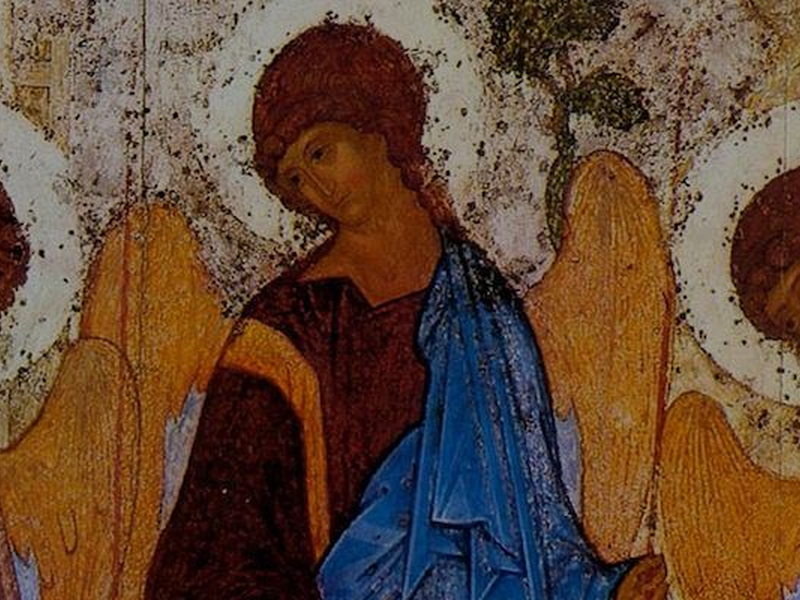
The “personalist” understanding of the Trinity, articulated most influentially in the work of John Zizioulas, has fallen on hard times. Recent scholars have attacked Zizioulas’s idea that Cappadocian Trinitarianism represented an ontological revolution, hammering on the distinction between divine and human personhood. Michel Barnes’s conclusion is the most drastic of…

by Peter LeithartJune 16, 2016
img_4660-2
Architecture

On Biblical Theology

Biblical Theology is often defined as the historical unfolding of God’s revelation, or of God’s revelation and of the history of his covenantal redemption and transformation of humanity and the world. In practice, Biblical Theology is usually broader than this, and also includes the study of literary structure and of…

by James B. JordanJune 14, 2016
laughing_statue_by_xxbobbiie-d5f0meh-2
Humor

Wise Laughter

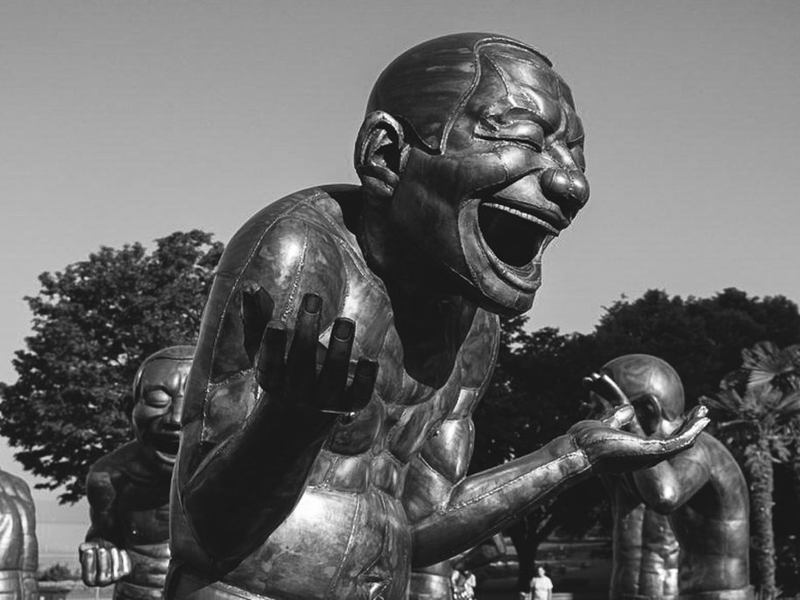
We are made to be happy. Created to enter into the eternal joy of God, our whole being inclines to that end, but the fallen world has put forth barriers and by our own sin we bar ourselves from that endless delight, and death blinds us to that reality. Yet…

by Remy WilkinsJune 7, 2016
img_7664
Liturgy

Why Theopolis? Take Two

At the end of Revelation, John sees the heavenly city descending to earth. The city shines with the brilliance of God's glory, which lightens the nations, so that kings bring their glory to the city. This is not a vision of the final new heaven and new earth. It's a…

by Peter LeithartJune 2, 2016
trinity-1-2
Attributes of God

How Can We Talk About God?

“No one has ever seen God,” writes John (John 1:18). If this is the case, then how can we speak about God? Some people say we actually cannot. Or at least we cannot speak about God positively, i.e. who He is. We can only say who or what God is…

by Bogumil JarmulakMay 31, 2016

Showing page 130 of 309

See all
See all

Bestial Covenant

The sea beast wages war against the saints (Revelation 13:7), assisted by the land beast (13:11-15), also known as the “false prophet” (16:13; 19:20; 20:10). That the land beast is a prophet gives us a big clue to what’s happening. Prophets end and initiate covenants; prophets are the sacred architects…

February 5, 2015

Thigh of the Peace Offering

In the Levitical law, the priests received two particular portions of each peace offering: the “wave offering” of the breast and the “heave offering” (or better, “contribution”) of the right thigh. The purpose of this essay is to attempt to determine the reason why the second of these, the thigh,…

February 5, 2015

Youthening

Robert Pogue Harrison glances at his father’s college yearbook and finds that “twelve-year-old boys looked like little adults, their faces furrowed by the depths of time” ( Juvenescence , x). We’re younger now: “the first-world face of today remains callow, even as it withers away with age, never attaining the…

February 5, 2015

Neoteny

Neoteny comes from two Greek words, “new” and “hold.” As Robert Pogue Harrison defines it ( Juvenescence , 18), evolutionary biology speaks of neoteny as the “persistence of fetal, larval, or juvenile features in adult organisms.” Harrison means something more broader, “a modified type of development that brings juvenile traits…

February 5, 2015

Structure and Style in Revelation 13

John’s description of the land beast and his work in Revelation 13:11-15 is organized in a fairly neat chiasm: A. Another beast like a lamb, speaking as a dragon, 13:11 B. He has the authority of the first beast, 13:12a C. He makes land-dwellers worship the first beast, who was…

February 4, 2015

UnProtestant Protestants

Robert McAfee Brown summarizes The Spirit of Protestantism as “an openness to the judging and renewing activity of the living God made known in Jesus Christ.” It’s a willingness to “submit to the corrective activity of God,” and “to live at risk.” Protestantism claims that it’s only in “constant renewal…

February 4, 2015

Showing page 467 of 2212

Browse by Category

In Medias Res

Your weekly digest for all things Theopolis.

Donate

Theopolis is nearly 100% donor-supported. Consider joining us on our mission.