Theopolis Logo

Writing

Explore our collection of theological essays, biblical studies, and reflections on faith and culture.

See all
trnava-university-beeyeib-am8-unsplash
Biblical Horizons

Puritans v. Reformed Worship: (Part Two of a Book Chapter Review)

Continuing through The Worship of the English Puritans by Horton Davies: The author gives some of his own appraisals rather than immediately quoting Durel, even though that is how he began his chapter. In Davies’ opinion, while the Puritans would invoke their own interpretation of Scripture in order to condemn,…

by Mark HorneFebruary 9, 2008
kelly-sikkema-gpoh17dxqdm-unsplash
Ephesians

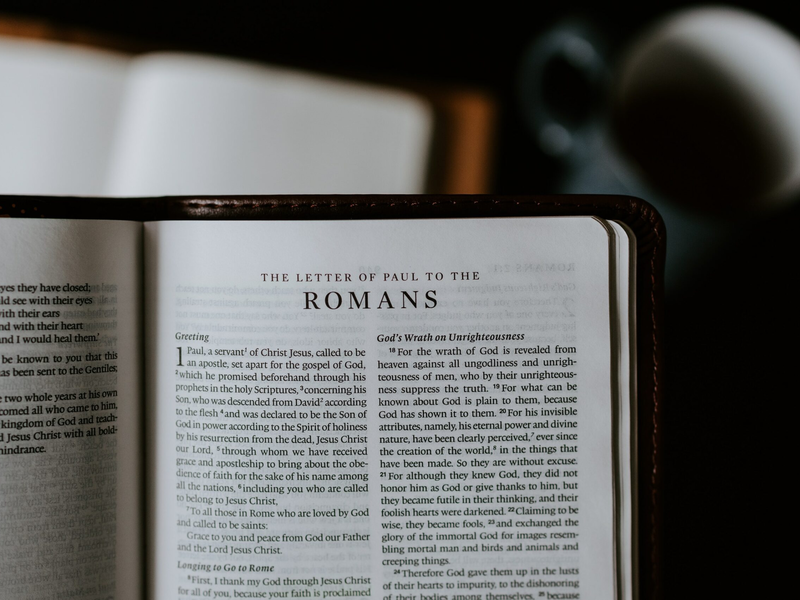
Luther Should Have Inserted “Alone” a Second Time in Romans

What follows are from a couple of posts on my blog. I hoped to do a series. If I do follow up, I will probably want to do it here on the BH blog rather than my own. Feedback welcome: It is no secret that some have been scathingly critical…

by Mark HorneFebruary 9, 2008

jim-jordan-teaching-2
Baptism

Jesus’ Baptism and ours

Jeremy Sexton wrote this in an earlier line of discussion: “Along those lines, I think what we most often miss in our theology of baptism (though Calvin didn’t miss this) is that Christian baptism — if it “is” anything that came before — is Jesus’ water baptism. In our baptism,…

by James B. JordanFebruary 8, 2008
sixteen-miles-out-d40gdcd_-he-unsplash
Numbers

Israel was not (all of) the Church

Jeff pointed out that baptism is not Christian circumcision . Looking at the comments, I think it might be helpful to point out that Israel was not the Church . In the new creation, the idea of an “unbaptized Christian” is either very temporary or an anomaly. Those who came…

by Mark HorneFebruary 6, 2008
aaron-burden-h8s0pf2rcqs-unsplash
Parables

Parables, Part I

Once a upon a time, one Sunday morning, a pastor mounted his pulpit for the sermon and said the following: A troubled young man walked into a downtown high-rise building. As he approached the directory on the wall, he took out a small booklet and looked back and forth from…

by Jeff MeyersFebruary 5, 2008
sixteen-miles-out-al48tflf4e8-unsplash
Exodus

What is a Prophet? (Friendship and Justification)

If you are, say, leading a Bible study in Genesis, you might notice that right after the covenant is renewed and circumcision is established (ch 17) that we see Abraham eating and drinking with God (ch 18). After that meal, God makes a point of saying the he should share…

by Mark HorneFebruary 3, 2008

Showing page 216 of 309

See all
See all

Soldiers, Martyrs, Choristers

The numbering of the sealed in Revelation 7 alludes to the census events of the book of Numbers. There, Moses initially numbers men twenty years and older, mustering them as the troops that will conquer the land. (The second census, in Numbers 26, includes women and has a different focus.)…

November 26, 2014
Trinity

Are the Divine Persons Persons?

The “personalist” understanding of the Trinity, articulated most influentially in the work of John Zizioulas, has fallen on hard times. Recent scholars have attacked Zizioulas’s idea that Cappadocian Trinitarianism represented an ontological revolution, hammering again and again the distinction between divine and human personhood. Michel Barnes’s conclusion is the most…

November 26, 2014
Theology

Protestant Eyes

Protestant soteriology claims to deal with perennial patterns of behavior and belief: Striving for approval from God by our performance, self-righteousness, works-righteousness, pride in our achievements, etc. Let’s grant that these are perennial patterns of behavior, though they will likely take various forms in different cultural settings. That’s not just…

November 25, 2014

Paul and the Petty Tyrants

Theodore Jennings ( Transforming Atonement , 158) observes that “what is visible on the grand scale of imperial political history also lodges itself in the dynamics of quite small-scale communities, including those that may seem to be, and may think of themselves as, and may even in important respects actually…

November 25, 2014

The Grounds of Justification

Markus Barth ( Acquittal by Resurrection ) sharply raises the question of the justice of God’s verdict of justification. How can God pronounce the guilty innocent, the ungodly righteous? Barth raises the stakes by insisting that the justice should be evident to all: “If after the proclamation of a verdict,…

November 25, 2014

The Liturgical Formation of Culture

Over at the Theopolis Institute site , I offer some reflections on the liturgical formation of culture through a consideration of the biblical anatomy of human action.

November 25, 2014

Showing page 494 of 2212

Browse by Category

In Medias Res

Your weekly digest for all things Theopolis.

Donate

Theopolis is nearly 100% donor-supported. Consider joining us on our mission.