Theopolis Logo

Writing

Explore our collection of theological essays, biblical studies, and reflections on faith and culture.

See all
cloister

Gatekeepers

1 Chronicles 9:1 seems to bring the genealogies of 1 Chronicles to an end. The Chronicler has recorded the genealogy of the human race from Adam, focusing on the descendants of Abraham through Jacob. Summing it all up, he says, “So all Israel was enrolled by genealogies; and behold, they…

by Peter LeithartJune 21, 2016
trinity-1-2
Trinity

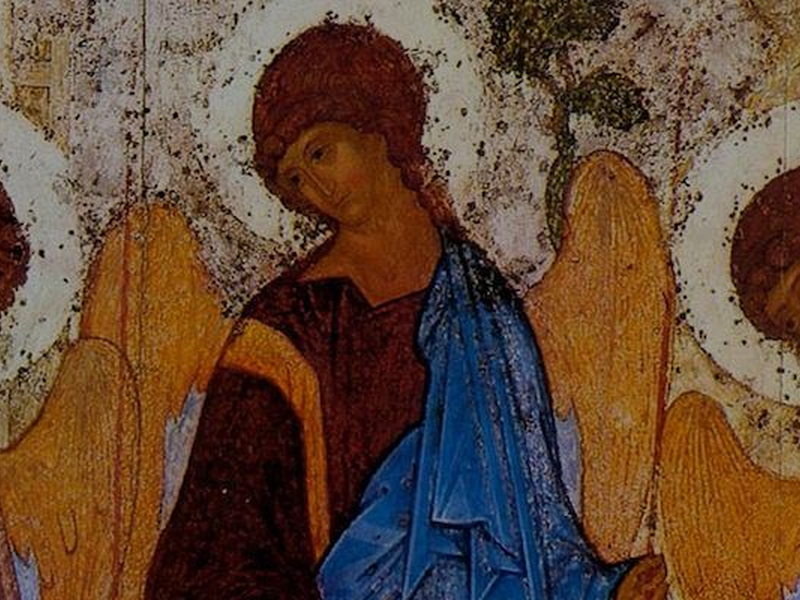
Are the Divine Persons Persons?

The “personalist” understanding of the Trinity, articulated most influentially in the work of John Zizioulas, has fallen on hard times. Recent scholars have attacked Zizioulas’s idea that Cappadocian Trinitarianism represented an ontological revolution, hammering on the distinction between divine and human personhood. Michel Barnes’s conclusion is the most drastic of…

by Peter LeithartJune 16, 2016
img_4660-2
Architecture

On Biblical Theology

Biblical Theology is often defined as the historical unfolding of God’s revelation, or of God’s revelation and of the history of his covenantal redemption and transformation of humanity and the world. In practice, Biblical Theology is usually broader than this, and also includes the study of literary structure and of…

by James B. JordanJune 14, 2016
laughing_statue_by_xxbobbiie-d5f0meh-2
Humor

Wise Laughter

We are made to be happy. Created to enter into the eternal joy of God, our whole being inclines to that end, but the fallen world has put forth barriers and by our own sin we bar ourselves from that endless delight, and death blinds us to that reality. Yet…

by Remy WilkinsJune 7, 2016
img_7664
Liturgy

Why Theopolis? Take Two

At the end of Revelation, John sees the heavenly city descending to earth. The city shines with the brilliance of God's glory, which lightens the nations, so that kings bring their glory to the city. This is not a vision of the final new heaven and new earth. It's a…

by Peter LeithartJune 2, 2016
trinity-1-2
Attributes of God

How Can We Talk About God?

“No one has ever seen God,” writes John (John 1:18). If this is the case, then how can we speak about God? Some people say we actually cannot. Or at least we cannot speak about God positively, i.e. who He is. We can only say who or what God is…

by Bogumil JarmulakMay 31, 2016

Showing page 130 of 309

See all
See all

Rahab

Andrzej Toczyski's The "Geometrics" of the Rahab Story offers an insightful, multi-layered close reading of Joshua 2. His syntactical analysis of the chapter examines the features of the text that steer the reader's involvement in the story. His aim is to show how Joshua has been and is a "vehicle…

July 6, 2018

Crazy Talk on China

David Goldman is a conservative and a patriot, and is not given to hyperbole. But he describes the current US attitude toward Chinas a "xenophobic" and "ugly," and accuses fellow conservative Victor Davis Hanson of "crazy talk" about China. In response to Trump's tariffs on Chinese goods, "Chinese officials are…

July 5, 2018

Paul's Theology of Glory

Haley Goranson Jacob's Conformed to the Image of His Son is an exploration of Paul's theology of glory. Jacob's focus is on the meaning of the phrase in her title, drawn from Romans 8. She finds the several common interpretations of the phrase wanting: Conformity to the Son isn't physical…

July 3, 2018

Bloomsbury in a Secular Age

The late nineteenth and early twentieth centuries witnessed, Charles Taylor argues, the development of the "nova." At that time, "the alternatives open to unbelief are multiplied and enriched." After World War II, these options are diffused to the whole of Western societies, and this produces a "super-nova" ( A Secular…

July 2, 2018

Postmodern Times

In his contribution to The Future of Hope , John Milbank offers a description of postmodernity and suggests ways for the church to respond. Postmodernism may be a thing of the past; we're supposed to be in post-postmodernity nowadays. Still, much of what Milbank describes is still with us, and…

June 28, 2018

Empty Name

The Third Word assumes that we carry the Lord’s name. What it prohibits is bearing, carrying, or lifting that name “in vain” or “emptily.” The word can mean “false,” and bearing the name “falsely” is one of the sins that the Lord prohibits here. That does involve speech. This phrasing…

June 27, 2018

Showing page 66 of 2212

Browse by Category

In Medias Res

Your weekly digest for all things Theopolis.

Donate

Theopolis is nearly 100% donor-supported. Consider joining us on our mission.