Theopolis Logo

Writing

Explore our collection of theological essays, biblical studies, and reflections on faith and culture.

See all
screen-shot-2021-03-02-at-10-31-45-am
Marriage

Eating the Meat, or Inviting Colonization?

One common trope which is regularly invoked in current debates about the defensibility versus the danger of Christian engagement with critical theories (or, species of Critical Theory) is the idea of “ eating the meat but spitting out the bones .” Usually not far behind is a nod to the…

by James WoodMarch 2, 2021

screen-shot-2021-02-25-at-10-59-54-am
Proverbs

Proverbial Eschatology

I am writing about the book of Proverbs in the Bible and “Eschatology.” I don’t refer only to the end of time, or “last things” that will happen in history before it ends as we know it. I am referring to all times of God’s judgment wherein He ends an…

by Mark HorneFebruary 25, 2021
maxresdefault
Augustine

Primacy of Worship for Political Unity

“Unity” is the word of the day. In his inaugural address, Joe Biden invoked St. Augustine to inspire Americans to come together around certain shared values. As others have recently argued, Biden misreads Augustine in important ways. My argument here is that if we seek political unity and civic health…

by James WoodFebruary 23, 2021
arseny-togulev-apq9q5pkits-unsplash
Matthew

Jesus, the Temple Tax and Four-Fold Atonement

This is part two of a series which began here ( The Half Shekel Temple Tax ) in which I answer back, hoping not to rebut but to glorify, some observations Peter Leithart made in a thought-provoking piece about the Temple Tax as atonement ( Atonement Money ). Adding economic…

by Jerry BowyerFebruary 16, 2021
simple-frame-photography-studio-facebook-cover
American Culture

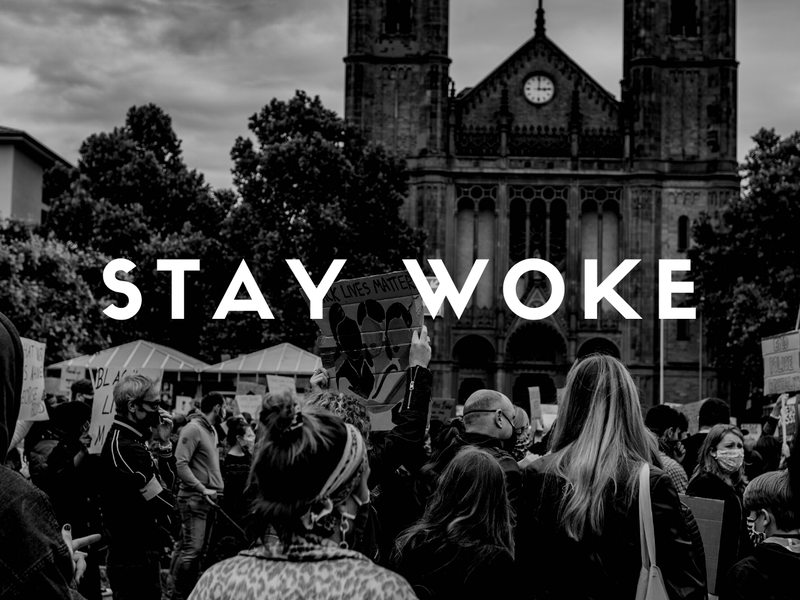
Wokeness as Post-Protestant Neopaganism

It is now commonplace to characterize Wokeness (or “ Wokeism ”) as a religion , or at least religion-like . What I would like to explore is an elaboration on this emergent consensus, supplementing it with some theological analysis. Wokeness, I propose, is a form of post-Protestant neopaganism. It resembles…

by James WoodFebruary 9, 2021
960x0
Movies

Alien 3: Through New Eyes

Science Fiction movies often retell old stories and myths with greater impact for modern people. A being from another world or a technologically advanced human can embody an ancient god or demon and viewers are suddenly unwittingly enthralled by Ur tales that emerged from hundreds of years of human experience.…

by Jacob GuckerFebruary 2, 2021

Showing page 58 of 309

See all
See all

Ahab in Micah

A student, Luke Nieuwsma, pointed out several references to Ahab in the prophecy of Micah. Micah 2:1-2 condemns those who covet fields and take them by violence, as Ahab did to Naboth; 6:15 is an explicit allusion to Omri and Ahab; and the “she” who is trampled like mud sounds…

December 12, 2006

Sermon Notes, Third Sunday of Advent

INTRODUCTION Modern Christians instinctively spiritualize the story of the gospel. When Jesus is called “King of the Jews,” we think that refers to His “spiritual” kingdom. Herod didn’t think so. Herod knew that Jesus’ birth was a threat to his power. THE TEXT “Now after Jesus was born in Bethlehem…

December 11, 2006

Eucharistic meditation, Second Sunday of Advent

Psalm 23:1: The Lord is my Shepherd; I shall not want. At Jesus’ birth, shepherds come to worship Him because He is the chief Shepherd. He is Shepherd Yahweh in human flesh. He is the Shepherd of Israel. He is the Davidic king who will shepherd His people with skillful…

December 10, 2006

Exhortation, Second Sunday of Advent

As we’ll see in the sermon this morning, in the Bible a “shepherd” is a king. Shepherds lead, guide, rule, control, feed, discipline, and judge their sheep. To say that Jesus is the Good Shepherd is to say He’s king of His people, king of all. Jesus’ kingship is not…

December 10, 2006

Lacan’s style again

Terry Eagleton puts it this way: “for Lacan all discourse is, in a sense, a slip of the tongue: if the process of language is as slippery as he suggests, we can never mean precisely what we say, or say precisely what we mean. Meaning is always in some sense…

December 7, 2006

Lacan’s style again

Terry Eagleton puts it this way: “for Lacan all discourse is, in a sense, a slip of the tongue: if the process of language is as slippery as he suggests, we can never mean precisely what we say, or say precisely what we mean. Meaning is always in some sense…

December 7, 2006

Showing page 1754 of 2212

Browse by Category

In Medias Res

Your weekly digest for all things Theopolis.

Donate

Theopolis is nearly 100% donor-supported. Consider joining us on our mission.