Theopolis News
Constantine the Pious
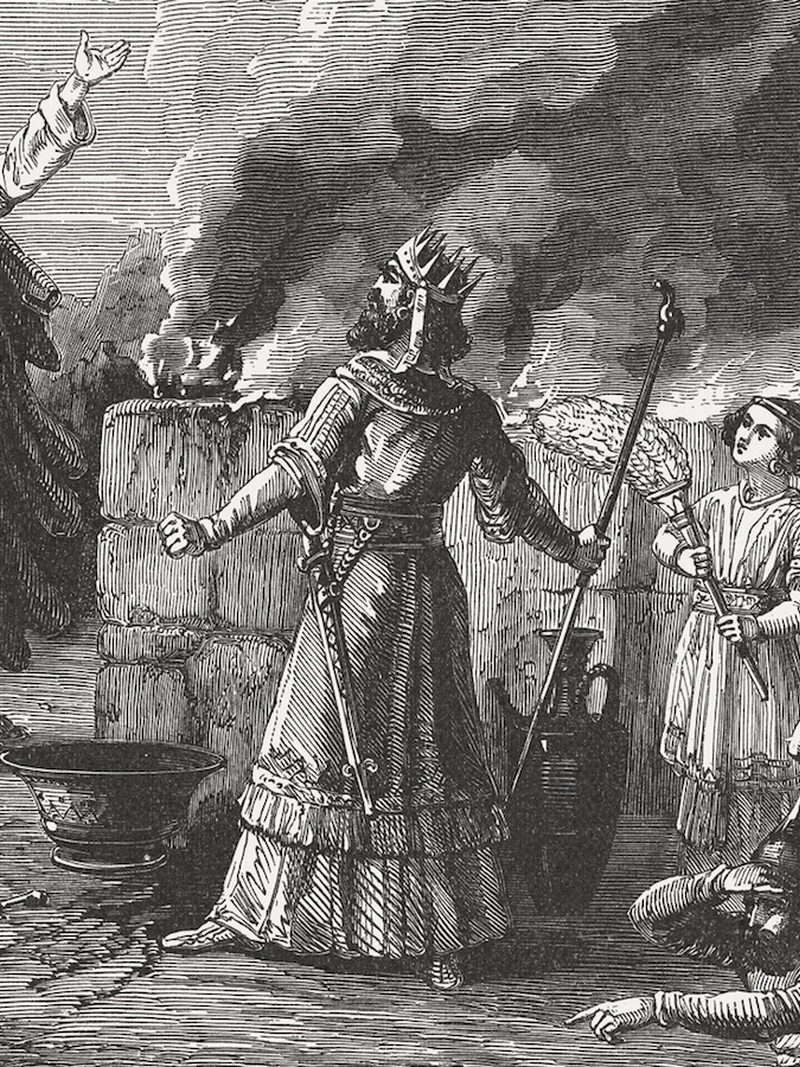
Trinity House President Peter Leithart will deliver a lecture on "Constantine the Pious" at Oregon State University, Wednesday, October 30, at 7:00 PM.
by Peter LeithartOctober 29, 2013
Explore our collection of theological essays, biblical studies, and reflections on faith and culture.
Trinity House President Peter Leithart will deliver a lecture on "Constantine the Pious" at Oregon State University, Wednesday, October 30, at 7:00 PM.

In his rich study, We Have Never Been Modern (Harvard 1993), Bruno Latour describes modernity in terms of a dual process of “purification” and “hybridization.” Purification involves the clean construction of a nature (and science) separated off from society and the self, while hybridization involves mixtures of nature and culture.…

In James K.A. Smith’s excellent book, Introducing Radical Orthodoxy: Mapping a Post-secular Theology , he explains recent developments in theology and philosophy among mostly post-liberal (some Catholic) theologians. As with everything Dr. Smith writes, his prose is accessible, and written with clarity and precision as he describes the contribution made…

This is the last of a three-part series. 1:14-19 – The Lights in the Firmament The fourth day is the first day where God sets out His mediators and rulers. In the celestial bodies, God sets out His mediators and rulers in the same single class of created beings. We…
Trinity House President Peter Leithart will be in Chicago this weekend lecturing on Revelation. Sign up here .
Only two more weeks to register for the Trinity House Advent class on the book of Genesis. Register before the late fees kick in!
Showing page 185 of 309
Showing page 40 of 43
Plays might be promoted as a kind of opiate of the masses: Mass entertainment that keeps them from more violent entertainments like rioting and pillaging. This could be problematic, if the entertainments were too heady for most people to follow. Thomas Heywood (1612) suggested that playwrights should “ayme . .…
How regulated was Shakespeare’s own theater? And for what reasons? Patterson highlights various reasons for closing or permitting theaters: audience composition, including the fear that a large collection of workers might be distruptive; public health; economic concerns; religious and moral concerns, especially Sabbatarian; and “a shifting and elusive imperative to…
Shakespeare’s fortunes in the US were, understandably, different from in England. Initially, Shakespeare was America’s most popular playwright, appealing to a wide sector of the American populace. Patterson notes that “by the end of the nineteenth century ‘Shakespeare’ had become a cultural icon, the property only of the ‘legitimate theater,’…
Annabel Patterson notes ( Shakespeare and the Popular Voice ) that contemporary critics, whatever their own political outlook, assume that Shakespeare was an advocate of Elizabethan hierarchy. This view, however, is a product of the 19th century. Dryden, Johnson, and others criticize Shakespeare for violating the conventions of his genre,…
By the 18th century, acting styles also invested Shakespeare with “courtly” virtues of control, dignity, stateliness. Dobson writes, “Shakespearian acting . . . in the decades following Betterton’s death in 1710, seems to have settled into a grandiloquent vein of static declamation, best exemplified by the stout James Quin (1693-1766)…
Dobson again: “after Charles II’s death in 1685 England would never again have another monarch with such an informed interest in the drama (or, mercifully, such a lascivious one), and deprived of royal patronage and protection the playhouses came under renewed attack from the moralists (led by the redoubtable clergyman…
Showing page 1785 of 2212
Your weekly digest for all things Theopolis.