Theopolis Logo

Writing

Explore our collection of theological essays, biblical studies, and reflections on faith and culture.

See all
dan-meyers-0agtpoaarte-unsplash
Matthew

Fertile Toledots

The Book of Genesis contains eleven distinct markers readily acknowledged as the toledot formula. 1 Commentator Nahum Sarna counts the ’elleh toledot to be “…one of the distinguishing characteristics of the Book of Genesis”. 2 Among translations, the noun is variously translated as “generations” (ESV, KJV), “records of the generations”…

by Ben LoveladyDecember 20, 2022

49980-nicolas_poussin_-_the_judgment_of_solomon_-_wga18330-800w-tn
Romans

Who was Judah's Wickedest King? (Kings & Romans 1:18ff)

The answer that immediately comes to mind to the question in the title is Manasseh, the son of Hezekiah. He was conceived during the extension of life that God granted Hezekiah in response to his ardent prayer on his sick bed (2 Kings 20:1-11, 21:1). His reign is summarized in…

by Mark HorneDecember 13, 2022
carlos-macias-pu0rodvqjl4-unsplash
Ecclesiology

The End of Premium Mediocre Church

Back in 2019, on a whim, I sketched out a setting for a modern fantasy story: a single coffee shop that is simultaneously present in multiple cities throughout the world: “...you know the one. Books by local authors, brochures for a walking tour of the city’s outdoor sculpture, a poetry…

by Tim NicholsDecember 6, 2022
screen-shot-2022-11-29-at-2-01-18-pm
Colossians

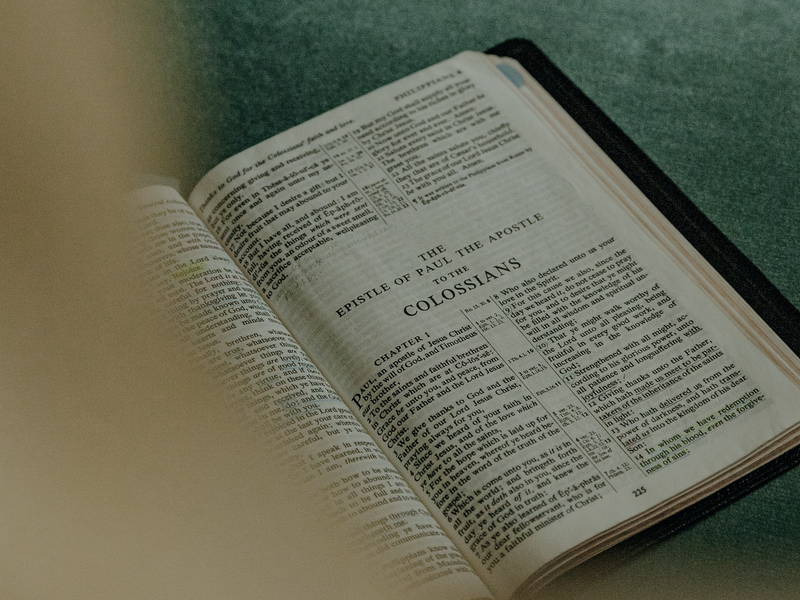
Colossians 4:2, “Watch"

Peter O’Brien’s translation of Colossians 4:2 surprised me: “Persevere in prayer as you watch for the Lord’s return, and be thankful.” 1 What is surprising about that? Well, none of my English translations mentioned “the Lord’s return” — nor does the Greek text! Translated literally, the verse just says: “In…

by Ralph Allan SmithNovember 29, 2022
cicero-denounces-catiline-painting-roman-cesare-maccari-1888
Books

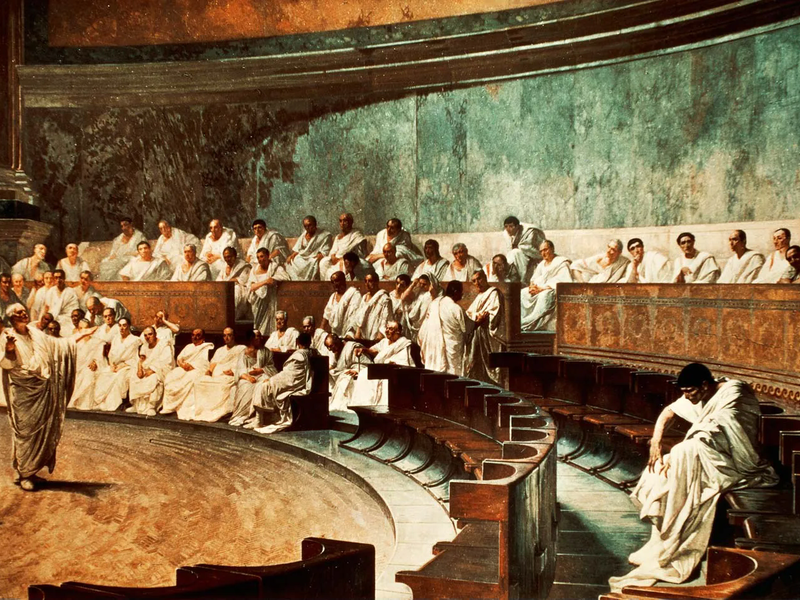
The Laws and the Cosmos: A Brief Response to Stephen Wolfe on Cicero

I Natural Law This is a brief (well, briefer than it could be) first attempt at responding to a very small section of Stephen Wolfe’s recent book The Case for Christian Nationalism . It’s partial, deeply incomplete, and does not at all address the book as a whole; it is…

by Susannah Black RobertsNovember 24, 2022
giammarco-zeh-ljawhtg-unsplash
Formation

A Bad Man Speaking Well

The scuttlebutt of the last hundred years would tell us that Albert Einstein was a horrible husband, Winston Churchill was a racist, Mother Theresa was a hypocrite, and Caravaggio a murderer. From Benjamin Britten’s boys to Gandhi’s girls, it can be depressing and confusing to hear about people of great…

by Garrett SoucyNovember 22, 2022

Showing page 37 of 309

See all
See all
Literature

The Politics of Playing

Plays might be promoted as a kind of opiate of the masses: Mass entertainment that keeps them from more violent entertainments like rioting and pillaging. This could be problematic, if the entertainments were too heady for most people to follow. Thomas Heywood (1612) suggested that playwrights should “ayme . .…

September 28, 2006
Literature

Shakespeare regulated

How regulated was Shakespeare’s own theater? And for what reasons? Patterson highlights various reasons for closing or permitting theaters: audience composition, including the fear that a large collection of workers might be distruptive; public health; economic concerns; religious and moral concerns, especially Sabbatarian; and “a shifting and elusive imperative to…

September 28, 2006
Literature

American Shakespeare

Shakespeare’s fortunes in the US were, understandably, different from in England. Initially, Shakespeare was America’s most popular playwright, appealing to a wide sector of the American populace. Patterson notes that “by the end of the nineteenth century ‘Shakespeare’ had become a cultural icon, the property only of the ‘legitimate theater,’…

September 28, 2006
Literature

Popular Shakespeare

Annabel Patterson notes ( Shakespeare and the Popular Voice ) that contemporary critics, whatever their own political outlook, assume that Shakespeare was an advocate of Elizabethan hierarchy. This view, however, is a product of the 19th century. Dryden, Johnson, and others criticize Shakespeare for violating the conventions of his genre,…

September 28, 2006
Literature

Courtly Shakespeare, IV

By the 18th century, acting styles also invested Shakespeare with “courtly” virtues of control, dignity, stateliness. Dobson writes, “Shakespearian acting . . . in the decades following Betterton’s death in 1710, seems to have settled into a grandiloquent vein of static declamation, best exemplified by the stout James Quin (1693-1766)…

September 28, 2006
Literature

Courtly Shakespeare, III

Dobson again: “after Charles II’s death in 1685 England would never again have another monarch with such an informed interest in the drama (or, mercifully, such a lascivious one), and deprived of royal patronage and protection the playhouses came under renewed attack from the moralists (led by the redoubtable clergyman…

September 28, 2006

Showing page 1785 of 2212

Browse by Category

In Medias Res

Your weekly digest for all things Theopolis.

Donate

Theopolis is nearly 100% donor-supported. Consider joining us on our mission.