Theopolis Logo

Writing

Explore our collection of theological essays, biblical studies, and reflections on faith and culture.

See all
woman-bw
Grace

Never Be Dismayed

I'm afraid of messing up. Not just of messing up in general, but of messing this up—the big This that is the story that is my life, the story that God is attempting to tell with me as His material. The question casts its shadow over all my decisions. Can…

by Leta SundetOctober 6, 2015
jesus-with-sword
Revelation

Greater Phinehas

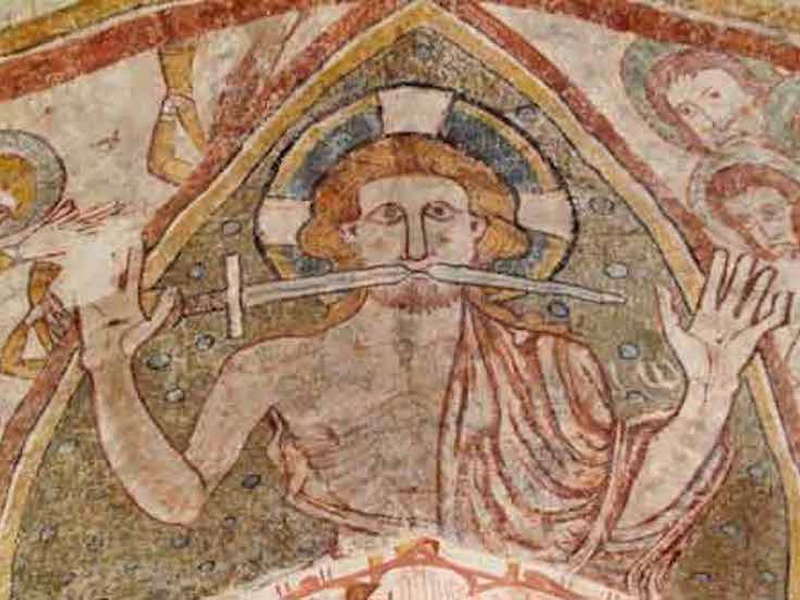
Jesus’ letter to Pergamum mentions Balaam and Balak (Revelation 2:14), and that is a signal that the whole message is running along the lines of Numbers 22-25. The death of the high priest is a sacrificial moment in the life of Israel. According to the rules of the cities of…

by Peter LeithartOctober 1, 2015
marriage
Marriage

The Glory of Self-Giving: A Wedding Homily

As you come to be joined in marriage today, I want to take a moment to focus on one important dimension of what it means to be married as Christians: that is as those who know Jesus and are being made into His likeness. This is a glorious day, full…

by Joshua AppelSeptember 29, 2015
jesus-centurion
Authority

Authority and Faith

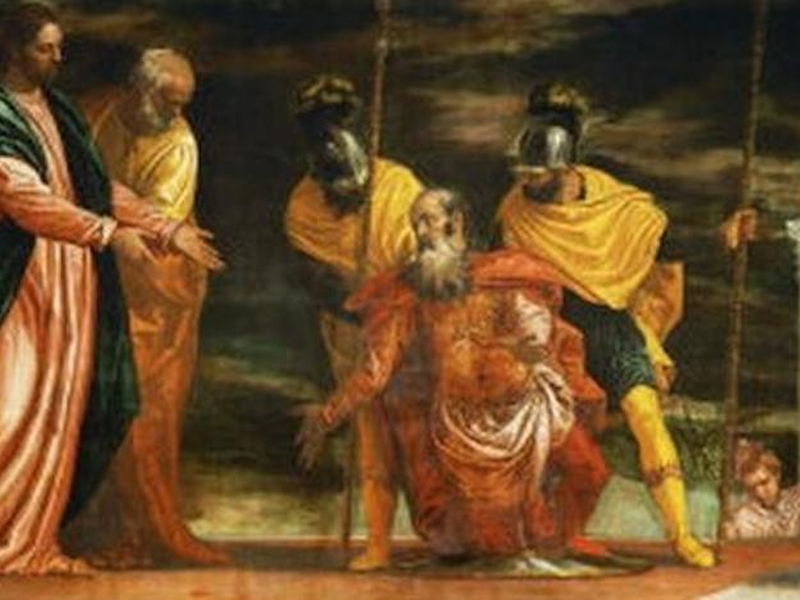
When Jesus was entered into Capernaum, there came unto him a centurion, beseeching him, saying, “Lord, my servant lieth at home sick of the palsy, grievously tormented.” Jesus saith unto him, “I will come and heal him.” The centurion answered and said, “Lord, I am not worthy that thou shouldest…

by Lindsey TollefsonSeptember 24, 2015
creation-eve-2
Genesis

The Two Shall Become One Flesh: A Wedding Homily

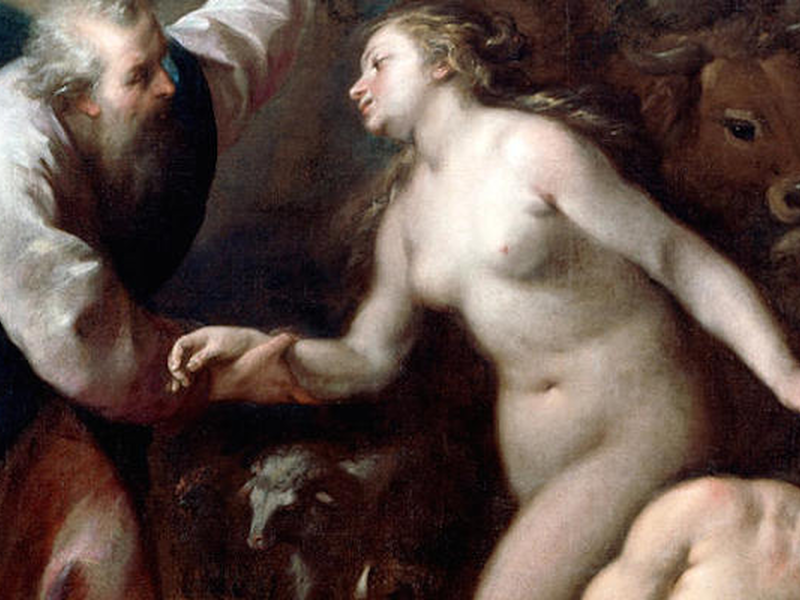
Philosophers have measured mountains, Fathom'd the depths of seas, of states, and kings, Walk'd with a staff to heaven, and traced fountains But there are two vast, spacious things, The which to measure it doth more behove: Yet few there are that sound them; Sin and Love. The Agonie –…

by Joshua AppelSeptember 22, 2015
john-baptist-pointing
Luke

Of Sandals and Heroes

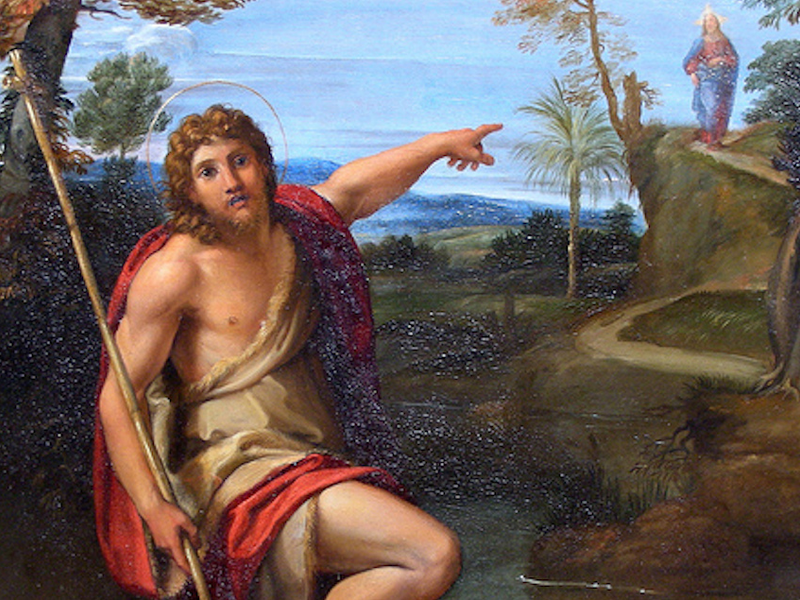
The third chapter of Luke famously opens with a list of mighty men, seven mighty men, potential heroes of the Mediterranean world. Beginning with Tiberius Caesar and Pontius Pilate, passing on to Herod the Tetrarch and his brothers, and ending with two High Priests, Luke says that the word of…

by Toby SumpterSeptember 17, 2015

Showing page 143 of 309

See all
See all
Philosophy

Descartes’s Double Self

In his history of modern Western views of the self ( The Idea of the Self , Cambridge 2005), Jerrold Seigel offers what he believes is a fresh interpretation of the implications Descartes’s cogito . He asks, Who is the subject, the “I,” implied by the cogito and the sum…

August 12, 2006
Philosophy

Descartes’s Double Self

In his history of modern Western views of the self ( The Idea of the Self , Cambridge 2005), Jerrold Seigel offers what he believes is a fresh interpretation of the implications Descartes’s cogito . He asks, Who is the subject, the “I,” implied by the cogito and the sum…

August 12, 2006
History

Reaching back

Bruce Holsinger shows that “postmodern” theory reaches back beyond the modern period to find resources for anti-modern critique in the medieval world. Early modern thinkers made a similar move: Stephen McKnight notes (in a Mars Hill Audio interview) that early modern scientists like Francis Bacons claimed to be recovering an…

August 12, 2006
History

Descartes’s ambitions

Descartes’s original title for Discourse on Method was “Project for a Science that Can Raise our Nature to its Highest Degree of Perfection.” And for a number of years he worked on a treatise in which he “resolved to explain all the phenomena of nature, that is all of physics”…

August 12, 2006
History

Descartes’s ambitions

Descartes’s original title for Discourse on Method was “Project for a Science that Can Raise our Nature to its Highest Degree of Perfection.” And for a number of years he worked on a treatise in which he “resolved to explain all the phenomena of nature, that is all of physics”…

August 12, 2006
Theology

Not Quite Postmodern

In his very fine, lucid book, Who’s Afraid of Postmodernism? (Baker 2006), James KA Smith notes that many postmodern theologies, especially influenced by Derrida’s apophaticism, are anti-dogmatic: “postmodern religious faith eschews knowledge and therefore also eschews the particularity of dogma and doctrine. In other words, according to this line of…

August 11, 2006

Showing page 1813 of 2212

Browse by Category

In Medias Res

Your weekly digest for all things Theopolis.

Donate

Theopolis is nearly 100% donor-supported. Consider joining us on our mission.