Theopolis Logo

Writing

Explore our collection of theological essays, biblical studies, and reflections on faith and culture.

See all
jon-tyson-zlf17v5scrq-unsplash
Biblical Horizons

Protestants and BMEV

For years I have read little posts by fresh new Papal converts that assert that Luther, Zwingli, Calvin, etc., believed in the perpetual virginity of Mary. So did Turretin. Setting aside the question of whether these men believed that this notion was important or not — and Calvin, at least,…

by James B. JordanNovember 27, 2009

jon-tyson-zlf17v5scrq-unsplash
Biblical Horizons

More Thoughts on BMEV

The previous discussion led to several points that I’d like to take up in like to take up in more detail. For the sake of discussion, I’ll number them for ease of consideration. 1. Typological “evidences” for Mary as perpetual virgin, queen of heaven, etc. etc. I assert here that…

by James B. JordanNovember 26, 2009
jon-tyson-zlf17v5scrq-unsplash
Biblical Horizons

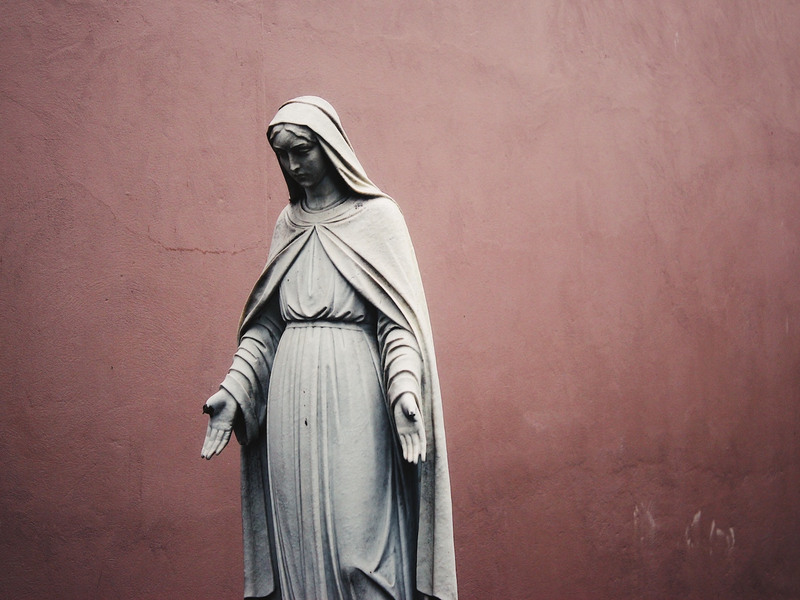
Concerning BMEV (Blessed Mary Ever-Virgin)

BMEV, or “Blessed Mary Ever-Virgin,” should not be an issue for any Protestant today, but clamor from various quarters means that we need once again to “get real” with the Biblical data here. Herewith is a reworking of a recent essay on the subject originally published in Biblical Horizons. Early…

by James B. JordanNovember 12, 2009
channel-82-urfja47nuhu-unsplash
Biblical Horizons

Rome? Why Bother?

When I hear from time to time of some young evangelical Presbyterian going into Roman Catholicism, I ask myself, “Why bother? You’re already in a church pretty much like what the Reformers rejected.” In the Medieval church, the congregation did little but watch while the priest and choir did everything.…

by James B. JordanJuly 14, 2009
greg-rakozy-ompaz-dn-9i-unsplash-2
Ephesians

A New Perspective on the Mystery of God

The “New Perspective” sheds light on what the New Testament means by the “mystery” of God. The mystery theme is quite pervasive in the apostolic writings, and shows up across genre lines, in the gospels, the epistles, and Revelation. One could even make a solid case that the revelation of…

by Mark HorneJune 5, 2009
skyler-gerald-oygna91tfis-unsplash
Biblical Horizons

Sanctus

THIS should be a link to the Sanctus I put together for use at the Biblical Horizons Conferences. Some churches have been using it also.

by James B. JordanMay 22, 2009

Showing page 208 of 309

See all
See all
Philosophy

Descartes’s Double Self

In his history of modern Western views of the self ( The Idea of the Self , Cambridge 2005), Jerrold Seigel offers what he believes is a fresh interpretation of the implications Descartes’s cogito . He asks, Who is the subject, the “I,” implied by the cogito and the sum…

August 12, 2006
History

Reaching back

Bruce Holsinger shows that “postmodern” theory reaches back beyond the modern period to find resources for anti-modern critique in the medieval world. Early modern thinkers made a similar move: Stephen McKnight notes (in a Mars Hill Audio interview) that early modern scientists like Francis Bacons claimed to be recovering an…

August 12, 2006
History

Descartes’s ambitions

Descartes’s original title for Discourse on Method was “Project for a Science that Can Raise our Nature to its Highest Degree of Perfection.” And for a number of years he worked on a treatise in which he “resolved to explain all the phenomena of nature, that is all of physics”…

August 12, 2006
Theology

Not Quite Postmodern

In his very fine, lucid book, Who’s Afraid of Postmodernism? (Baker 2006), James KA Smith notes that many postmodern theologies, especially influenced by Derrida’s apophaticism, are anti-dogmatic: “postmodern religious faith eschews knowledge and therefore also eschews the particularity of dogma and doctrine. In other words, according to this line of…

August 11, 2006

Showing page 1813 of 2212

Browse by Category

In Medias Res

Your weekly digest for all things Theopolis.

Donate

Theopolis is nearly 100% donor-supported. Consider joining us on our mission.