Theopolis Logo

Writing

Explore our collection of theological essays, biblical studies, and reflections on faith and culture.

See all
sodom
Judges

The Levite, the Concubine, and Israel's Story

The story of Judges 19 and the subsequent chapters are some of the most shocking and appalling accounts in all of Scripture. The callousness of the old host and the Levite, and the monstrous brutality of the men of Gibeah, leaves us feebly scrabbling for words by which to surmount…

by Alastair RobertsNovember 1, 2016
david-ark-2
Biblical Theology

Adam Ascended

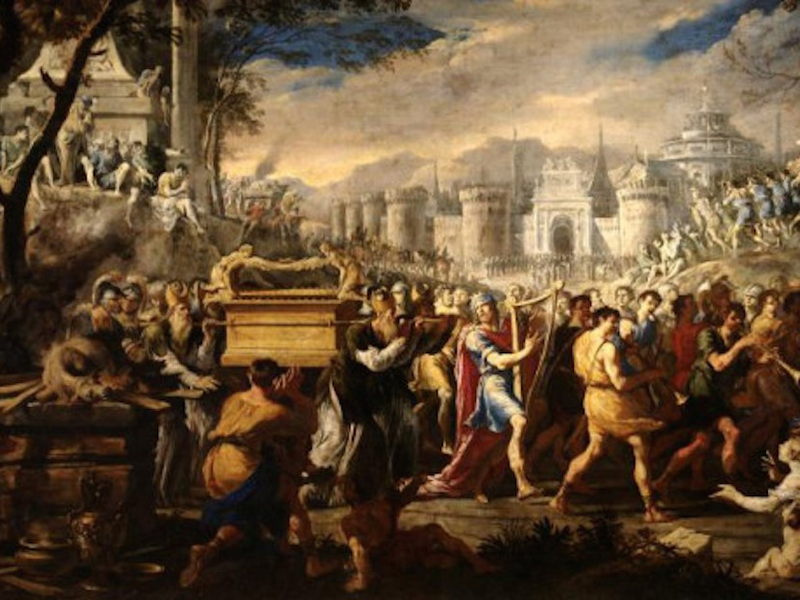
David has become king. He has conquered the capital city of Jerusalem. He has brought the ark of Yahweh into the city and placed it in a tent. He has stationed Levites at the tent to offer sacrifices of praise. An anomaly hits him: He has a cedar-paneled palace, and…

by Peter LeithartOctober 27, 2016
last-supper-2
Eucharist

The Epiclesis in the Reformed Eucharistic Prayer, 3

In Part 2 of this series we traced what we have of the development of the epiclesis in the liturgy of the Church. In this third and final part we’ll look at the theological implications of this and how we may apply what we’ve learned. As we saw in Part…

by Christopher KouOctober 25, 2016
jimpreaching
How to Worship

Reformational Catholicism, A Wish List

In a 2014 piece published in First Things , I offered a "wish list" for Protestant churches, a checklist for a future catholic Protestantism. The wish list doesn't cover everything. It doesn't mention those things that Protestants, especially Evangelicals, already do, often exceedingly well, things like missions and evangelism and…

by Peter LeithartOctober 20, 2016
last-supper-2
Eucharist

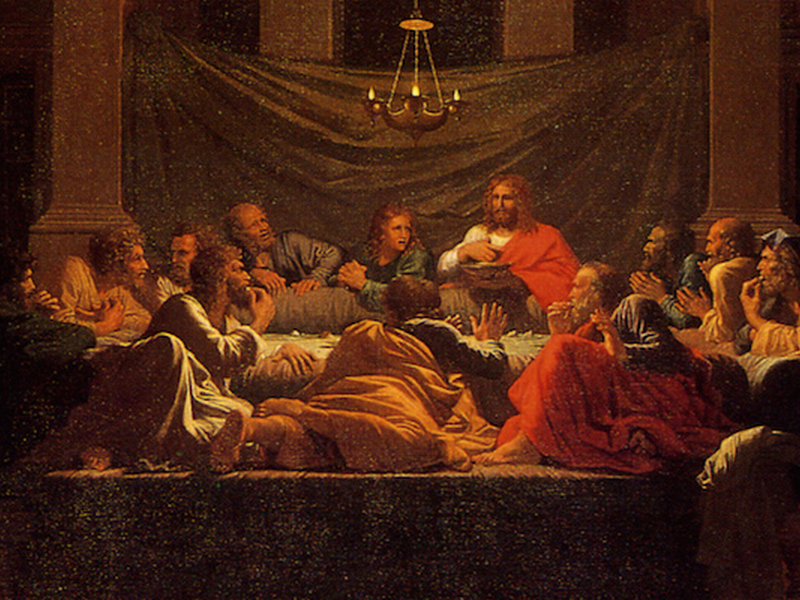
The Epiclesis in the Reformed Eucharistic Prayer, (Part 2)

In the first part of this series we examined the meaning of “blessing” in Scripture and its parallels in Jewish liturgical tradition, but did not find anything that we could properly call an epiclesis (an invocation of the Holy Spirit). We did find examples of invocation of Jesus to “come”…

by Christopher KouOctober 18, 2016
moses-gives-aaron-priesthood-39465-wallpaper
Baptism

Renewing Circumcision

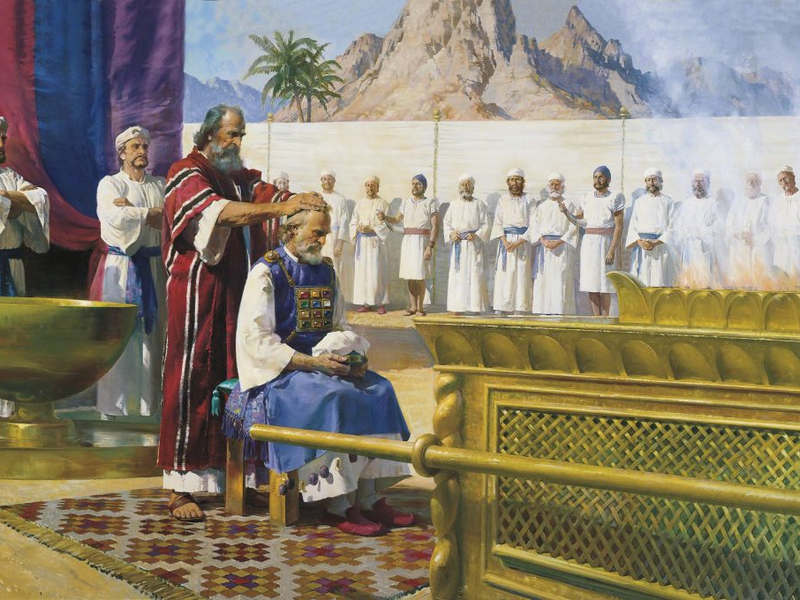
When the Aaronic priests were ordained, the blood of the ram of "filling” was placed on the lobe of the right ear, the right thumb, and the right big toe (Lev. 8:22-24). Similarly, the cleansing rite for a leper included smearing the right ear lobe, thumb, and big toe with…

by Peter LeithartOctober 13, 2016

Showing page 123 of 309

See all
See all

Objective/Subjective

McGrath notes that Augustine interpreted the genitive in the phrase “righteousness of God” in Rom 1 objectively, so that it was understood as the righteousness that God gives in saving sinners (in “making” them righteous). Ambrosiaster, as I pointed out in an earliet post, interpreted the genitive subjectively - the…

April 20, 2006

Old Perspective on Paul

Ambrosiaster writes, “Iustitia est Dei, quia quod promisit dedit, ideo credens hoc esse se consecutum quod promiserat Deus per prophetas suos, iustum Deum probat et testis est iustitiae eius” (PL, 17.56b). McGrath explains: “God, having promised to give salvation, subsequently gives it, and as a result is deemed to be…

April 20, 2006
History

Unfinished Reformation

Nevin wrote: “There is more a great deal in Christianity, I firmly believe, more in the idea of hte Holy Catholic Church, than has yet been attained, either in the way of knowledge or in the way of life, by the Protestant Reformation.”

April 20, 2006

Factitive Justification

There was a consensus among the theologians of Trent, McGrath argues, that justification was “factitive,” a view that excluded that “a sinner may be justified solely as a matter of reputation or imputation, while remaining a sinner in fact.” But of course that raises the question, What exactly is a…

April 20, 2006

True Lutherans

McGrath traces the odd development in Lutheran Orthodoxy of the notion that regeneration and faith precede justification in such a way that “where Luther had understood justification to concern the unbelieving sinner, orthodoxy revised this view, referring justification to the believing sinner.” This takes Lutheran Orthodoxy back in the direction…

April 20, 2006

Ontological change

McGrath notes, “While justification was universally understood to involve the regeneration of humanity, the opinion that an ontological change is thereby effected within humans is particularly associated with the period of High Scholasticism and the development of the concept of created grace. The earlier medieval theologians expressed the change effected…

April 20, 2006

Showing page 1854 of 2212

Browse by Category

In Medias Res

Your weekly digest for all things Theopolis.

Donate

Theopolis is nearly 100% donor-supported. Consider joining us on our mission.