Theopolis Logo

Writing

Explore our collection of theological essays, biblical studies, and reflections on faith and culture.

See all
e99a9334
Advent

Stretching Christmas

For many people Christmas comes on December 25 and is over December 26. The tree is taken down along with the lights and the other decorations, and everyone begins setting the house in order for the new year. No more Christmas hymns. No more celebrations (well, until New Year’s Eve).…

by Steve WilkinsDecember 24, 2016
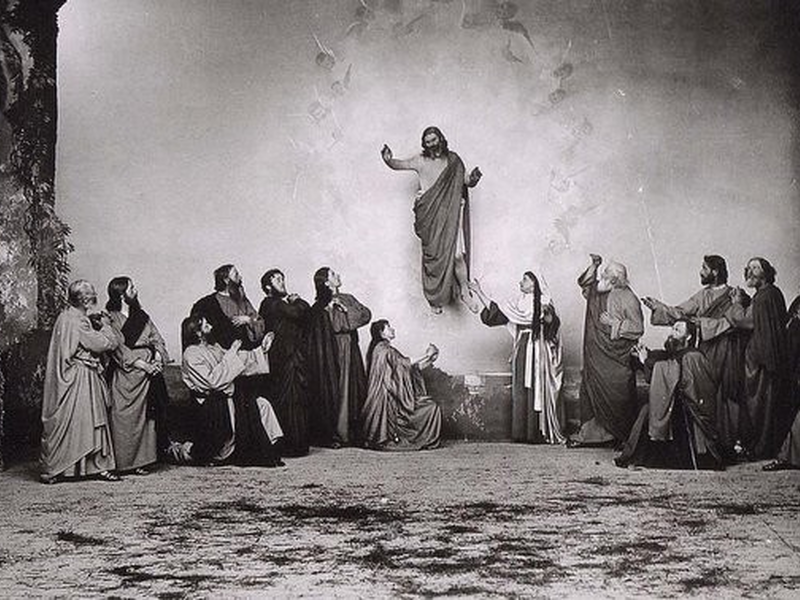
ascension
Advent

Ascension and Incarnation

The Ascension and the Incarnation should not be disconnected in our Christmas thinking or celebrations. As N.T. Wright notes, the ascension is "a central and vital feature without which all sorts of other things start to go demonstrably wrong. . . . where the ascension has been ignored or misunderstood,…

by Roy AtwoodDecember 23, 2016
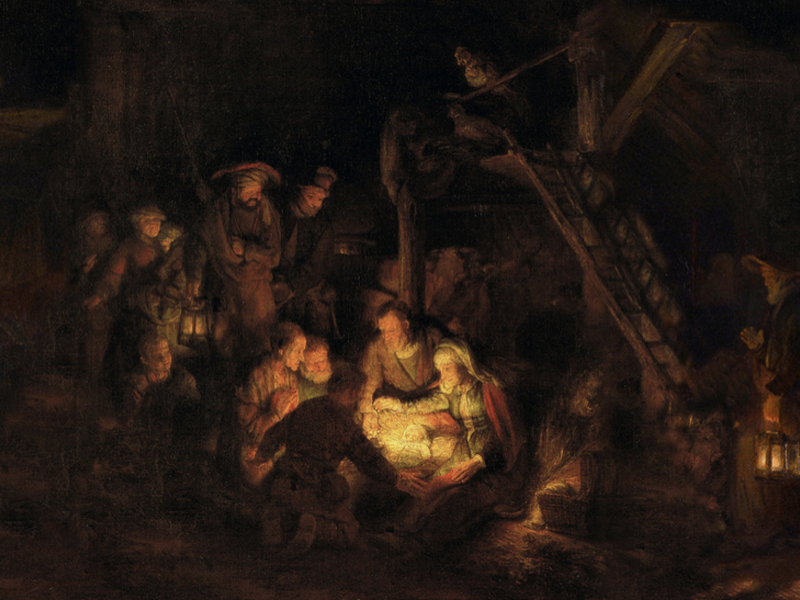
nativity-rembrandt
Advent

Christmas Light

“In the Word was life, and the life was the light of men. And the light shines in the darkness.” Thus John describes the incarnation of the Son. He comes as the living and life-giving light of the world. That’s good news. In the beginning, God spoke and light shone…

by Peter LeithartDecember 23, 2016
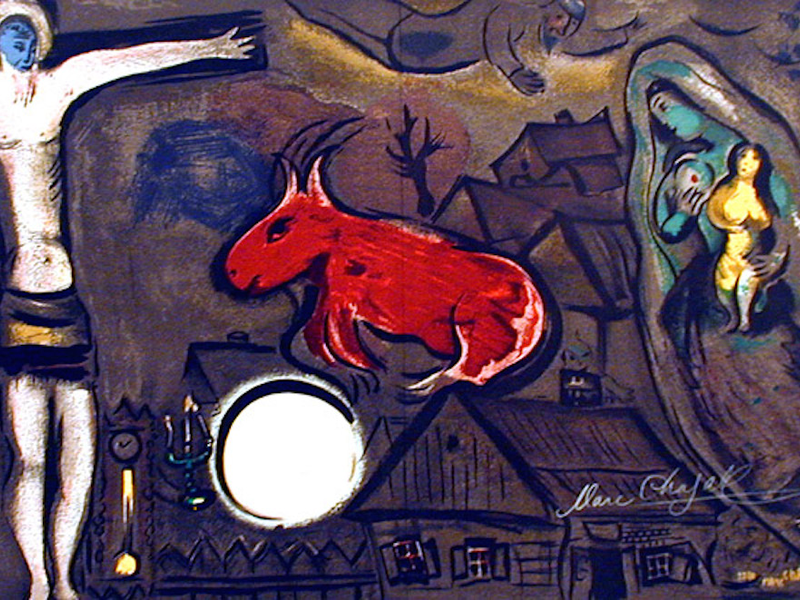
nativity-chagall
Advent

The Spirit of Christmas

Christmas is all about Jesus. The angels announce Jesus’ birth, shepherds and wise men come to see Jesus, Herod wants to kill Jesus. We occasionally think of the Father who sent the Son, but we keep returning to the Son made flesh in Bethlehem’s manger. Meanwhile, as always, the Spirit…

by Peter LeithartDecember 22, 2016
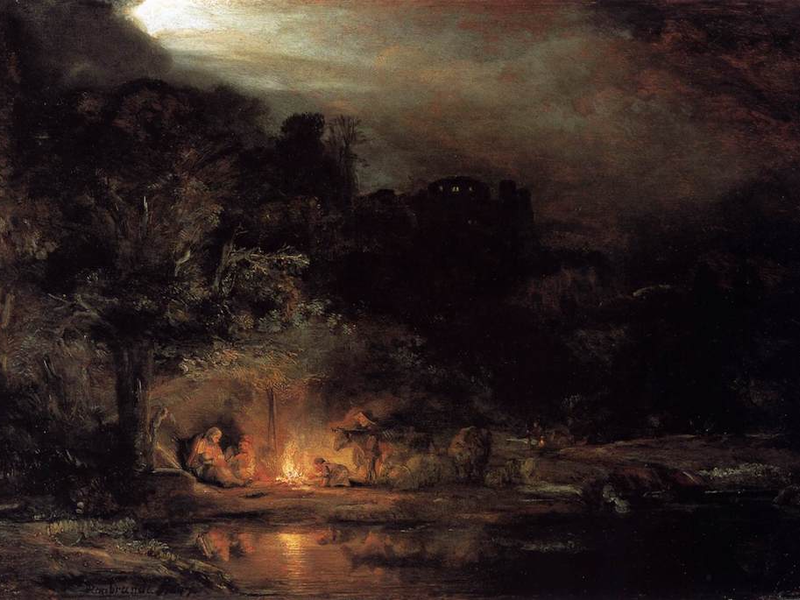
nativity
Advent

The Humility of God

Christmas is about many things, but one of the chief things revealed in the gospel of Christmas is the humility of God. We don't often think of humility as an attribute of God. If God is glorious and exalted, we think, He must be haughty and proud and self-centered. We…

by Peter LeithartDecember 21, 2016
screenshot-2025-12-15-at-8-35-45-am
Advent

Advent of Unity

John famously begins his Gospel with a piece of theology: “In the beginning was the Word, and the Word was with God, and the Word was God.” Matthew starts with a genealogy. John celebrates Advent with a hymn, Matthew with a list. For John, Jesus is the Word of creation…

by Peter LeithartDecember 20, 2016

Showing page 120 of 309

See all
See all
Theology

Gift and Causation

Further along his his treatment of de Lubac, Milbank discusses the change in the meaning of causality and divine causality in the medieval period. Drawing on the work of Jacob Schmutz, he gives this account: Prior to 1250, influentia was understood in its etymological sense as a “flowing-in” from God…

April 5, 2006
Theology

Henri de Lubac: A Brief Introduction

INTRODUCTION The French Jesuit theologian Henri de Lubac (1896-1991) was one of the most significant Catholic theologians of the twentieth century, a central figure in the ressourcement movement and the nouvelle theologie movement that inspired the change of atmosphere in the Catholic church leading up to Vatican II. In his…

April 5, 2006

Sermon Outline, Palm Sunday

Much of the following was inspired by a lecture by Dr. David Powlison of the counseling center at Westminster Seminary, Philadelphia. INTRODUCTION As disciples of Jesus, we are all called to take our cross to suffer with Him. He suffered because He provoked murderous hatred from his enemies. Our afflictions…

April 5, 2006
Art

Noah and the Sinners

At the end of his intriguing discussion of Gericault’s painting Scene of Shipwreck, Julian Barnes gives a brief summary of the fortunes of Noah in Western art, which he says change significantly after the Sistine Chapel: “In the Sistine Chapel the Ark (now looking more like a floating bandstand than…

April 2, 2006
Philosophy

Existing

JL Austin once suggested that many people think of existing as something over and above the various activities of a thing, something things do all the time: “like breathing, only quieter - ticking over, as it were, in a metaphysical sort of way.”

March 31, 2006

Aquinas and Cooperation

Exploring George Hunsinger’s criticisms of Thomas’ views on grace, Kerr argues that Thomas does not, as Hunsinger suggests, make human nature “conceptually prior to and independent of divine grace.” Rather “it is by grace that the soul of the sinner is open to God. Paradoxically, fallen human beings are open…

March 31, 2006

Showing page 1863 of 2212

Browse by Category

In Medias Res

Your weekly digest for all things Theopolis.

Donate

Theopolis is nearly 100% donor-supported. Consider joining us on our mission.