Theopolis Logo

Writing

Explore our collection of theological essays, biblical studies, and reflections on faith and culture.

See all
screen-shot-2021-06-03-at-8-49-15-am
Ezra

Ezra: The Aaronic Rest-Giver

If you’re a preacher looking for good commentaries on Ezra, you’ll struggle. Certainly to find ones that wrestle in good detail with the text. And certainly ones that don’t cost you an arm and a leg. There’s a good bit more for Nehemiah, which is odd, as the two are…

by Rhys LavertyJune 8, 2021

christian-lue-k1e6994p3t8-unsplash
1 John

1 John in Community

Quick thought experiment: try to pretend you’ve never read 1 John before. Read 1:1-6. Go ahead; I’ll wait. Now, on to v. 7: “But if we walk in the light as He is in the light, we have fellowship with ______….” What word would you expect in that blank, based…

by Tim NicholsJune 1, 2021
noahs-ark-genesis
Hermeneutics

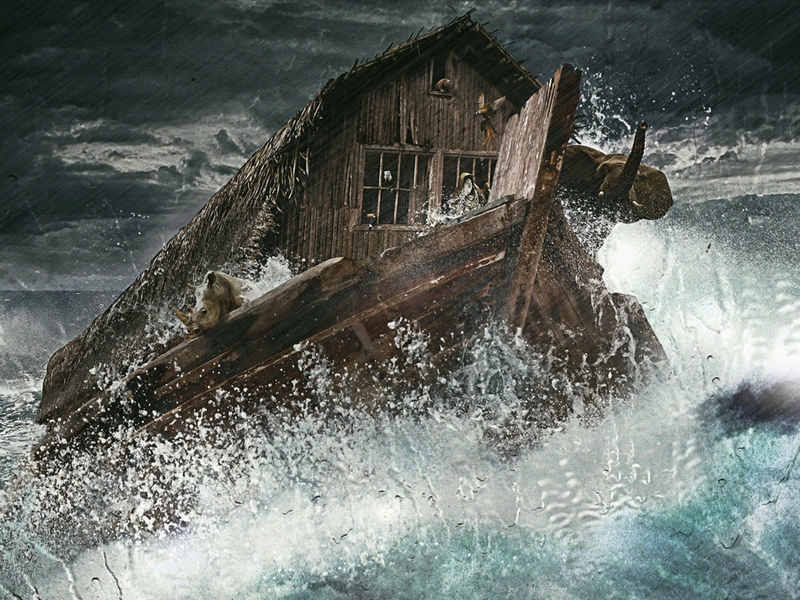
Spending Time with Noah: Reflections on Prepositions in the Flood Narrative

In my work as a Bible translator, I was recently checking our translation team’s draft of Genesis 8:8, which says of Noah (translating the Hebrew quite literally): And he sent out the dove from with him to see: had the waters lessened from upon the face of the ground? Part…

by Josh JensenMay 25, 2021
86758
Philosophy

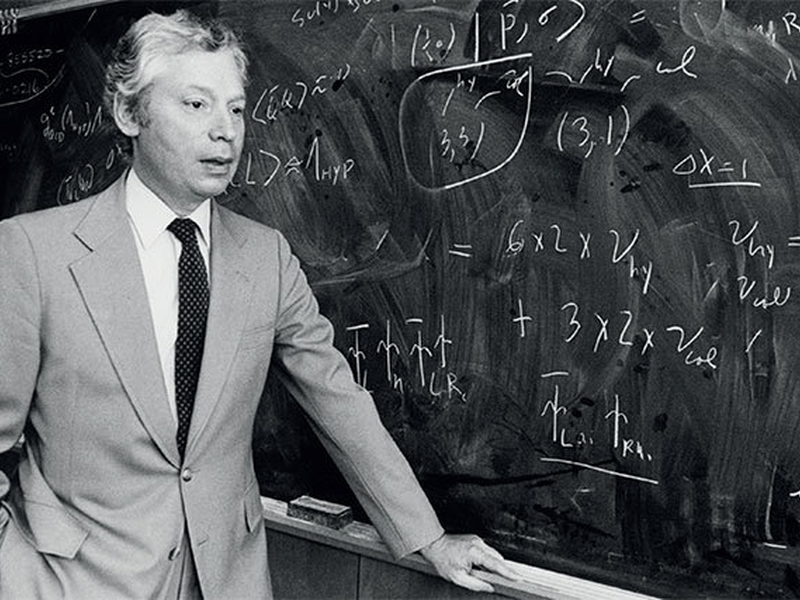
Steven Weinberg Destroyed My Faith

Just in case a reader may not know Weinberg, he is a theoretical physicist and the winner of the Nobel prize in physics in 1979, as well as countless other prizes for his research. He is also a prolific, lucid, and captivating writer. If you want to read something on…

by Ralph Allan SmithMay 18, 2021
screen-shot-2020-09-17-at-9-11-45-am
Colossians

Reconciliation in Colossians 1:20

Colossians 1:15-20 is a famous passage in Paul’s epistles because it is a succinct and powerful poem. It appears even to have been a hymn. Given the uniquely Pauline language — “reconciliation” is a term used only by Paul — it should not seem odd to attribute the poem/hymn to…

by Ralph Allan SmithMay 11, 2021
stalker_still
Movies

Terror of Knowing Myself

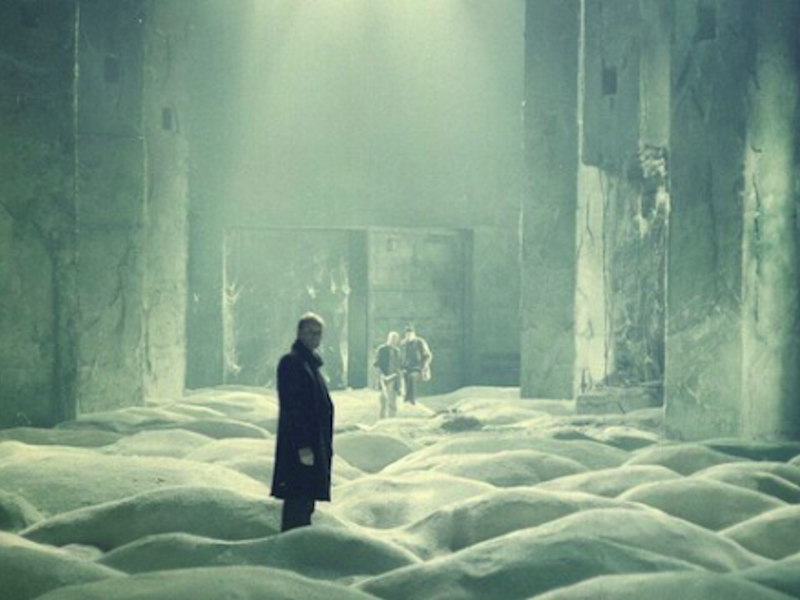
Stalker (1979) is a film by Andrei Tarkovsky based on Roadside Picnic by the Strugatsky brothers. It shows a day from the life of a stalker, a man who enters the so-called "Zone", an Alien landing site, where he leads people to a room that grants people’s innermost desires, which…

by Bogumil JarmulakMay 4, 2021

Showing page 55 of 309

See all
See all

Ocularity and the ancients

A TLS reviewer examines what sounds like a fascinating book on Plato and Aristotle’s appropriation of “theoria” (originally referring to spectators who watch the Olympics and other festivals in a kind of “sacralized spectating”). Along the way, the reviewer comments on recent criticisms of the “spectator theory of knowledge” often…

March 6, 2006

Eucharistic meditation, first lent

2 Kings 14:25: Jeroboam restored the border of Israel from the entrance of Hamath as far as the Sea of the Arabah, according to the word of the Lord, the God of Israel, which he spoke through His servant Jonah the son of Amittai, the prophet, who was of Gath-Hepher.…

March 5, 2006

Exhortation, First Sunday of Lent

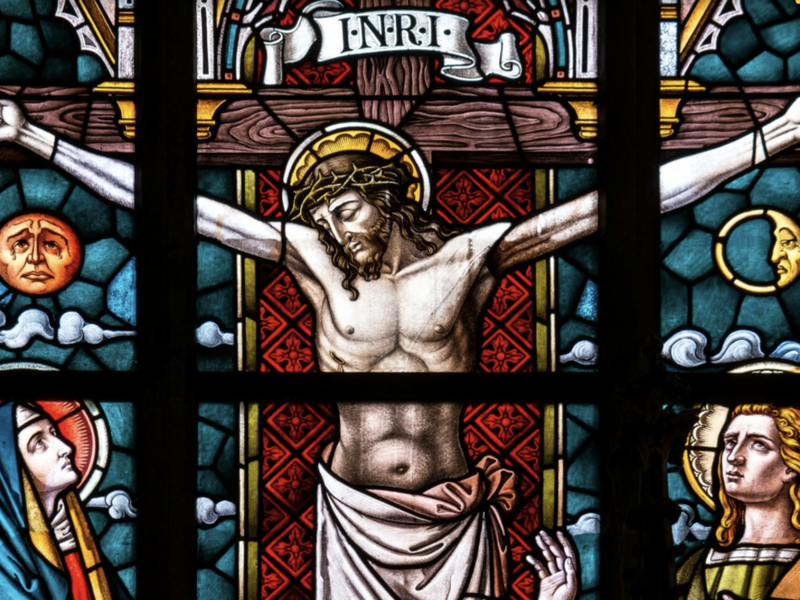
What is the cross? Originally a Persian invention, crucifixion became a Roman method of execution, reserved for slaves and for the most dangerous political criminals. Josephus described it as the “most wretched of deaths,” as a victim slowly suffocated with the weight of his own body. One writer describes crucified…

March 5, 2006
Philosophy

Beginnings

A man went searching for the beginning of the road he was traveling. He traced his footsteps back the way he had come, until he came to where he started. But the beginning of the road was not a beginning. Something lay on the far side of the road’s beginning,…

March 4, 2006
Philosophy

Foucault on man

Another discarded fragment. Perhaps the best-known of the postmodern theories of the self is that of Michel Foucault. According to Foucault, “man” is an invention of the recent past, of the modern world. Contrary to popular opinion, “man” has not been the subject of investigation since the time of the…

March 4, 2006

Bultmannian irony

Bultmann says that we moderns who can flick on electric lights cannot believe in the dichotomous anthropology of the New Testament, which distinguishes absolutely between the spiritual core of the self and the physical body. Problem is, that’s not the New Testament anthropology. In fact, it’s ironically the product of…

March 4, 2006

Showing page 1871 of 2212

Browse by Category

In Medias Res

Your weekly digest for all things Theopolis.

Donate

Theopolis is nearly 100% donor-supported. Consider joining us on our mission.