Theopolis Logo

Writing

Explore our collection of theological essays, biblical studies, and reflections on faith and culture.

See all
sinitta-leunen-dvibhmzsy8e-unsplash
Epistemology

A Cheer for the Mystics

Mystical theologians are often unguarded, extreme, un-nuanced, pressing to the edges of heresy, sometimes beyond. Still, the mystics are worthy of study. Why? Many reasons. Unlike some late medieval and post-Reformation dogmaticians, mystical theologians are often instinctively and richly Trinitarian. Historical-critical approaches to Scripture left mystical theologians virtually untouched; mystics…

by Peter LeithartSeptember 2, 2013
portrait-of-william-shakespeare-1564-1616-ca-1865
Literature

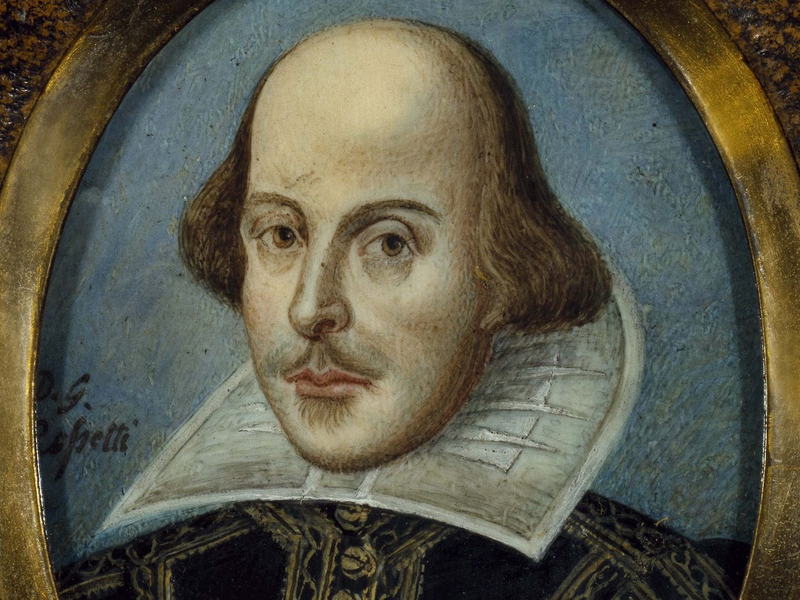
Shadow and Substance in Shakespeare's Venice

Portia of Belmont is a “lady richly left,” as Bassanio says of her in the first Act of The Merchant of Venice . Plus, she’s beautiful and wise. Suitors clamber to Belmont in hope. Her father knew it would be so, and in his will set up a fairy-tale test…

by Peter LeithartAugust 28, 2013
carlo-alberto-burato-smdx3gleu_m-unsplash
Liturgy

Liturgy Traps

[fve]http://vimeo.com/72195198[/fve]

by James B. JordanAugust 26, 2013
screen-shot-2022-05-12-at-12-07-23-pm
Deuteronomy

Victory Food

In the nature of the case, “the” Christian meditation on Deuteronomy 14:1-21 cannot be written. Meditation offers too many possibilities, opens too many doors. There is not one and only one correct set of associations for a Christian to consider when thinking of Deuteronomy 14:1-21. We could, for example, consider…

by Ralph Allan SmithAugust 21, 2013
aaron-burden-1ebsmyrau-s-unsplash
Romans

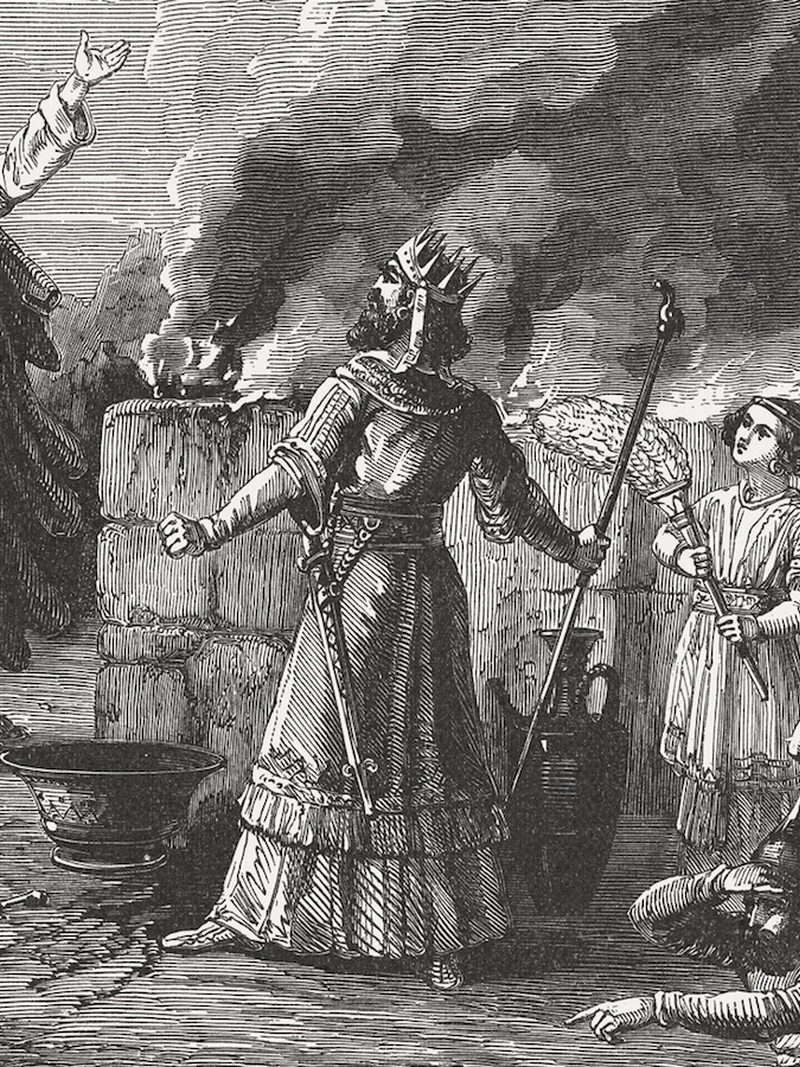
David's Sin and Israel's Salvation, Part I

Having retold the story of the cumulative sin of Israel leading to the great atonement on the cross, Paul then reemphasizes that, just as both Jew and Gentiles were locked into sin and judgment, now they are both justified by faith: Then what becomes of our boasting? It is excluded.…

by Mark HorneAugust 20, 2013
ben-white-w8qqn1pmqh0-unsplash
Deuteronomy

You are what you eat

Deuteronomy 14 is full of allusions to events of Israel’s history and other portions of Scripture. What would an Israelite learn by mediation on these allusions? The answer, I believe, is at least fourfold. Faith, Worship, War For the ancient Israelite first hearing Moses’ sermon, or perhaps hearing it read…

by Ralph Allan SmithAugust 15, 2013

Showing page 189 of 309

See all
See all

Exhortation, First Advent

In this morning?s sermon, we will be looking at the role of the Spirit in the incarnation of Jesus, in the redemption achieved by Christ, and in the life of the Trinity. One way to summarize the point is that the Spirit is the divine bond, the ?glue?Eof the Trinity.…

November 28, 2004

Eucharistic Sacrifice

Vander Zee shows some chutzpah in addressing the question of Eucharistic sacrifice, and in suggesting that there are senses in which the Eucharist is properly said to be sacrificial. He offers a few quotations to show the Reformation pedigree of this perspective. The first from Calvin: “The Lord’s Supper cannot…

November 28, 2004

VanderZee on Sacraments

Leonard J. Vander Zee’s Christ, Baptism and the Lord’s Supper is the most satisfying introduction to sacramental theology that I’ve come across. VanderZee works out a Reformed understanding of sacraments in general (focusing on the fact that sacraments are God’s action - hardly a Reformed monopoly, of course), as well…

November 28, 2004

Bayer on Luther

Oswald Bayer says that for Luther faith is “divine work in us,” and that means for Luther that God “slays the old nature that belongs to the old world, the old Adam, and makes us new creatures, a new creation.” This is, in Bayers’ summary, the “decisive aspect of the…

November 27, 2004

White on NT

White in fact does not even cover all the passages concerning justification within the texts that teach the doctrine. Romans 6:7 is absent from his Scripture index, and he lists the “key Pauline passages” that deal with justification as Romans 3-5; 8:29-34; Gal 1-5 ( The God Who Justifies ,…

November 26, 2004

God the Judge

Near the heart of the Protestant doctrine of justification (as Barth saw) is the insistence that God, not man, is Judge. Efforts at self-justification are NOT merely moralistic efforts to recommend ourselves to God (though they are that). Efforts at self-justification are also (perhaps more fundamentally) assaults on God’s Lordship;…

November 26, 2004

Showing page 2034 of 2212

Browse by Category

In Medias Res

Your weekly digest for all things Theopolis.

Donate

Theopolis is nearly 100% donor-supported. Consider joining us on our mission.