Theopolis Logo

Writing

Explore our collection of theological essays, biblical studies, and reflections on faith and culture.

See all
screenshot-2024-06-06-at-8-49-49-am
Biblical Theology

Incarnation, Church, & the New Heart

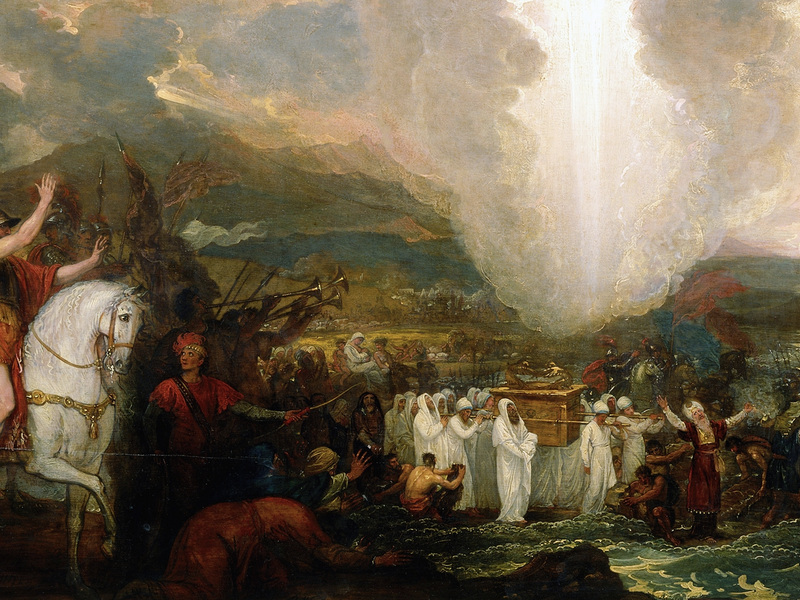
“And it shall be in those days when you are multiplied and increased in the land,” declares the Lord, “they shall say no more, ‘The Ark of the Covenant of the Lord.’ And it shall not come to mind, nor shall they remember it, nor shall they miss it, nor…

by Mark HorneJune 6, 2004
e99a4713
Grace

Grace & Justice in Unexpected Places

Elsewhere, I have argued that there is grace in the so-called covenant of works (see, e.g., my colloquium essay, “A Response to ‘The Biblical Plan of Salvation,’” in The Auburn Avenue Theology: Pros and Cons , edited by Calvin Beisner (pages 118-148). It may be equally surprising to find justice…

by Rich LuskJune 6, 2004
amjd-rdwan-erymmvvsy1y-unsplash-1
Theologia

Trust & Obey

Years ago, as a layman, I had the privilege of attending a Bible study led by a gifted teacher. His story was interesting: back when he was a student he had been severely sanctioned for affirming that one must repent in order to be saved, that one must trust Jesus…

by Mark HorneJune 5, 2004
daniel-born-yw_qx-i8ln4-unsplash
Theologia

The World is Built on Faith

Believing that God really exists Defining “faith” is sometimes made too complicated. The theologian, Louis Berkhof, for example, distinguishes “faith in general” from “faith in the religious sense and particularly saving faith.” Berkhof’s core definition of saving faith is not so bad. He says that it is “a certain conviction,…

by Mark HorneJune 5, 2004
ben-white-qdy9ahp0mto-unsplash
Apostasy

The Children of Christians Are Christians

It is generally acknowledged that when Paul wrote letters to churches, he expected his letters to be read in the worship service to the congregation. It is interesting, then, that when Paul wrote letters to a congregation he could feel free to address children and tell them to obey their…

by Mark HorneJune 5, 2004
24542-cropped-john-calvin
Ecclesiology

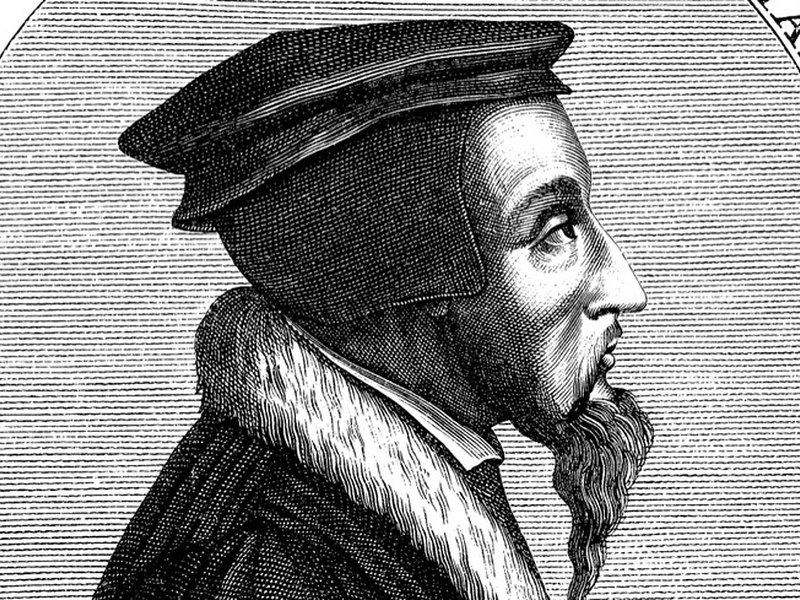
Calvin on the Pastor and Community

Book 4 of Calvin’s Institutes of the Christian Religion is a classic work of ecclesiology. This book is the longest section of the Institutes , showing Calvin’s deep interest in and love for the church. Among its many salutary features is a full scale exposition of those ecclesiastical leaders Calvin…

by Rich LuskJune 5, 2004

Showing page 224 of 309

See all
See all

God's Wounds

J ean-Louis Chretien begins his Hand to Hand with a series of meditations on the story of Jacob wrestling with God, and artistic representations of that episode. He quotes Francois de Sales, who wrote: “Our Lord may turn us and sweep us round to the left or to the right;…

February 10, 2017

Silence of Painting

I n Hand to Hand , Jean-Louis Chretien meditates on silence in painting. He doesn't simply mean that painting is a visual rather than an audible art. Instead, he argues that paintings must not only be viewed but listened to: “To say that painting is silent is to say that…

February 10, 2017

Fair Nature's Second Chance

“G iving oneself up to sleep can constitute the worst of abandonments,” writes Jean-Louis Chretien ( Hand to Hand ), “wherein we abandon another person to his solitude and his distress by withdrawing ourselves from the common world and from our community with him. Our eyelids close upon our weary…

February 10, 2017

The New (Secular) Pragmatism

P aul Collier devotes a long, provocative, stimulating TLS review to a sketch of a “new pragmatism.” The review doubles as an essay on the “future of capitalism.” Along the way, Collier discusses the problems of multiculturalism and gives qualified endorsement to nationalism. Multiculturalism must be “bounded,” partly because Western…

February 10, 2017

Authoritarian Gardeners

D avid I. Smith and Susan M. Felch ( Teaching and Christian Imagination ) want to rehabilitate the symbolism of “gardening” as a model of education. It does require rehabilitation, not least because of Rousseau, who wrote: “God makes all things good. . . . [but] man meddles with them…

February 10, 2017

Horticultural Anthropology

D avid Smith and Susan Felch devote several pages of their Teaching and Christian Imagination (129–134) to a summary of John Amos Comenius's seventeenth-century treatise on education, Great Didactic . Comenius starts where humanity starts, with Eden's garden, and reflects that the garden is not only man's original location but…

February 10, 2017

Showing page 207 of 2212

Browse by Category

In Medias Res

Your weekly digest for all things Theopolis.

Donate

Theopolis is nearly 100% donor-supported. Consider joining us on our mission.