Theopolis Logo

Writing

Explore our collection of theological essays, biblical studies, and reflections on faith and culture.

See all
evangelists
Matthew

Dating Matthew, (Part 1)

When might the Gospel according to Matthew have been written? Of course, any answer can only be speculation, but that does not mean we are reduced to groundless opinion. In this series of articles I point the way to an approach different from the general consensus among scholars today which…

by Ralph Allan SmithNovember 22, 2016
hebrew-manuscript-3
Hermeneutics

Synopticity, (Part 2)

In my first essay on “synopticity” I offered a rather rough definition of the phenomenon and important, though not exhaustive examples. In this essay, I want to introduce broader aspects of the phenomenon of “synopticity.” The first example that I have in mind is conventional stories, stories of different historical…

by Ralph Allan SmithNovember 17, 2016
screen-shot-2016-03-31-at-9-32-11-am
Ascension

Brexit and the Binding of Satan, Part 4

Since the judgment of Babel was followed by the initiation of the circumcision, the impending end of the circumcision in AD70 explains the significance of the first century miracle of foreign tongues. Except for a few Aramaic “teasers” in the book of Daniel, the Word of God was monolingual and…

by Mike BullNovember 15, 2016
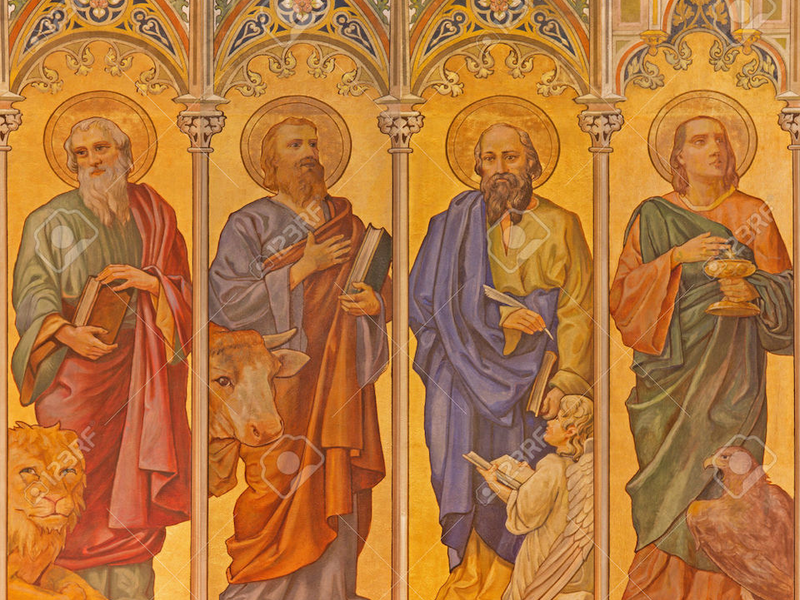
four-evangelists
Hermeneutics

Synopticity, (Part 1)

To the best of my knowledge “synopticity” is not a word used in theology or Biblical studies, but it seems an appropriate word to describe the kind of phenomena associated with the Synoptic Gospels, Matthew, Mark, and Luke. These three Gospels tell essentially the same story with significant — sometimes…

by Ralph Allan SmithNovember 10, 2016
laughing_statue_by_xxbobbiie-d5f0meh-2
Humor

Learning to Laugh

Humor is a funny thing. It is altogether familiar yet also mysterious. What makes us laugh? Why do we find things funny? There are academic fields of study dedicated to discovering what makes things humorous. These academicians even have a journal entitled International Journal of Humor Research . No joke.…

by Bill SmithNovember 8, 2016
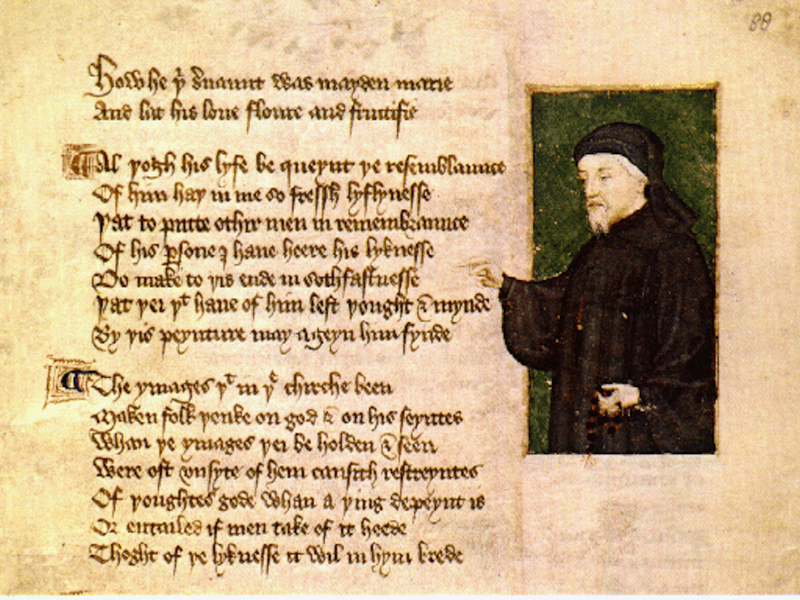
chaucer
Literature

Flawed Means of Grace: Liturgy in The Pardoner's Tale

Out of all the characters in Geoffrey Chaucer’s The Canterbury Tales , the Pardoner has been called the “one lost soul.” The pious Parson, who closes out the collection of tales with a sermon on the seven deadly sins and how a sinner can absolve himself of them, connects the…

by Christian LeithartNovember 3, 2016

Showing page 122 of 309

See all
See all

God’s Righteousness

God did not need to make the world. But once He’s made it, He cannot be a righteous God unless He deals righteously with sin (by punishing it) and righteously with His people (by justifying them). This is why Paul says the cross demonstrates God’s righteousness so that He might…

February 1, 2004

God’s Righteousness

God did not need to make the world. But once He’s made it, He cannot be a righteous God unless He deals righteously with sin (by punishing it) and righteously with His people (by justifying them). This is why Paul says the cross demonstrates God’s righteousness so that He might…

February 1, 2004

Forgiveness and Glorification

Jim Jordan suggests that justification as forgiveness of sins always also includes glorification. The “robe” that covers us (imputed righteousness) is likewise a garment of glory and beauty, so that we are invested for office at the same time we are glorified. He wants also to relate this to the…

January 31, 2004

Ten Lepers

The story of the 10 lepers in Luke 17 is not just about Jesus demonstrating that He is powerful to save, cleanse and heal. He is powerful for all those things; He DOES have mercy on the unclean and the outcasts. But Luke tells the story of the healing almost…

January 31, 2004
History

Mutability and Change

Part of the Renaissance recovery of history was an emphasis on mutability and change. Few themes so dominate the poetry of Spenser or the sonnets of Shakespeare as the fear that Time will gobble up everything good. This was continuous with ancient (and medieval) conceptions of the world, since changeability…

January 31, 2004

Movies, Stories, and Redemption

“Movies,” writes Brian Godawa, a Christian screenwriter, “may be about story, but those stories are finally, centrally, crucially, primarily MOSTLY about redemption.” Godawa uses the theologically loaded term “redemption” intentionally, but he recognizes that many contemporary movies present a distinctly secular gospel of redemption. For some movies, redemption comes through…

January 30, 2004

Showing page 2129 of 2212

Browse by Category

In Medias Res

Your weekly digest for all things Theopolis.

Donate

Theopolis is nearly 100% donor-supported. Consider joining us on our mission.