Theopolis Logo

Writing

Explore our collection of theological essays, biblical studies, and reflections on faith and culture.

See all
tanner-mardis-xuxghzhibn4-unsplash-1-2
Biblical Studies

Tweets-turned-Notes on the Bible’s Chronology

Summary In what follows, I will consider the “year-stamps” employed in Scripture, i.e., statements of the form, “Such-and-such an event took place in the Xth year of Y.” In the process, I will suggest some ways in which the Biblical narrative might relate to events in the extra-Biblical world, though…

by James BejonJuly 16, 2019
durer-prodigal-son-2
Luke

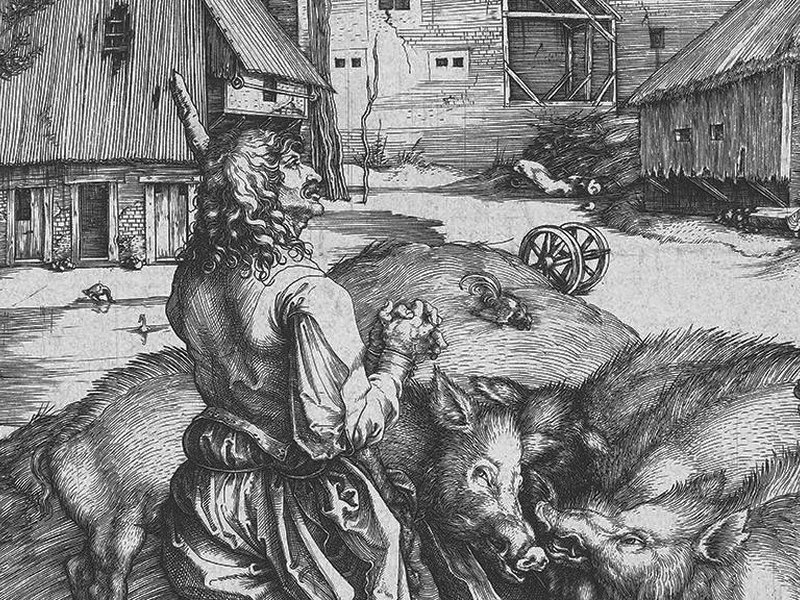
Perspectives on the Prodigal, (Part 2)

In the first essay on the parable of the Prodigal Son, I suggested that the problems commentators and others encounter in interpreting Jesus three-part parable are not accidental. These are not just problems in our ignorance of cultural background. They are intentional features of the stories —stories designed to poke…

by Ralph Allan SmithJuly 11, 2019
durer-prodigal-son-2
Luke

Perspectives on the Prodigal, (Part 1)

The story of the Prodigal Son is perhaps the most well-known story in the Bible. As others have observed, it may also be one of the most misunderstood. In two short essays, I will point out features of this story that are commonly neglected, aspects of Jesus’ parable that might…

by Ralph Allan SmithJuly 9, 2019
de-rijke-man-en-de-arme-lazarus-by-jacopo-da-ponte-16th-century
Luke

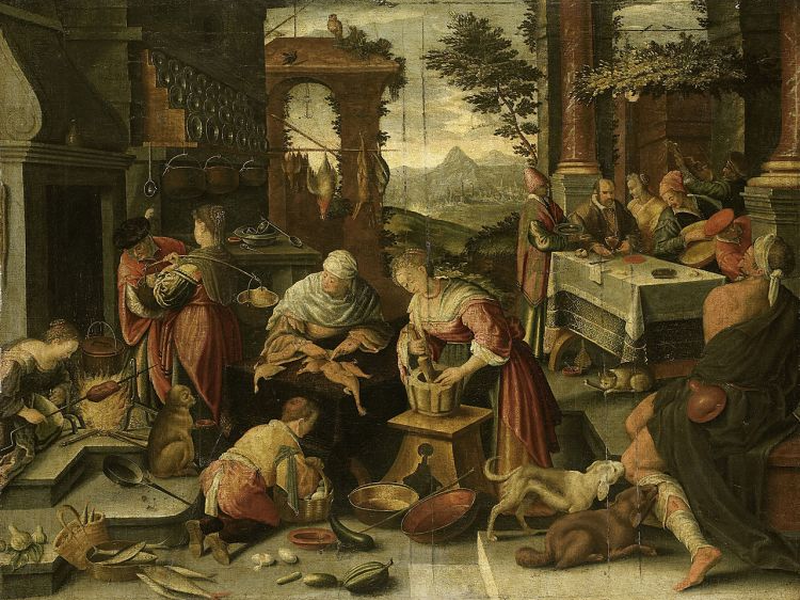
Lazarus and the Rich Man

The parable of Lazarus and the nameless rich man is not an independent story. It is part of a long context that begins in Luke 15:1, where Jesus is eating with tax collectors and sinners and the scribes and Pharisees grumble. In response to their hardheartedness, Jesus tells a three-part…

by Ralph Allan SmithJuly 4, 2019
aaron-burden-uynrnfdkjwg-unsplash
Luke

Everybody has Dropsy - Luke 14:1-24

The Bible is written so that even when a reader cannot pick up on what might be deeper or more detailed aspects of a text, there is virtually always a message to be heard. In the ancient world, where the “reader” of Scripture would likely be a church official facing…

by Ralph Allan SmithJuly 2, 2019
communion
Biblical Theology

Fruit Trees and Grain Plants

The distinction between garden (or vineyard) and field begins in Genesis 2. This relates to the ordering of the formless world. Plants of the field are contrasted with the garden planted by God in Genesis 2:5&8. Later on, under the Old Covenant the Israelites will be required to keep their…

by James B. JordanJune 27, 2019

Showing page 77 of 309

See all
See all

Joyous Exchange, Magnificent Duel

Robert Kolb ( Martin Luther: Confessor of the Faith ) observes that Luther resisted presenting a systematic theology of atonement. Instead, he employed various biblical images and descriptions to meet the pastoral needs of his audience: “When he addressed the guilt or shame of his hearers, Luther presented Christ’s substitutionary…

January 27, 2017

Frackin' Innovative

V auhini Vara reports at The Atlantic about how US frackers beat OPEC. The story starts in 2014 when “U.S. shale oil represented about 5 percent of the oil being produced worldwide. But the process was expensive, which suggested to many that shale producers could not stay in business if…

January 27, 2017

Righteousness and Relation

A ccording to Robert Kolb ( Martin Luther: Confessor of the Faith , 125–8) Luther had a “relational” understanding of righteousness: “Whereas most medieval thinkers conceived of human ‘righteousness’ in terms of performance or activity, Luther believed that the concept rested on a deeper foundation. Righteousness is being what the…

January 27, 2017

Music in the Middle

T he final section of 1 Chronicles is neatly framed by speeches by David. Chapter 22 contains David's speech of encouragement to Solomon, concluded by a brief exhortation to “all the leaders” (22:17–19). Chapters 28–29 record several public speeches, marked by “David said” and interspersed with descriptions of temple furnishings:…

January 26, 2017

Anticlericalism and Reformation

A nticlerical agitation was more consequence than cause of the English Reformation, argues David Loades in his contribution to Anticlericalism . Fashions change, including religious ones; monkish religion was not as popular by the beginning of the sixteenth century as it had been, and the energy was with the friars.…

January 26, 2017

David’s Pharaoh Moment

1 Chronicles doesn't say anything about David's sin against Bath-Sheba and Uriah (cf. 2 Samuel 11–12). Bath-Sheba is never mentioned in Chronicles at all, Uriah only once, in a list of David's warriors (1 Chronicles 11:41). In the Chronicler's account, David's great sin is taking a census of Israel (1…

January 25, 2017

Showing page 213 of 2212

Browse by Category

In Medias Res

Your weekly digest for all things Theopolis.

Donate

Theopolis is nearly 100% donor-supported. Consider joining us on our mission.