
Theopolis Logo

Writing

Explore our collection of theological essays, biblical studies, and reflections on faith and culture.

See all
giammarco-zeh-ljawhtg-unsplash
Biblical Horizons

OPEN BOOK: Views and Reviews

Isaac E. Mozeson, The Word: The Dictionary that Reveals the Hebrew Sources of English (Northvale, NJ: Jacob Aaronson Inc., 1995), 310 pp. Reviewed by James B. Jordan. Once there was only one language in the world, the language God spoke to Adam. At the Tower of Babel, there came to…

by James B. JordanJune 28, 1996
tim-wildsmith-j6jv-mkdzqs-unsplash
Esther

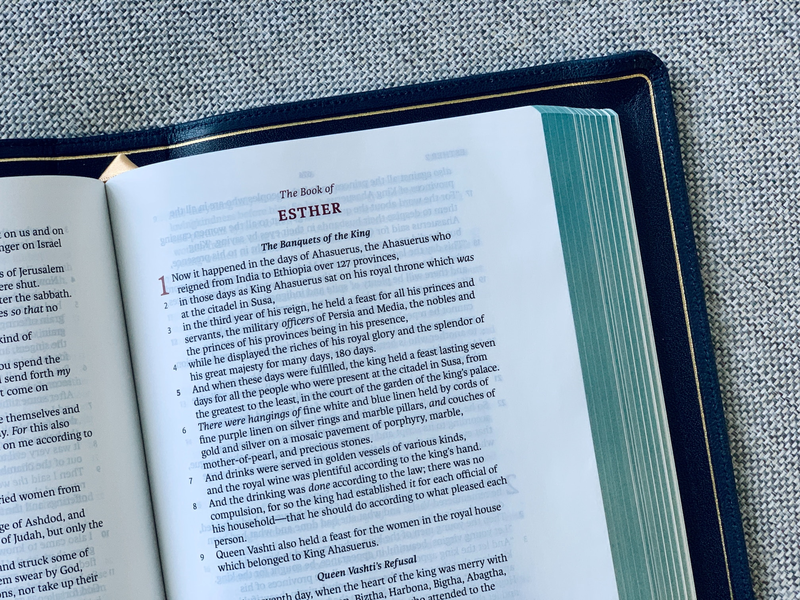
Esther: Historical & Chronological Comments (IV)

2. The Setting of the Book of Esther A. Xerxes (continued from previous issue) Ezra 6:14 says that the Jews finished building "according to the command of the God of Israel and the decree of Cyrus and Darius and Artaxerxes king of Persia." The problem with this verse is that…

by James B. JordanJune 28, 1996
ales-krivec-4mibe6zg5r0-unsplash
Acts

Jesus and Amalek

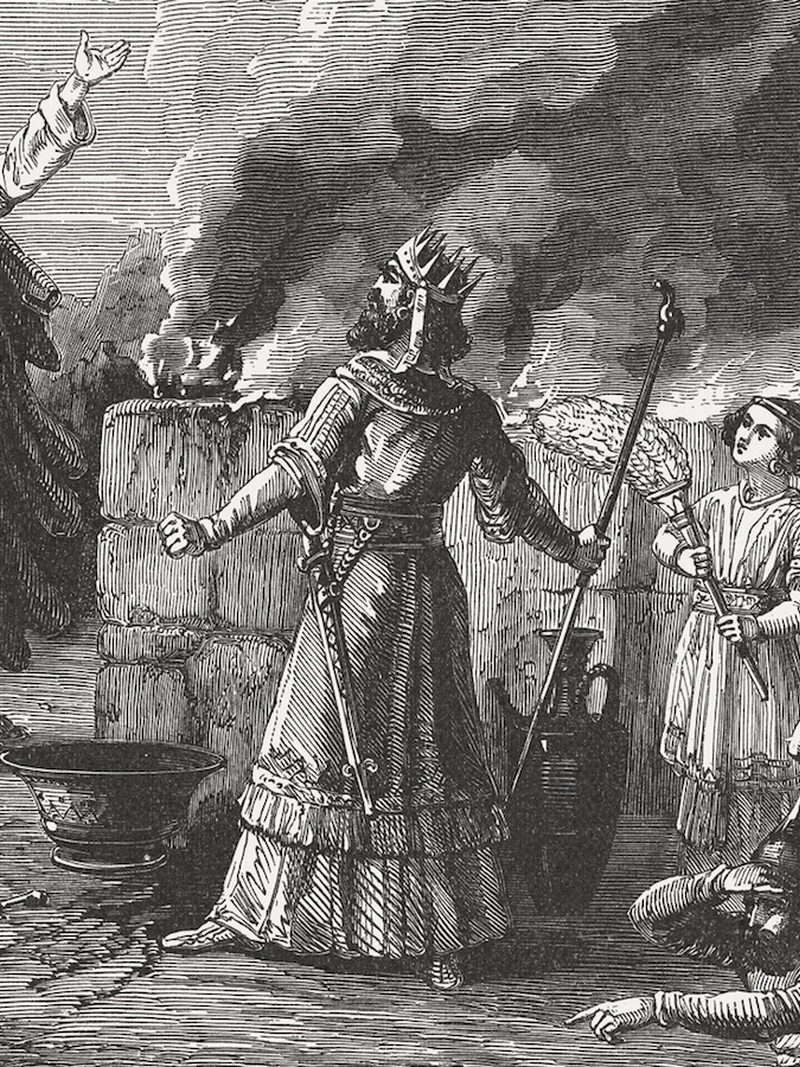
This essay goes with our previous study of the Amalek pattern back in Biblical Horizons No. 2. Since many do not have this essay, entitled "The Battle of Gog and Magog," let me cite the relevant paragraphs: Note in Genesis 12-15 that Abram moves into the land after escaping Pharaoh…

by James B. JordanJune 28, 1996
aaron-burden-1ebsmyrau-s-unsplash
Proverbs

The Strange Woman

Proverbs 7:6-23 is one of several passages early in the Proverbs in which Solomon warns his son about the wiles and dangers of the "strange woman." It is certainly quite proper to take these as straightforward warnings against sexual sins, and these are certainly warnings that need to be impressed…

by Peter LeithartJune 27, 1996
jan-kahanek-g3o5ztrk2e4-unsplash
Biblical Studies

Some Observations

1. In Luke 4:20 we read that after Jesus finished reading from Isaiah, "the eyes of all in the synagogue were fixed upon Him." This is usually taken in a psychological sense: They were amazed at Jesus somehow. I suggest that, as always, a merely psychological reading is a modern…

by James B. JordanMay 28, 1996
tim-wildsmith-j6jv-mkdzqs-unsplash
Esther

Esther: Historical & Chronological Comments (III)

2. The Setting of the Book of Esther Up to now we have assumed what we must prove, that the king in Esther is Darius the Great. While Biblical chronologists have usually taken this position, commentators on the book of Esther have often taken others as the king. One view,…

by James B. JordanMay 28, 1996

Showing page 265 of 309

See all
See all

Kantian Eschatology

I n his essay on “The End of All Things,” Kant analyzes the “pious language” that speaks of “a person who is dying as going out of time into eternity.” Kant finds no comfort in the thought. On the contrary there is “something horrifying” about it. The end of time…

January 4, 2017

Urban Utopia

E ric Gilchrest ( Revelation 21-22 in the Light of Jewish and Greco-Roman Utopianism ) suggests that the conclusion vision of Revelation would receive a quite different reaction from its original readers, depending on whether they had been schooled in Jewish or in Greco-Roman Utopian traditions. For a Jewish reader,…

January 3, 2017

Watchers

T he angelic “guards” at the gates of the new Jerusalem are, argues Margaret Barker ( Revelation of Jesus Christ , 323), “probably a memory of the ancient guardians of the city known to Isaiah, ‘the watchmen set on the walls' (Isa. 62.6).” Barker claims that “These ‘watchers' are concealed…

January 3, 2017

Merry Christmas

I ‘m taking a break from blogging over the Christmas holidays. For daily seasonal musings and meditations, see the Theopolis blog .

December 19, 2016
Poetry

Poetic Apocalypse

C hristian Wiman ( My Bright Abyss , 51-2) claims that some poets—“surprisingly few”—possess “a very particular gift for making a thing at once shine forth in its ‘thingness' and ramify beyond its own dimensions.” He sites several lines from Norman MacCaig: “Straws like tame lightnings lie about the grass…

December 16, 2016

Enemy to Life

C hristian Wiman ( My Bright Abyss , 41) quotes a poem, “These Poems, She Said” by Robert Bringhurst, which Wiman says he “carried . . . in my mind like a totem.” It begins: These poems, these poems, these poems, she said, are poems with no love in them.…

December 16, 2016

Showing page 221 of 2212

Browse by Category

In Medias Res

Your weekly digest for all things Theopolis.

Donate

Theopolis is nearly 100% donor-supported. Consider joining us on our mission.