Theopolis Logo

Writing

Explore our collection of theological essays, biblical studies, and reflections on faith and culture.

See all
evangelists
Matthew

Dating Matthew, (Part 1)

When might the Gospel according to Matthew have been written? Of course, any answer can only be speculation, but that does not mean we are reduced to groundless opinion. In this series of articles I point the way to an approach different from the general consensus among scholars today which…

by Ralph Allan SmithNovember 22, 2016

hebrew-manuscript-3
Hermeneutics

Synopticity, (Part 2)

In my first essay on “synopticity” I offered a rather rough definition of the phenomenon and important, though not exhaustive examples. In this essay, I want to introduce broader aspects of the phenomenon of “synopticity.” The first example that I have in mind is conventional stories, stories of different historical…

by Ralph Allan SmithNovember 17, 2016
screen-shot-2016-03-31-at-9-32-11-am
Ascension

Brexit and the Binding of Satan, Part 4

Since the judgment of Babel was followed by the initiation of the circumcision, the impending end of the circumcision in AD70 explains the significance of the first century miracle of foreign tongues. Except for a few Aramaic “teasers” in the book of Daniel, the Word of God was monolingual and…

by Mike BullNovember 15, 2016
four-evangelists
Hermeneutics

Synopticity, (Part 1)

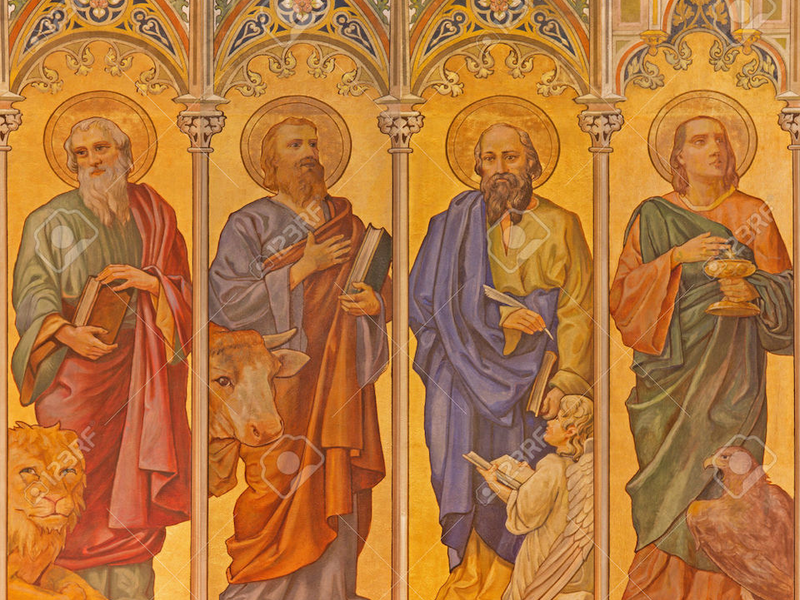
To the best of my knowledge “synopticity” is not a word used in theology or Biblical studies, but it seems an appropriate word to describe the kind of phenomena associated with the Synoptic Gospels, Matthew, Mark, and Luke. These three Gospels tell essentially the same story with significant — sometimes…

by Ralph Allan SmithNovember 10, 2016
laughing_statue_by_xxbobbiie-d5f0meh-2
Humor

Learning to Laugh

Humor is a funny thing. It is altogether familiar yet also mysterious. What makes us laugh? Why do we find things funny? There are academic fields of study dedicated to discovering what makes things humorous. These academicians even have a journal entitled International Journal of Humor Research . No joke.…

by Bill SmithNovember 8, 2016
chaucer
Literature

Flawed Means of Grace: Liturgy in The Pardoner's Tale

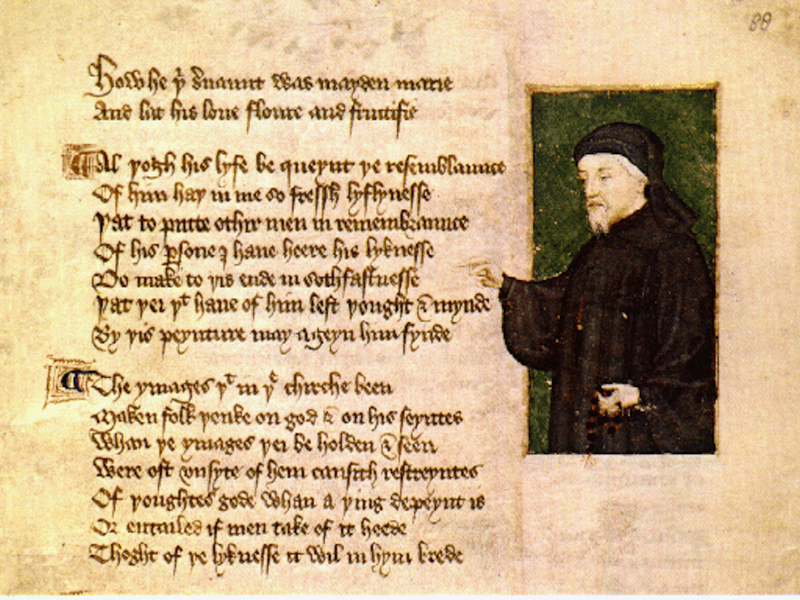
Out of all the characters in Geoffrey Chaucer’s The Canterbury Tales , the Pardoner has been called the “one lost soul.” The pious Parson, who closes out the collection of tales with a sermon on the seven deadly sins and how a sinner can absolve himself of them, connects the…

by Christian LeithartNovember 3, 2016

Showing page 122 of 309

See all
See all

Running from Boundaryless Love

B orn to Run is an anthem of escape, seemingly an exodus from the confinements of small-town America: “H-Oh, Baby this town rips the bones from your back / It’s a death trap, it’s a suicide rap / We gotta get out while we’re young / ‘Cause tramps like us,…

October 28, 2016

Horror for Kids

T errence Rafferty calls filmmaker Guillermo del Toro the “Master of Highbrow Horror” ( The Atlantic ). He traces del Toro’s aesthetic to a childlike mix of fear and fascination: “Toro’s work isn’t simply the something’s-out-to-get-you feeling of conventional scare pictures. It’s fear mixed with fascination, a childlike wonder at…

October 28, 2016

Unphilosophical Cosmopolitanism

I n an essay on the notion of “cosmopolitanism,” Wayne Cristaudo presents Franz Rosenzweig and Eugen Rosenstock-Huessy as thinkers who propose an un philosophical cosmopolitanism. That un- is critical, Crustaudo thinks, to a genuine recognition of and reckoning with difference: Both Rosenzweig and Rosenstock oppose “the more typical philosophical approach…

October 28, 2016
Shakespeare

Leaving the House of Judaism

J anet Adelman ( Blood Relations ) devotes an interesting chapter to analyzing Lancelot’s departure from Shylock’s house, and his strange reunion with his father Gobbo, in Merchant of Venice . Lancelot has been Shylock’s servant, but he has had enough and, like Shylock’s daughter Jessica, he leaves for the…

October 28, 2016

Gender, Sex, Economy

I n his provocative essay on Gender , Ivan Illich describes a shift from “vernacular gender” to “social sex.” By the former, he meant “a distinction in behavior, a distinction universal in vernacular cultures. It distinguishes places, times, tools, tasks, forms of speech, gestures, and perceptions that are associated with…

October 28, 2016

Shadow Work

Ivan Illich ( Gender ) points to the differences between the activities of a modern housewife and those of her grandmother. They are practically and economically quite distinct. “When a modern housewife goes to the market, picks up the eggs, drives them home in her car, takes the elevator to…

October 28, 2016

Showing page 238 of 2212

Browse by Category

In Medias Res

Your weekly digest for all things Theopolis.

Donate

Theopolis is nearly 100% donor-supported. Consider joining us on our mission.