Theopolis Logo

Writing

Explore our collection of theological essays, biblical studies, and reflections on faith and culture.

See all
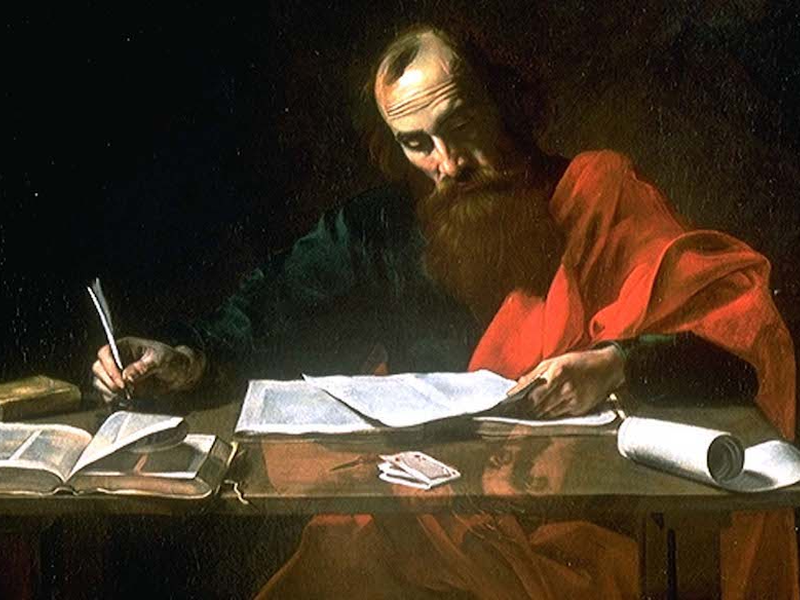
paul-2
Romans

Notes on Scary Stuff in Romans 9

What shall we say then? Is there injustice on God’s part? By no means! For he says to Moses, “I will have mercy on whom I have mercy, and I will have compassion on whom I have compassion.” So then it depends not on human will or exertion, but on…

by Mark HorneFebruary 5, 2015
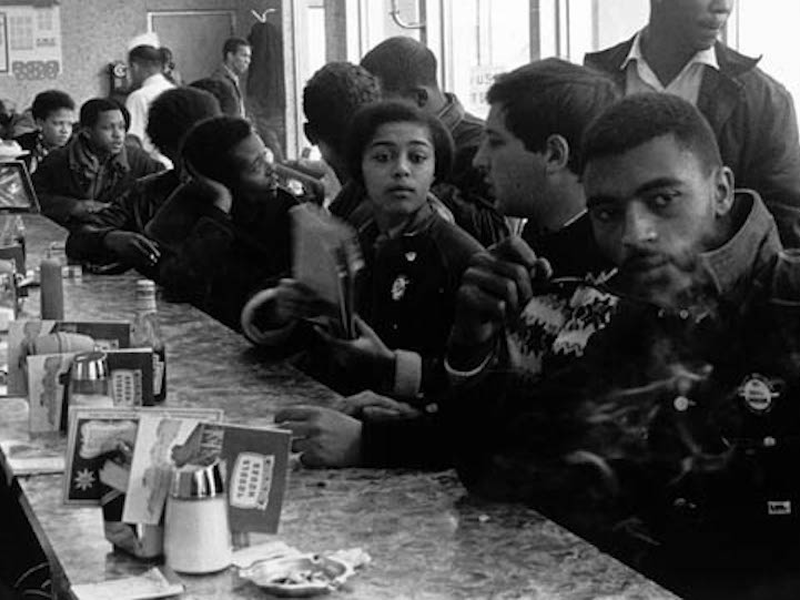
lunch-counter
American Politics

Covenants of Exclusion

A hundred years ago, William Warley signed a contract to buy a house in Louisville, Kentucky from Charles Buchanan, a white man. Before closing the sale, Warley, who was black, learned that the lot was subject to a city ordinance barring blacks from occupying the premises if most of the…

by Brendan O'DonnellFebruary 3, 2015
shakespeare-2
Literature

The Bard and the Book

I concluded the first essay on this topic by saying that I would introduce three books about Shakespeare and the Bible, but I decided to introduce four instead. The three books become four are: Naseeb Shaheen, Biblical References in Shakespeare’s Plays (London: Associated University Presses, 1999) ; Hannibal Hamlin, The…

by Ralph Allan SmithJanuary 29, 2015
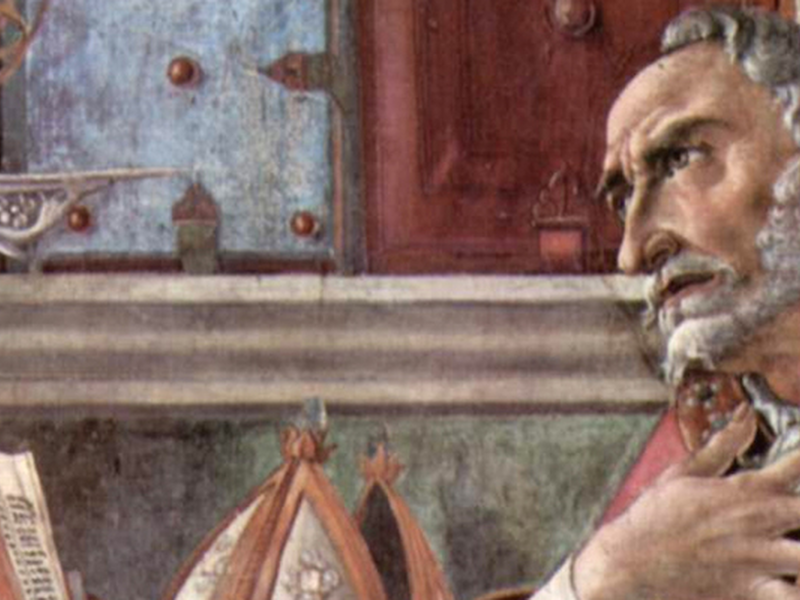
augustine-2
Augustine

Augustine on Pagan Virtue

My children attend a classical Christian school, situated in the independent “free church” evangelical tradition. Over the past few years they have been growing in their acquaintance with the world of Homer, Plato, Virgil, and Livy. They enjoy it, and I envy it. The school is a great school. My…

by Gerald HiestandJanuary 27, 2015
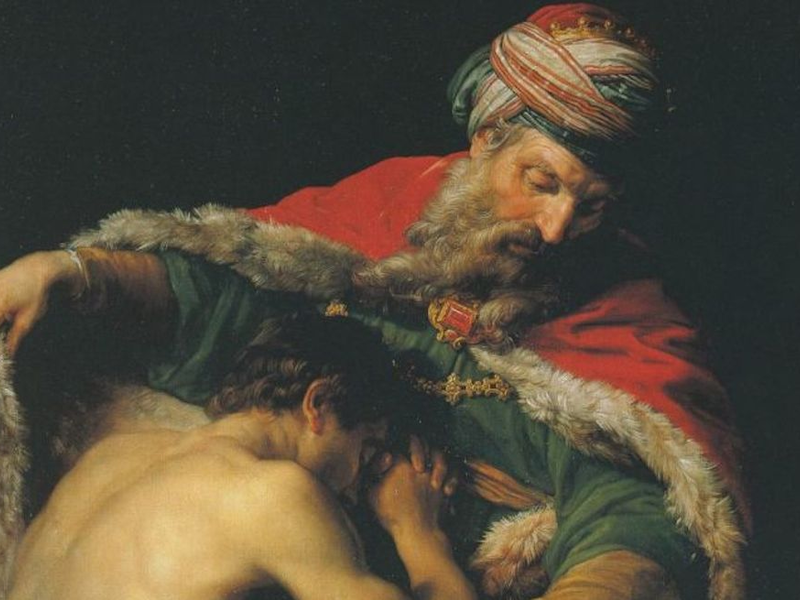
prodigal-son
Atonement

The Prodigal and the Cross

The Prodigal Son parable (Luke 15) has been a favorite of liberal theologians for a couple of centuries. It seems to be a parable designed for liberal sensibilities: An indulgent, accepting Father; forgiveness extended without a cross; a surly older brother who might represent the "conservative" face of religion who…

by Peter LeithartJanuary 22, 2015
sky-from-bridge
Ascension

Underground Man, Ascended Man

“I want now to tell you, gentlemen, whether you care to hear it or not, why I could not even become an insect. I tell you solemnly, that I have many times tried to become an insect. But I was not equal even to that. I swear, gentlemen, that to…

by Richard BledsoeJanuary 20, 2015

Showing page 161 of 309

See all
See all

Justice and Faith in Acts

Paul's sermons in Acts 13 and 17 both employ language connected with the theme of justification that occupies so much attention in Romans and Galatians. Yet Paul uses the same concepts and terminology in ways that don't seem to fit his usage in the epistles. In Acts 13:38-39, he tells…

April 26, 2016

Protestant Individualism?

In her book on Common Prayer , Ramie Targoff claims that “What emerges in the aftermath of the Reformation is less a triumphant embrace of the individual's private and individual self than a concerted effort to shape the otherwise uncontrollable and unreliable internal sphere through common acts of devotion” (6).…

April 26, 2016

Sons of Levi

The genealogy of Levi is at the center of the genealogical section of 1 Chronicles. The genealogy begins with Adam and reaches ahead to the restoration from exile. In short, the genealogies survey all of human history, and, with the Levites at the center, it's as if the human race…

April 25, 2016

Atoning Alms

Early on in David Downs's study of Alms and atonement in early Christianity, he offers this striking quotation from Basil. He urges his hearers to keep the commandment to feed the hungry “as you would take hold of a fugitive, securing it from all sides with grasping hands and encircling…

April 25, 2016

Suffering Historiography

Theological investigations of Naziism are often dogged by “a subtle methodological difficulty,” writes Paul Hinlicky in Before Auschwitz (2): “the ‘retrospective fallacy,' sometimes also called ‘presentism.'” As Hinlicky explains, “Unlike the historical actors in church and society during the 1920s and 1930s in Germany, our inquiry benefits from certain knowledge…

April 25, 2016

Pagans and their Images

Paul's criticism of idols in his Athens speech repeats philosophical commonplaces about the nature of God and the difference between God and images, commonplaces as old as Plato and as contemporary as Seneca. But they were philosophical commonplaces. Lane Fox has pointed out that the philosophical skepticism about images was…

April 21, 2016

Showing page 296 of 2212

Browse by Category

In Medias Res

Your weekly digest for all things Theopolis.

Donate

Theopolis is nearly 100% donor-supported. Consider joining us on our mission.