Theopolis Logo

Writing

Explore our collection of theological essays, biblical studies, and reflections on faith and culture.

See all
cloister

Gatekeepers

1 Chronicles 9:1 seems to bring the genealogies of 1 Chronicles to an end. The Chronicler has recorded the genealogy of the human race from Adam, focusing on the descendants of Abraham through Jacob. Summing it all up, he says, “So all Israel was enrolled by genealogies; and behold, they…

by Peter LeithartJune 21, 2016
trinity-1-2
Trinity

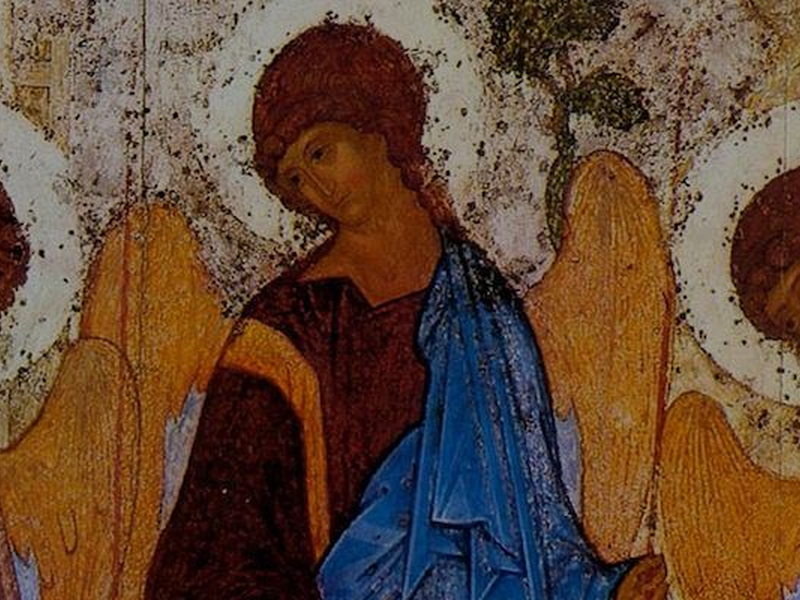
Are the Divine Persons Persons?

The “personalist” understanding of the Trinity, articulated most influentially in the work of John Zizioulas, has fallen on hard times. Recent scholars have attacked Zizioulas’s idea that Cappadocian Trinitarianism represented an ontological revolution, hammering on the distinction between divine and human personhood. Michel Barnes’s conclusion is the most drastic of…

by Peter LeithartJune 16, 2016
img_4660-2
Architecture

On Biblical Theology

Biblical Theology is often defined as the historical unfolding of God’s revelation, or of God’s revelation and of the history of his covenantal redemption and transformation of humanity and the world. In practice, Biblical Theology is usually broader than this, and also includes the study of literary structure and of…

by James B. JordanJune 14, 2016
laughing_statue_by_xxbobbiie-d5f0meh-2
Humor

Wise Laughter

We are made to be happy. Created to enter into the eternal joy of God, our whole being inclines to that end, but the fallen world has put forth barriers and by our own sin we bar ourselves from that endless delight, and death blinds us to that reality. Yet…

by Remy WilkinsJune 7, 2016
img_7664
Liturgy

Why Theopolis? Take Two

At the end of Revelation, John sees the heavenly city descending to earth. The city shines with the brilliance of God's glory, which lightens the nations, so that kings bring their glory to the city. This is not a vision of the final new heaven and new earth. It's a…

by Peter LeithartJune 2, 2016
trinity-1-2
Attributes of God

How Can We Talk About God?

“No one has ever seen God,” writes John (John 1:18). If this is the case, then how can we speak about God? Some people say we actually cannot. Or at least we cannot speak about God positively, i.e. who He is. We can only say who or what God is…

by Bogumil JarmulakMay 31, 2016

Showing page 130 of 309

See all
See all

Word Made Militant

The figure on the white horse in Revelation 19:11-16 is identified as the “Word of God” (v. 13) and as King of kings and Lord of lords (v. 16). This is the eternal Word made flesh, now made warrior and king. This Word is no passive Word, but a militant,…

July 22, 2015

Jesus, Root and Seed of David

Jesus speaks His final words to John in Revelation 22:16: I Jesus sent my angel to witness to you these things in the churches. I am the root and offspring of David, the star, the dazzling one of morning. It's a beautifully composed verse. Jesus begins with an emphatic ego…

July 22, 2015

Return of the Gods

In case you missed Hannes Stein's 1999 First Things piece on the return of ancient gods: Don't. It's more relevant today than when it was published. A few highlights: After describing human sacrifice among the Aztecs, Stein points out: “The Aztecs were not exceptionally cruel; and only a fool would…

July 22, 2015

Sodomy and the Bible

John Rankin submitted an amicus brief in Obergefell v. Hodges , and posted a version online. It's a rare instance of an effort to give an overtly biblical argument against same-sex marriage, one that is simultaneously grounded in the founding documents of the American system. The argument, in a nutshell,…

July 22, 2015

Structure in Revelation 19-21

Revelation 19-21:8 functions as a literary unit, broken up into subunits by the phrase “and I heard” (19:1; 21:3) and “and I saw” (19:11, 17, 19; 20:1, 4, 11; 21:1, 2). There are ten sections in all. The two “hearing visions” frame the section. In 19:1, John hears the loud…

July 21, 2015

Pomo Pentecostalism

David Martin ( Tongues of Fire , 165) cites a study of Mexican Pentecostal healing that highlights the anti-modernity of the Pentecostal movement. Like black culture and partly because of it, Pentecostalism is characterized by “an emphasis on the spoken as much as the written; the ‘telling' of faith and…

July 21, 2015

Showing page 400 of 2212

Browse by Category

In Medias Res

Your weekly digest for all things Theopolis.

Donate

Theopolis is nearly 100% donor-supported. Consider joining us on our mission.