Theopolis Logo

Writing

Explore our collection of theological essays, biblical studies, and reflections on faith and culture.

See all
cloister

Gatekeepers

1 Chronicles 9:1 seems to bring the genealogies of 1 Chronicles to an end. The Chronicler has recorded the genealogy of the human race from Adam, focusing on the descendants of Abraham through Jacob. Summing it all up, he says, “So all Israel was enrolled by genealogies; and behold, they…

by Peter LeithartJune 21, 2016
trinity-1-2
Trinity

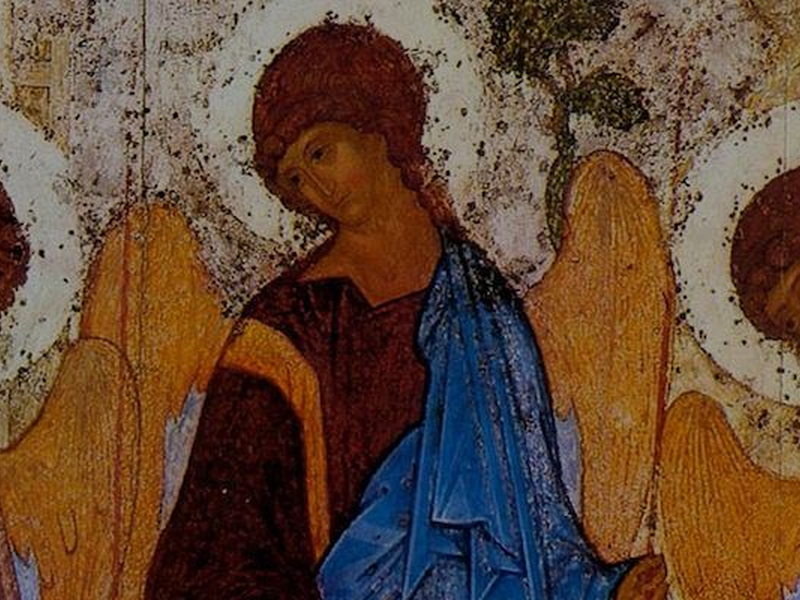
Are the Divine Persons Persons?

The “personalist” understanding of the Trinity, articulated most influentially in the work of John Zizioulas, has fallen on hard times. Recent scholars have attacked Zizioulas’s idea that Cappadocian Trinitarianism represented an ontological revolution, hammering on the distinction between divine and human personhood. Michel Barnes’s conclusion is the most drastic of…

by Peter LeithartJune 16, 2016
img_4660-2
Architecture

On Biblical Theology

Biblical Theology is often defined as the historical unfolding of God’s revelation, or of God’s revelation and of the history of his covenantal redemption and transformation of humanity and the world. In practice, Biblical Theology is usually broader than this, and also includes the study of literary structure and of…

by James B. JordanJune 14, 2016
laughing_statue_by_xxbobbiie-d5f0meh-2
Humor

Wise Laughter

We are made to be happy. Created to enter into the eternal joy of God, our whole being inclines to that end, but the fallen world has put forth barriers and by our own sin we bar ourselves from that endless delight, and death blinds us to that reality. Yet…

by Remy WilkinsJune 7, 2016
img_7664
Liturgy

Why Theopolis? Take Two

At the end of Revelation, John sees the heavenly city descending to earth. The city shines with the brilliance of God's glory, which lightens the nations, so that kings bring their glory to the city. This is not a vision of the final new heaven and new earth. It's a…

by Peter LeithartJune 2, 2016
trinity-1-2
Attributes of God

How Can We Talk About God?

“No one has ever seen God,” writes John (John 1:18). If this is the case, then how can we speak about God? Some people say we actually cannot. Or at least we cannot speak about God positively, i.e. who He is. We can only say who or what God is…

by Bogumil JarmulakMay 31, 2016

Showing page 130 of 309

See all
See all

Don't Forget the Poor

In Galatians 2:10, Paul unexpectedly makes a reference to the Jerusalem apostles' interest in the poor and his own eagerness to provide assistance. What is this doing in a letter about justification and Jew/Gentile relations? Historically, this reference suggests that the visit he describes in Galatians 2:10 is the same…

May 29, 2015

By the Spirit

The contrasting lists of “deeds of the flesh” and “fruits of the Spirit” in Galatians 5:16-25 are arranged in a chiastic inversion: a. Walk by Spirit b. Flesh and Spirit at war c. Deeds of the flesh d. No inheritance for flesh c'. Fruits of the Spirit b'. Crucifixion of…

May 29, 2015

Alpha Spirit, Omega Spirit

Paul rebukes the Galatians for beginning by the Spirit, and then attempting to revert to the flesh (Galatians 3:1-5). The Spirit initiates the Christian life. Paul makes it clear later in Galatians that the whole Christian life is life in the Spirit. We “walk” by the Spirit, and “stay in…

May 29, 2015

Eyeing Evolution

No “sequence of fossils by itself” can “demonstrate whether Darwinian mutation and natural selection can and did evolve genuine biological novelties (new structures or body plans),” argues Leonard Brand ( Faith, Reason, & Earth History , 281). Some other sort of evidence is needed. Brand doesn't find such evidence in…

May 28, 2015

The World's Most Interesting Man

Philip Zimbardo and Nikita D. Coulombe ( Man (Dis)connecte d , 226) claim that the average American male teen plays video games 676 hours each year. With that time, he could. . . . Learn the rudiments of French on Rosetta Stone (205 hours); Learn to play the guitar (260…

May 28, 2015

Prosperity Gospel

In Signs and Wonders (65–66), Paul Alexander recounts a conversation with Nigerian theologian Lawrence Nwankwo. Nwankwo expressed the opinion that God wants all Christians to be prosperous. Alexander offered a corrective: “Food, clothing, shelter, health care, and education—these things are necessary and important, but prosperity for all is impossible. It’s…

May 28, 2015

Showing page 420 of 2212

Browse by Category

In Medias Res

Your weekly digest for all things Theopolis.

Donate

Theopolis is nearly 100% donor-supported. Consider joining us on our mission.