Theopolis Logo

Writing

Explore our collection of theological essays, biblical studies, and reflections on faith and culture.

See all
hebrew-manuscript-2
Atonement

Footstool of His Feet

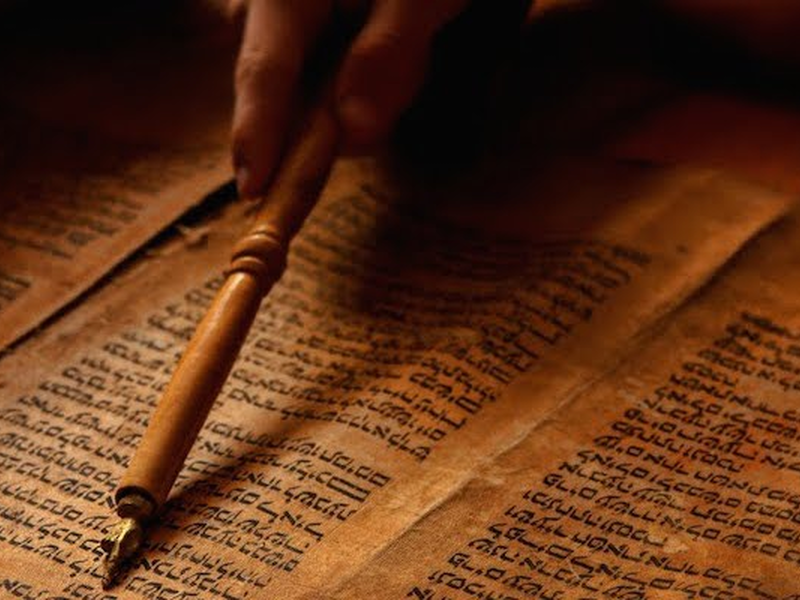
The translation and theology of the Hebrew term kapporet have long been puzzling to scholars. On the translation of the term, I have nothing new to offer. I wish instead to concentrate on the theological symbolism of the kapporet . The kapporet was the solid gold slab that laid "above"…

by Peter LeithartMarch 9, 2017

screen-shot-2016-03-31-at-9-32-11-am
Art

The Hermeneutics of Haiku

“Three lines are enough” -Rabindranath Tagore My second favorite((I frequently use the “my second favorite” as a figure of speech meaning: “here’s a good one” and to also prompt the question, “What’s your first favorite?”)) haiku was written by some internet wag: Haikus are easy But sometimes they don’t make…

by Remy WilkinsMarch 7, 2017
neon-bible
Biblical Studies

The Scriptures Made Strange

The history of the Reformation couldn’t adequately be recounted without discussing the remarkable role played by the relatively recent innovations and developments in book production and printing. The printing press facilitated the rapid production and dissemination of multiple copies of pamphlets and books, which enabled the Reformers to circulate their…

by Alastair RobertsMarch 2, 2017
cross-grunwald
Church Calendar

School of Suffering

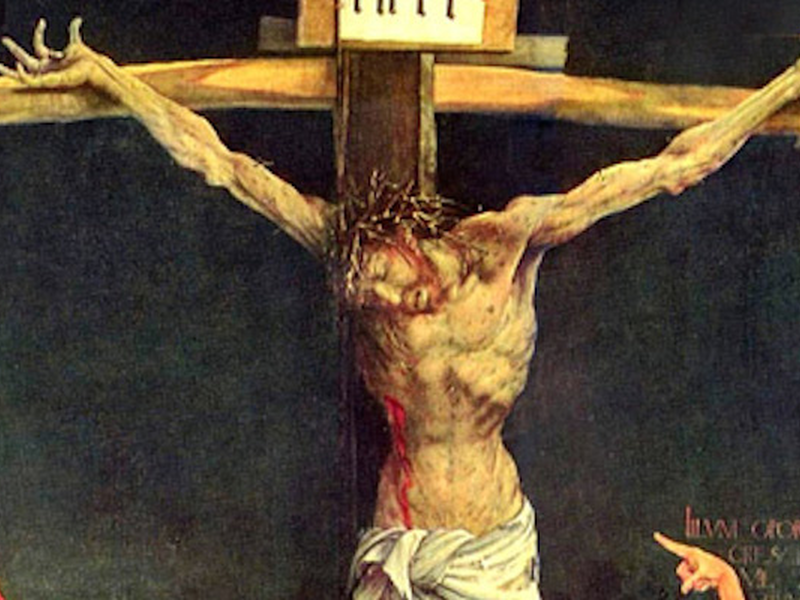
As evangelicals, we’re convinced that Christ’s work is finished, complete, and utterly sufficient. For many evangelicals, this is the gospel: Nothing can take away from Christ’s work, and surely nothing can be added to it by my works or my penance, by self-denial or sacraments or sacrifice. Nothing is lacking…

by Peter LeithartFebruary 28, 2017
img_0166
Eucharist

Worship and Ceremony: Part 1

Evangelicalism needs a return to formal and Biblical worship. Worship is a public act, performed on the surface of God's true altar, the world, before His throne. Man's chief end is to glorify and enjoy God, and worship is done for God's pleasure. It is man's highest privilege to dance…

by James B. JordanFebruary 23, 2017
paul
Romans

Grace Reigns In Death

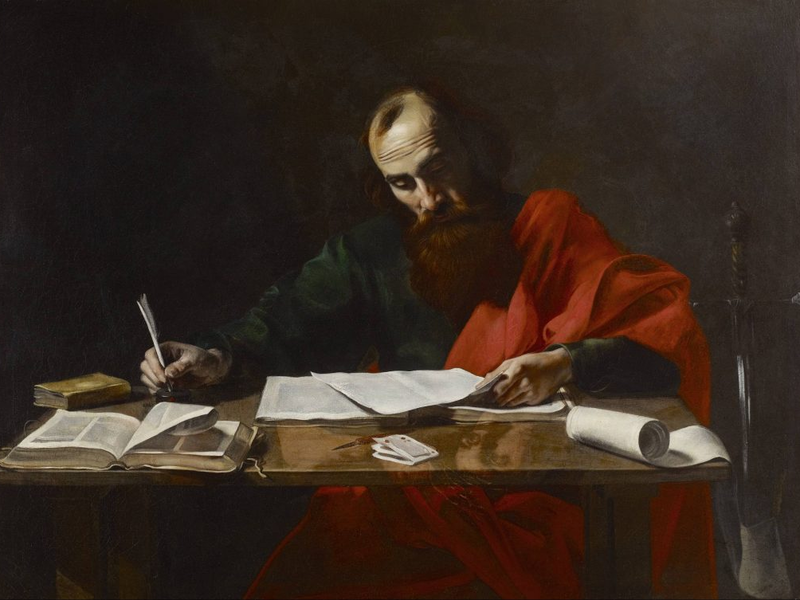
The evidence of sin and its death ruling in the world is clear. Paul describes the situation vividly in the opening section of his letter to the Romans. No matter who you are, Jew or Gentile, you have the same problem: you are “under sin” (Romans 3:9). Being under sin…

by Bill SmithFebruary 21, 2017

Showing page 116 of 309

See all
See all

Derived Aseity

Aseity is the property that describes a being’s self-causation. In theology, to speak of divine aseity is to say that God exists in and of Himself. He is not derived from or dependent upon anything else. He is fully Himself in Himself and of Himself. He is a se .…

January 13, 2015

Pure and Holy

Naomi Koltun-Fromm argues ( Hermeneutics of Holiness ) that the concepts of purity and holiness, while normally distinct in the Hebrew Bible, are blurred in some passages where qadash is used in contexts that speak of purity and purification rather than of consecration. In 1 Samuel 21:6, David says that…

January 12, 2015

Holy Seed

Explaining Ezra’s concern about the mixed marriages in the restoration community, Naomi Koltun-Fromm ( Hermeneutics of Holiness ) writes, “Ezra presents Israel not only as holy but as a qodesh in its own right—a freestanding holy thing, a holy seed, a sanctum. As such, it must be protected (or in…

January 12, 2015

Catholic Historiography

In his contribution to Seeing Things Their Way , Richard Muller discusses and commends the recent effort to free church history from denominational apologetics. When the Reformers are viewed in the light of late medieval theology (as in the work of Heiko Oberman), unexpected commonalities appear: “Common ground can be…

January 12, 2015
Death

Die Alone, Live Alone

At the end of Albert Camus’s The Stranger , the narrator is on death row for killing an Arab. Death is familiar to him. It is the “black wind” that has blown through his entire life. For Camus’s Stranger, the inevitability of death makes life indifferent. It does not matter…

January 12, 2015

War of Indefinites

In his recent Zero to One , Peter Thiel sets out a neat typology of philosophy, politics, and cultural attitudes based on differing stances toward the future. He distinguishes optimists and pessimists, and subdivides each into “definite” and “indefinite.” Optimists and pessimists are obvious: One is bullish about the future,…

January 9, 2015

Showing page 478 of 2212

Browse by Category

In Medias Res

Your weekly digest for all things Theopolis.

Donate

Theopolis is nearly 100% donor-supported. Consider joining us on our mission.