Theopolis Logo

Writing

Explore our collection of theological essays, biblical studies, and reflections on faith and culture.

See all
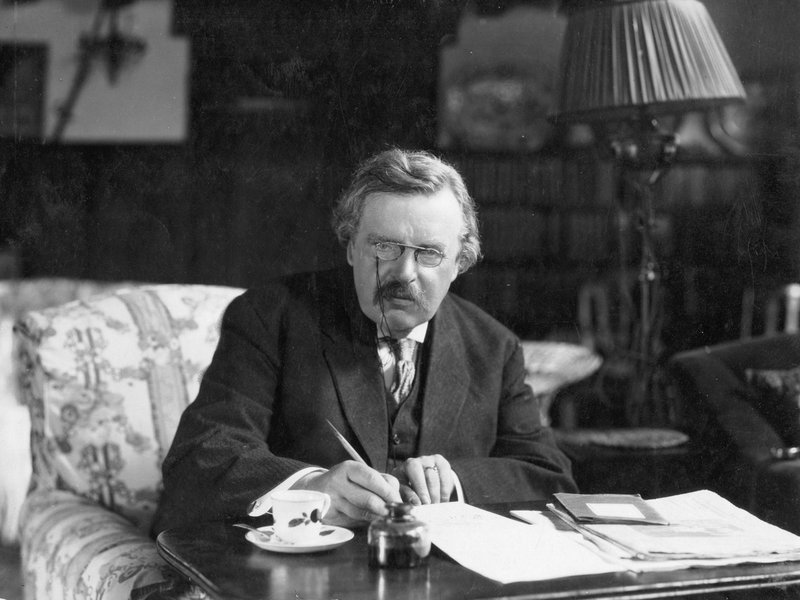
g-_k-_chesterton_at_work
Books

Interpreting "The Man Who Was Thursday"

I just finished re-reading G. K. Chesterton’s The Man Who Was Thursday . I have in the past had the temerity to say that I believe it to be the best novel of the 20th century. Be that as it may, I still maintain that it is at least one…

by Richard BledsoeJanuary 7, 2022
10779-istockgetty-images-plusredletterw
Hebrews

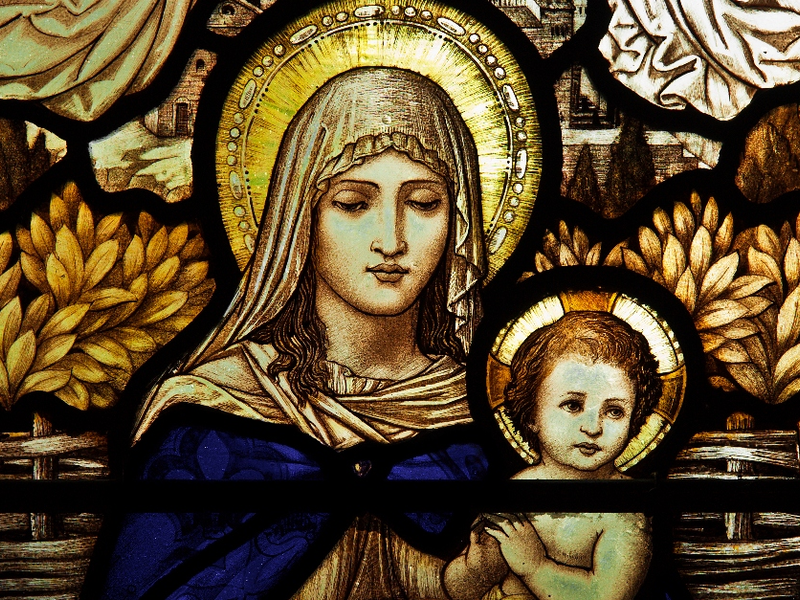
The Universality of Mary’s Wound

And Simeon blessed them and said to Mary his mother, “Behold, this child is set for the fall and rising of many in Israel, and for a sign that is spoken against and a sword will pierce through your own soul also, that thoughts out of many hearts may be…

by Garrett SoucyJanuary 4, 2022
heartierhymnals-stockimage
Music

An Argument for Heartier Hymnals

I was inspired to write this article after reading John Ahern’s The Case for Shorter Hymnals first published on Theopolis Institute’s website on November 16, 2021. Mr. Ahern and I are writing with different audiences and emphases in mind. I am thankful we both share a mutual desire to see…

by Jarrod RicheyDecember 30, 2021
tim-marshall-k2u71wv2ei4-unsplash-1
Biblical Studies

Image of God

If you’ve spent any time in the social-media galaxy of Christian cultural commentators, you have almost definitely run across the Latin phrase Imago Dei . It means image of God . Why they usually say it in Latin, I couldn’t tell you. We saw it in the wake of the…

by Daniel HoffmanDecember 28, 2021
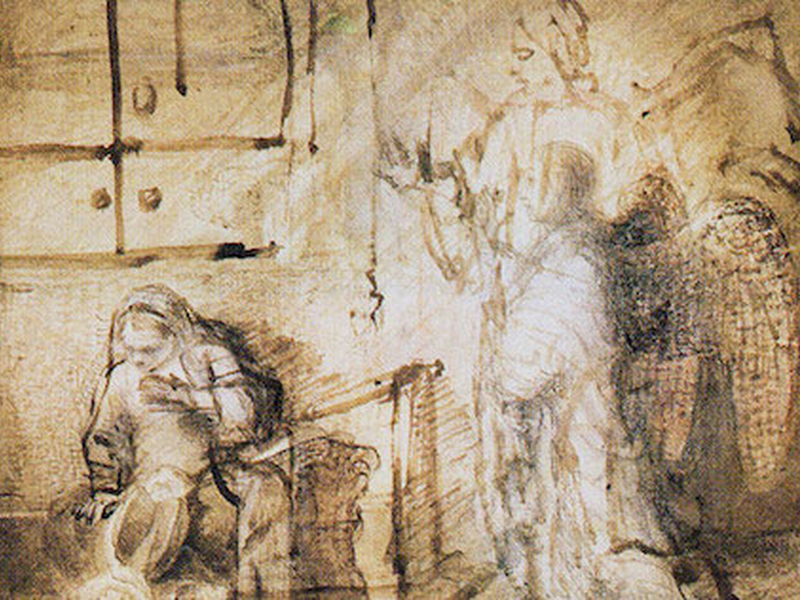
annunciation
Advent

He Comes to Make His Blessings Known: "Son of David" and "Son of Abraham" in Matthew 1:1

The Gospel of Matthew—indeed, the New Testament—begins with a list of names, and that list of names is introduced by this heading: “The book of the generations of Jesus Christ, the son of David, the son of Abraham.” Why start like this? Why “the son of David” and “the son…

by Josh JensenDecember 23, 2021
49980-nicolas_poussin_-_the_judgment_of_solomon_-_wga18330-800w-tn
Biblical Studies

On Not Needing to Cut the Baby in Half

A blade is raised. A child wails. But the brow under the crown is untroubled. Solomon knows that the raising of the sword will reveal the true parent and the identity of the son. But how did he know this? Abraham’s willingness to sacrifice Isaac certainly bears some of the…

by Jonathan WhiteDecember 21, 2021

Showing page 48 of 309

See all
See all
Economics

Historicizing Homo Economicus

Among the German writers that Liebersohn ( The Return of the Gift ) discusses, Karl Bucher stands out as a crucial figure. Like other German economists, Bucher objected to what he saw as abstract British economic theories, which attempted to universalize the historically specific British experience. Beyond other theorists, and…

June 29, 2012
American Religion

Instant America

In his fascinating intellectual history of nineteenth and twentieth-century theories about gifts ( The Return of the Gift ), Harry Liebersohn discusses the theories of nineteen-century German economists who attempted to historicize economics. Friedrich List’s advocacy of rapid German modernization was partly shaped by his experience of the United States.…

June 29, 2012
Literature

Literature Guide

Louis Markos packs an awful lot into the 130 pages of his new Literature: A Student’s Guide (Reclaiming the Christian Intellectual Tradition) . The book is an introduction to poetry, with a chapter on metrics and rhyme and another on poetic tropes and imagery. Halfway through, it turns into a…

June 27, 2012
History

State and Modernity

In his Guilt and Gratitude: A Study of the Origins of Contemporary Conscience (Contributions in Philosophy) (pp. 37-8) , Joseph Amato follows Karl Polanyi in noting how the introduction of markets, contract, cash, corporations “radically transformed traditional man’s fundamental conception of giving and taking.” Adjusting to this new order left…

June 27, 2012
History

Keeping things together

In the second book of De Specialibus Legibus Philo writes about the feast of trumpets: “Immediately after comes the festival of the sacred moon; in which it is the custom to play the trumpet in the temple at the same moment that the sacrifices are offered. From which practice this…

June 26, 2012

Self-gift

John Paul II ( Man and Woman He Created Them: A Theology Of The Body , p. 168-9 ) notes that parents and children have a natural fleshly unity with one another. In marriage, by contrast, the one-flesh relationship is chosen: This “reciprocal choice . . . establishes the conjugal…

June 26, 2012

Showing page 894 of 2212

Browse by Category

In Medias Res

Your weekly digest for all things Theopolis.

Donate

Theopolis is nearly 100% donor-supported. Consider joining us on our mission.