Theopolis Logo

Writing

Explore our collection of theological essays, biblical studies, and reflections on faith and culture.

See all
cloister

Gatekeepers

1 Chronicles 9:1 seems to bring the genealogies of 1 Chronicles to an end. The Chronicler has recorded the genealogy of the human race from Adam, focusing on the descendants of Abraham through Jacob. Summing it all up, he says, “So all Israel was enrolled by genealogies; and behold, they…

by Peter LeithartJune 21, 2016
trinity-1-2
Trinity

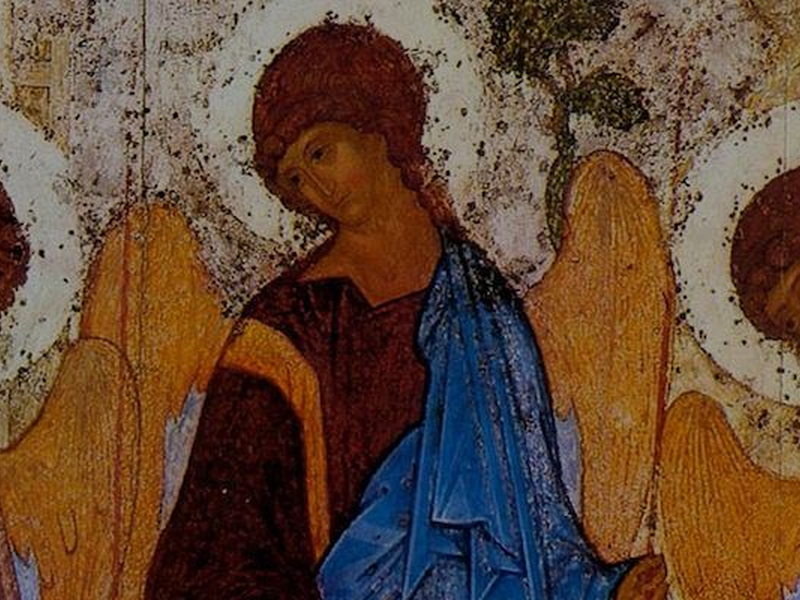
Are the Divine Persons Persons?

The “personalist” understanding of the Trinity, articulated most influentially in the work of John Zizioulas, has fallen on hard times. Recent scholars have attacked Zizioulas’s idea that Cappadocian Trinitarianism represented an ontological revolution, hammering on the distinction between divine and human personhood. Michel Barnes’s conclusion is the most drastic of…

by Peter LeithartJune 16, 2016
img_4660-2
Architecture

On Biblical Theology

Biblical Theology is often defined as the historical unfolding of God’s revelation, or of God’s revelation and of the history of his covenantal redemption and transformation of humanity and the world. In practice, Biblical Theology is usually broader than this, and also includes the study of literary structure and of…

by James B. JordanJune 14, 2016
laughing_statue_by_xxbobbiie-d5f0meh-2
Humor

Wise Laughter

We are made to be happy. Created to enter into the eternal joy of God, our whole being inclines to that end, but the fallen world has put forth barriers and by our own sin we bar ourselves from that endless delight, and death blinds us to that reality. Yet…

by Remy WilkinsJune 7, 2016
img_7664
Liturgy

Why Theopolis? Take Two

At the end of Revelation, John sees the heavenly city descending to earth. The city shines with the brilliance of God's glory, which lightens the nations, so that kings bring their glory to the city. This is not a vision of the final new heaven and new earth. It's a…

by Peter LeithartJune 2, 2016
trinity-1-2
Attributes of God

How Can We Talk About God?

“No one has ever seen God,” writes John (John 1:18). If this is the case, then how can we speak about God? Some people say we actually cannot. Or at least we cannot speak about God positively, i.e. who He is. We can only say who or what God is…

by Bogumil JarmulakMay 31, 2016

Showing page 130 of 309

See all
See all
Philosophy

The Will Behind the Veil

Julian Young offers a neat summary of the Arthur Schopenhauer (the "first European Buddhist") at the TLS . Schopenhauer's philosophy can be pinpointed by contrast with two better-known thinkers. Against Hegel's fantastic " Bildungsroman , a story of the ever-increasing realization of 'reason' in human affairs," Schopenhauer offered a thoroughgoing,…

September 15, 2017

Toscanini Rules

"How is it possible," asks Terry Teachout , "that a man who made his conducting debut when Grover Cleveland was president should still be sufficiently well known and revered that most of his recordings remain in print to this day?" Teachout thinks that Harvey Sachs's Toscanini: Musician of Conscience comes…

September 15, 2017

Self-Published Borges

The first published book of Jorge Luis Borges, the great Argentinian poet and short-story writer, was Fervor de Buenos Aires . Borges later wrote, “ Fervor de Buenos Aires foreshadows everything I would do afterward.” It was a slapdash production, Borges claimed in his autobiography: “The book was actually printed…

September 15, 2017

Secular Salvation

John Colmer observes in his study of E.M. Forster that Forster's novels transpose Christian terms into a secular key: "a whole set of religious terms - salvation, grace, conversion, transfiguration - become assimilated into an essentially secular vision. . . . Men now seek their happiness on this earth not…

September 15, 2017

Fall of the Creative Class?

Richard Florida's 2002 Rise of the Creative Class was a manifesto for urban hipness. As Joseph Bottum sums up the book , Florida argued that "cities thrive when these creative types are allowed to build the creative economy. Their tolerance for alternative lifestyles and their acceptance of unconventional housing broke…

September 15, 2017

Medieval Tolerance

"Medieval tolerance" sounds like an oxymoron. Everyone knows the medievals were in tolerant. Everyone knows that tolerance was invented in the modern world. Everyone who knows such things is wrong. Istvan Bejczy demonstrates in a 1997 essay that medieval thinkers had a well-developed concept of tolerance. He goes further than…

September 14, 2017

Showing page 144 of 2212

Browse by Category

In Medias Res

Your weekly digest for all things Theopolis.

Donate

Theopolis is nearly 100% donor-supported. Consider joining us on our mission.