
Theopolis Logo

Writing

Explore our collection of theological essays, biblical studies, and reflections on faith and culture.

See all
jacek-dylag-pmxt0xtq-a-unsplash
Culture

Consumerism, Oikos, and the Role of Women in the Church

Part 1 We do not understand the role of women in ministry because we do not understand the role of men in ministry. We do not understand the role of men in ministry because we do not understand the church. We do not understand the church because the consumer culture…

by John CarpenterJuly 11, 2023
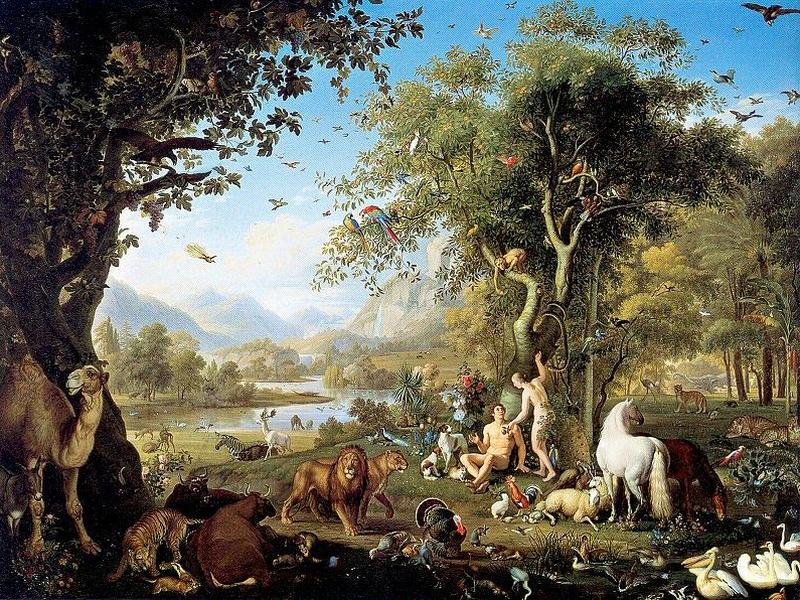
adam-and-eve-in-the-garden-of-eden-wenzel-peter
Biblical Theology

Genesis’ Beginning Story

1. One structure The Creation account (G1:1-2:4) conspicuously conveys meaning using the literary shape of the text. The narrative is told with formulaic patterns, repetitions, and parallelism. The Garden account is different. It is viewed as a separate text, with its own author, employing its own structure. This second account’s…

by Scott FairbanksJune 28, 2023
jelleke-vanooteghem-gnxb59lgu1m-unsplash
Baptism

Crystalline Baptism

I was reading James Jordan’s Creation in Six Days while also preparing for Trinity Sunday in which the gospel reading is John 3:1-15. As providence would have it Jordan dropped an easter egg for me along the lines of baptism. In chapter 5 he points out, “ On the second…

by Matthew CoreyJune 20, 2023
ryan-loughlin-a8cewc-qgq-unsplash
Baptism

Christians Should Baptize Their Children, but Not Because of Circumcision

It's true. There is no verse in the New Testament that commands or records an infant baptism. This poses a problem for some Christians. Those who only look for explicit commands, or those whose theology is limited to the New Testament, will conclude that infant baptism is not biblical and…

by Adam McIntoshJune 13, 2023
adam-and-eve-in-the-garden-of-eden-wenzel-peter
Biblical Studies

Polarities

1. Goal This paper’s goal is to identify and describe a literary strategy employed by scripture, namely using two episodes that cover similar territory or themes using details drawn from opposite ends of a number of spectrums. Once described the reader may recognize numerous other instances of this strategy in…

by Scott FairbanksJune 7, 2023
juli-kosolapova-us_dv71f1bc-unsplash
Deuteronomy

Kind Capital Punishment

Numbers 14 records the tragic story of Israel’s decision to rebel against Yahweh and Moses. Twelve spies had been sent into the land to bring back a report to Israel. All twelve spies agreed: “We went to the land where you sent us. It truly flows with milk and honey”…

by Ralph Allan SmithMay 31, 2023

Showing page 30 of 309

See all
See all
Literature

The Politics of Playing

Plays might be promoted as a kind of opiate of the masses: Mass entertainment that keeps them from more violent entertainments like rioting and pillaging. This could be problematic, if the entertainments were too heady for most people to follow. Thomas Heywood (1612) suggested that playwrights should “ayme . .…

September 28, 2006
Literature

Shakespeare regulated

How regulated was Shakespeare’s own theater? And for what reasons? Patterson highlights various reasons for closing or permitting theaters: audience composition, including the fear that a large collection of workers might be distruptive; public health; economic concerns; religious and moral concerns, especially Sabbatarian; and “a shifting and elusive imperative to…

September 28, 2006
Literature

American Shakespeare

Shakespeare’s fortunes in the US were, understandably, different from in England. Initially, Shakespeare was America’s most popular playwright, appealing to a wide sector of the American populace. Patterson notes that “by the end of the nineteenth century ‘Shakespeare’ had become a cultural icon, the property only of the ‘legitimate theater,’…

September 28, 2006
Literature

Popular Shakespeare

Annabel Patterson notes ( Shakespeare and the Popular Voice ) that contemporary critics, whatever their own political outlook, assume that Shakespeare was an advocate of Elizabethan hierarchy. This view, however, is a product of the 19th century. Dryden, Johnson, and others criticize Shakespeare for violating the conventions of his genre,…

September 28, 2006
Literature

Courtly Shakespeare, IV

By the 18th century, acting styles also invested Shakespeare with “courtly” virtues of control, dignity, stateliness. Dobson writes, “Shakespearian acting . . . in the decades following Betterton’s death in 1710, seems to have settled into a grandiloquent vein of static declamation, best exemplified by the stout James Quin (1693-1766)…

September 28, 2006
Literature

Courtly Shakespeare, III

Dobson again: “after Charles II’s death in 1685 England would never again have another monarch with such an informed interest in the drama (or, mercifully, such a lascivious one), and deprived of royal patronage and protection the playhouses came under renewed attack from the moralists (led by the redoubtable clergyman…

September 28, 2006

Showing page 1785 of 2212

Browse by Category

In Medias Res

Your weekly digest for all things Theopolis.

Donate

Theopolis is nearly 100% donor-supported. Consider joining us on our mission.