Theopolis Logo

Writing

Explore our collection of theological essays, biblical studies, and reflections on faith and culture.

See all
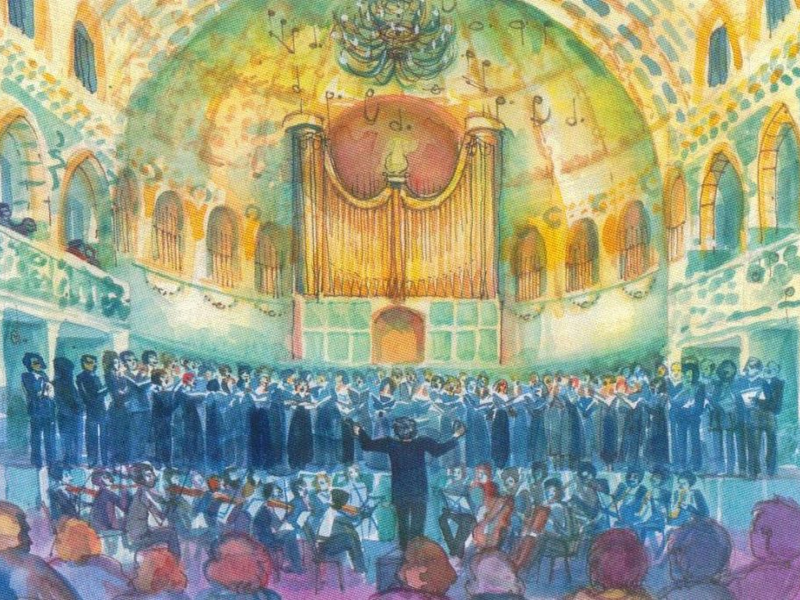
ohs-painting-concert-in-oxford-town-hall
Ephesians

Music and Drunkenness, Part 2

For Part 1, click HERE . How did Paul’s earliest commentators view his juxtaposition of music and drunkenness, and did they connect it to the ancient Greek ideas of musical ethos described in Part I? Origen, one of the earliest commentators on Paul, writes about Ephesians 5:18-19: One, however, who…

by John AhernMay 17, 2018
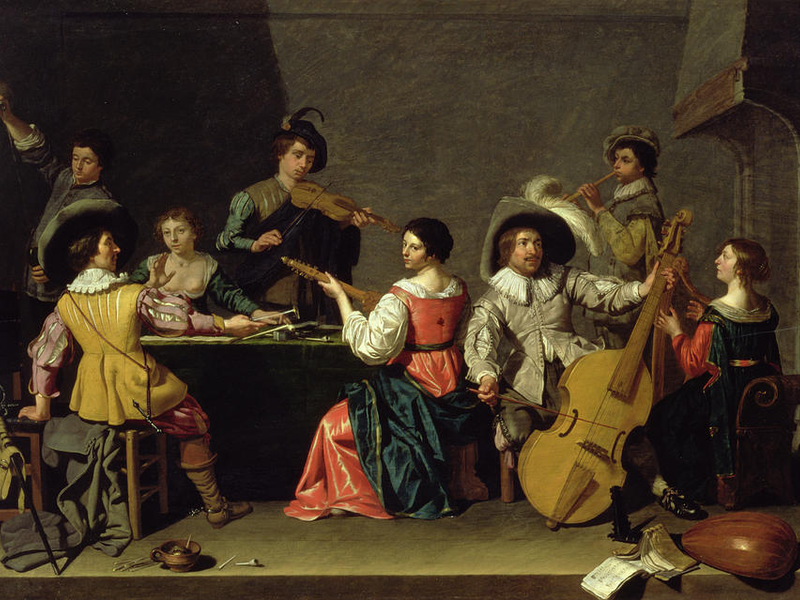
group-of-musicians-jan-van-bijlert-or-bylert
Ephesians

Music and Drunkenness, Part 1

Perhaps it is because I am a musician that I have always found Ephesians 5:18-19 so arbitrary. But isn’t it a little odd to contrast music and drunkenness? Perhaps it is not obvious that that is what Paul is doing; I know, for myself, that it is remarkably easy to…

by John AhernMay 15, 2018
infant-baptism
Baptism

Unequal Holiness

In 1 Corinthians 7:12-16 Paul deals with how the Corinthian Christians are supposed to be relating to unbelieving spouses. He essentially tells them, “Look, if your unbelieving spouse is willing to stay with you as a faithful Christian, don’t initiate a divorce. If he/she wants to leave you, let him/her…

by Bill SmithMay 10, 2018
starwarspt2
Violence

The Sword of Adam: Preterism vs. Pacifism, (Part 2)

For Part 1, click HERE . Those who focus on the supposed “pacifism” of Jesus and condemn the violence of God’s judgments throughout the Old Testament overlook the ministry of sacrificial bloodshed as an alternative to human bloodshed. The sword bearing of the sacrificial system was introduced to avoid the…

by Mike BullMay 8, 2018
obi-wan-death-edit
Violence

The Sword of Adam: Preterism vs. Pacifism, Part 1

How should a Christian respond to the objection that the Bible, like the Koran, is a book of violence and bloodshed? Numerous answers have been offered by well-meaning exegetes, but none of them gets to the heart of the matter: God desires to place a sword in the hands of…

by Mike BullMay 3, 2018
screen-shot-2018-05-02-at-12-55-14-pm
Theopolis News

Alastair Roberts Appointed As Adjunct Senior Fellow

Beginning this summer, Dr. Alastair Roberts will join the Theopolis Institute as an adjunct Senior Fellow, the Institute has announced. Dr. Roberts will be a regular on the Theopolis podcast, teach intensive courses and in the Fellows Program, and help develop new programs and outlets. Roberts earned his PhD from…

by TheopolisMay 2, 2018

Showing page 94 of 309

See all
See all
Literature

The Politics of Playing

Plays might be promoted as a kind of opiate of the masses: Mass entertainment that keeps them from more violent entertainments like rioting and pillaging. This could be problematic, if the entertainments were too heady for most people to follow. Thomas Heywood (1612) suggested that playwrights should “ayme . .…

September 28, 2006
Literature

Shakespeare regulated

How regulated was Shakespeare’s own theater? And for what reasons? Patterson highlights various reasons for closing or permitting theaters: audience composition, including the fear that a large collection of workers might be distruptive; public health; economic concerns; religious and moral concerns, especially Sabbatarian; and “a shifting and elusive imperative to…

September 28, 2006
Literature

American Shakespeare

Shakespeare’s fortunes in the US were, understandably, different from in England. Initially, Shakespeare was America’s most popular playwright, appealing to a wide sector of the American populace. Patterson notes that “by the end of the nineteenth century ‘Shakespeare’ had become a cultural icon, the property only of the ‘legitimate theater,’…

September 28, 2006
Literature

Popular Shakespeare

Annabel Patterson notes ( Shakespeare and the Popular Voice ) that contemporary critics, whatever their own political outlook, assume that Shakespeare was an advocate of Elizabethan hierarchy. This view, however, is a product of the 19th century. Dryden, Johnson, and others criticize Shakespeare for violating the conventions of his genre,…

September 28, 2006
Literature

Courtly Shakespeare, IV

By the 18th century, acting styles also invested Shakespeare with “courtly” virtues of control, dignity, stateliness. Dobson writes, “Shakespearian acting . . . in the decades following Betterton’s death in 1710, seems to have settled into a grandiloquent vein of static declamation, best exemplified by the stout James Quin (1693-1766)…

September 28, 2006
Literature

Courtly Shakespeare, III

Dobson again: “after Charles II’s death in 1685 England would never again have another monarch with such an informed interest in the drama (or, mercifully, such a lascivious one), and deprived of royal patronage and protection the playhouses came under renewed attack from the moralists (led by the redoubtable clergyman…

September 28, 2006

Showing page 1785 of 2212

Browse by Category

In Medias Res

Your weekly digest for all things Theopolis.

Donate

Theopolis is nearly 100% donor-supported. Consider joining us on our mission.