Theopolis Logo

Writing

Explore our collection of theological essays, biblical studies, and reflections on faith and culture.

See all
tanner-mardis-xuxghzhibn4-unsplash-1-2
Biblical Studies

Tweets-turned-Notes on the Bible’s Chronology

Summary In what follows, I will consider the “year-stamps” employed in Scripture, i.e., statements of the form, “Such-and-such an event took place in the Xth year of Y.” In the process, I will suggest some ways in which the Biblical narrative might relate to events in the extra-Biblical world, though…

by James BejonJuly 16, 2019
durer-prodigal-son-2
Luke

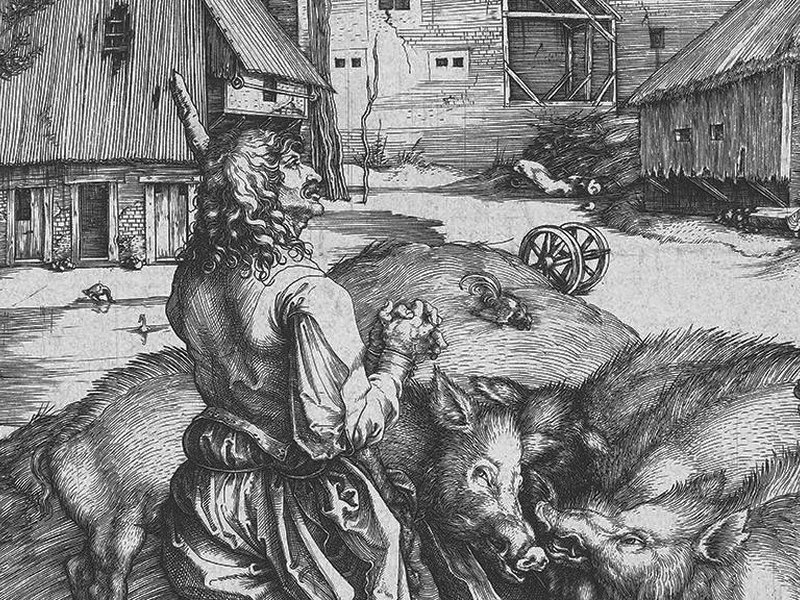
Perspectives on the Prodigal, (Part 2)

In the first essay on the parable of the Prodigal Son, I suggested that the problems commentators and others encounter in interpreting Jesus three-part parable are not accidental. These are not just problems in our ignorance of cultural background. They are intentional features of the stories —stories designed to poke…

by Ralph Allan SmithJuly 11, 2019
durer-prodigal-son-2
Luke

Perspectives on the Prodigal, (Part 1)

The story of the Prodigal Son is perhaps the most well-known story in the Bible. As others have observed, it may also be one of the most misunderstood. In two short essays, I will point out features of this story that are commonly neglected, aspects of Jesus’ parable that might…

by Ralph Allan SmithJuly 9, 2019
de-rijke-man-en-de-arme-lazarus-by-jacopo-da-ponte-16th-century
Luke

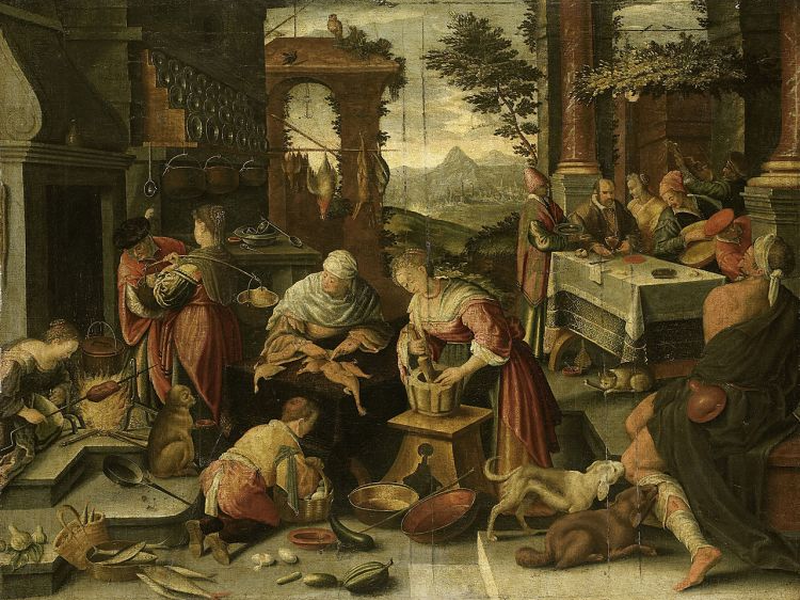
Lazarus and the Rich Man

The parable of Lazarus and the nameless rich man is not an independent story. It is part of a long context that begins in Luke 15:1, where Jesus is eating with tax collectors and sinners and the scribes and Pharisees grumble. In response to their hardheartedness, Jesus tells a three-part…

by Ralph Allan SmithJuly 4, 2019
aaron-burden-uynrnfdkjwg-unsplash
Luke

Everybody has Dropsy - Luke 14:1-24

The Bible is written so that even when a reader cannot pick up on what might be deeper or more detailed aspects of a text, there is virtually always a message to be heard. In the ancient world, where the “reader” of Scripture would likely be a church official facing…

by Ralph Allan SmithJuly 2, 2019
communion
Biblical Theology

Fruit Trees and Grain Plants

The distinction between garden (or vineyard) and field begins in Genesis 2. This relates to the ordering of the formless world. Plants of the field are contrasted with the garden planted by God in Genesis 2:5&8. Later on, under the Old Covenant the Israelites will be required to keep their…

by James B. JordanJune 27, 2019

Showing page 77 of 309

See all
See all
History

Mad Hatter’s Tea

At the Retreat organized by the asylum reformer Samuel Tuke, the inmates would occasionally enjoy social occasions where the rules of etiquette would be strictly observed. In Tuke’s own description, they would “dress in their best clothes, and vie with each other in politeness and propriety. The best fare is…

September 21, 2006

Pietist baptism

Johann Arndt (1555-1621), one of theleaders of German Pietism, wrote of baptism: “This is the true new birth and the new creature that appears before God’s face, pure and holy, cleaned and purified through the blood of Christ and the Holy Spirit without any blemish. So perfect is this washing…

September 21, 2006

Baptismal Regeneration

In sorting through questions about efficacy of baptism, it’s important to realize that terms are used differently by various theologians. Chemnitz, for instance, claims that baptism has a twofold effect, “regeneration and renewal.” The very fact that he describes these as distinct effects should alert us to the fact that…

September 21, 2006

Water and the Word

Baptism is made by word and water, Luther says. But the word is not the word of the minister that blesses the water, but the authorizing word of Jesus: “God’s word beside and with the water, which is not something we have invented or dreamed up, but is rather the…

September 21, 2006

Life in Common

The purpose of the proclamation of the Word of Life, John says, is to extend the fellowship of the apostles to include others; and this means to include others within the community – the sharing of things, and particularly the sharing of life – that the apostles have with the…

September 21, 2006

A few notes on 1 John 1

1) This is a oddly rambling opening to a letter. It starts with a relative pronoun, and doesn’t get to a finite verb until verse 3. Plus, it leaves a number of things initially unexplained. “That which” – what does this refer to? We don’t know for a while. “From…

September 21, 2006

Showing page 1789 of 2212

Browse by Category

In Medias Res

Your weekly digest for all things Theopolis.

Donate

Theopolis is nearly 100% donor-supported. Consider joining us on our mission.