Theopolis Logo

Writing

Explore our collection of theological essays, biblical studies, and reflections on faith and culture.

See all
gossip-thomas-sully-oil-painting
Proverbs

Advice From a Sojourner, Part 6

10. Do not slander [tattle on] a slave to his master, Lest he curse [denounce] you and you be found guilty. The Sojourner of Proverbs 30 is a humble man. He makes this clear in verses 2-4, where he says that he is stupider than anyone else on earth, but…

by James B. JordanMay 2, 1990

debby-hudson-qa74yh6-xlc-unsplash
Biblical Horizons

An Old Debate Revisited

In retrospect and at first glance, many of the issues that have plagued and divided the Church seem incredibly trivial. The Quartodecimians were branded as heretics for celebrating Easter on 14 Nisan. One of the issues that divided the Eastern and Western Churches in 1054 was the kind of bread…

by Peter LeithartApril 13, 1990
al-elmes-zicz-ow1lxa-unsplash-1
Advent

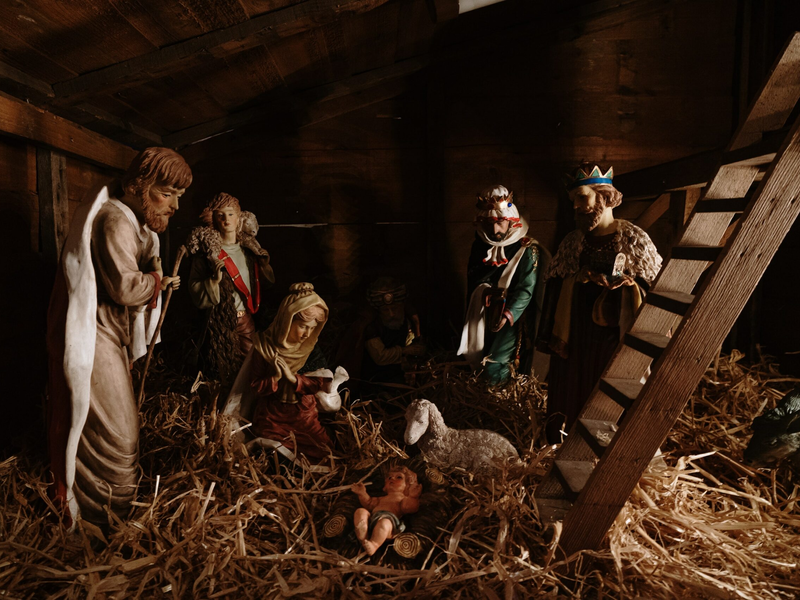
Gold, Incense, and Myrrh

The gifts of the wise men have been commonly interpreted as royal gifts to the infant King of the Jews. Each of the three gifts is, indeed, connected with kings and kingship in Scripture. The Lord’s anointed is pictured wearing a crown of gold in Psalm 21:3, and the gold…

by Peter LeithartApril 13, 1990
screen-shot-2021-08-12-at-2-57-54-pm
Biblical Studies

Why Should I Join A Church?

The Church is not in good shape. Nearly every week we hear about another prominent Christian leader who has fallen into scandalous sin. Many shepherds feed their flocks a diet of baby food, if not outright poison. Few Churches celebrate the Lord’s Supper regularly, and few Christians appreciate its importance.…

by Peter LeithartApril 13, 1990
49980-nicolas_poussin_-_the_judgment_of_solomon_-_wga18330-800w-tn
Proverbs

Advice From a Sojourner, Part 5

Two things I asked of Thee, Do not refuse me before I die: Keep deception and words of falsehood far from me, Give me neither poverty nor riches, Feed me with the food that it my portion, Lest I be full and deny Thee, And say, "Who is the LORD?"…

by James B. JordanApril 2, 1990
2021062017064_19a220d4dd04dbe2059acec521be2821cb09ad79f6add3a723824ee71abbf5cc
Biblical Studies

Joseph, the Righteous Husband

During the Middle Ages, Joseph, the husband of Mary, was the butt of many jokes. Medieval theater and art often depicted him as something of a buffoon, decidedly marginal to the gospel story. In part, this was the unfortunate obverse of the exaltation of Mary; any man would suffer by…

by Peter LeithartMarch 13, 1990

Showing page 304 of 309

See all
See all

Objective/Subjective

McGrath notes that Augustine interpreted the genitive in the phrase “righteousness of God” in Rom 1 objectively, so that it was understood as the righteousness that God gives in saving sinners (in “making” them righteous). Ambrosiaster, as I pointed out in an earliet post, interpreted the genitive subjectively - the…

April 20, 2006

Old Perspective on Paul

Ambrosiaster writes, “Iustitia est Dei, quia quod promisit dedit, ideo credens hoc esse se consecutum quod promiserat Deus per prophetas suos, iustum Deum probat et testis est iustitiae eius” (PL, 17.56b). McGrath explains: “God, having promised to give salvation, subsequently gives it, and as a result is deemed to be…

April 20, 2006
History

Unfinished Reformation

Nevin wrote: “There is more a great deal in Christianity, I firmly believe, more in the idea of hte Holy Catholic Church, than has yet been attained, either in the way of knowledge or in the way of life, by the Protestant Reformation.”

April 20, 2006

Factitive Justification

There was a consensus among the theologians of Trent, McGrath argues, that justification was “factitive,” a view that excluded that “a sinner may be justified solely as a matter of reputation or imputation, while remaining a sinner in fact.” But of course that raises the question, What exactly is a…

April 20, 2006

True Lutherans

McGrath traces the odd development in Lutheran Orthodoxy of the notion that regeneration and faith precede justification in such a way that “where Luther had understood justification to concern the unbelieving sinner, orthodoxy revised this view, referring justification to the believing sinner.” This takes Lutheran Orthodoxy back in the direction…

April 20, 2006

Ontological change

McGrath notes, “While justification was universally understood to involve the regeneration of humanity, the opinion that an ontological change is thereby effected within humans is particularly associated with the period of High Scholasticism and the development of the concept of created grace. The earlier medieval theologians expressed the change effected…

April 20, 2006

Showing page 1854 of 2212

Browse by Category

In Medias Res

Your weekly digest for all things Theopolis.

Donate

Theopolis is nearly 100% donor-supported. Consider joining us on our mission.