Theopolis Logo

Writing

Explore our collection of theological essays, biblical studies, and reflections on faith and culture.

See all
cloister
Democracy

The Babylonian Unity of the Church

There are many legitimate reasons to lament the divided state of the church. Fleshly pride, theological hubris, sectarian rivalries are each in their own ways modern versions of the Galatian heresy, refusing table fellowship with brothers and sisters for whom Christ died. And denominations have frequently played the same role…

by Toby SumpterJune 23, 2015
img_0166
Theopolis News

Bogumil Jarmulak

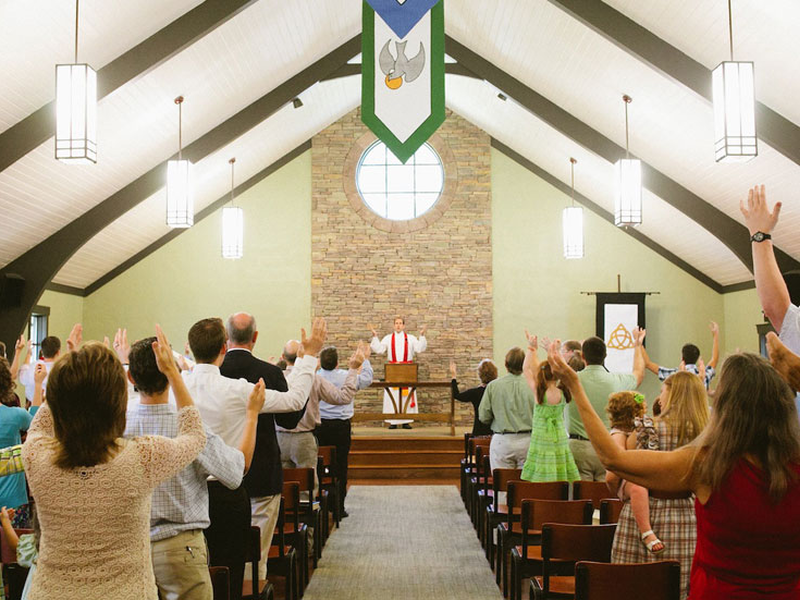
Though Bogumil Jarmulak was not able to deliver his lectures on Jurgen Moltmann due to flight delays, he preached at Trinity Presbyterian Church on Sunday morning, June 14. He encouraged the church in how to deal with misery in this life, and pointed them to their only hope in life…

by Brian MoatsJune 18, 2015
img_6328
History

Christians, Liturgy, and the Past, 2

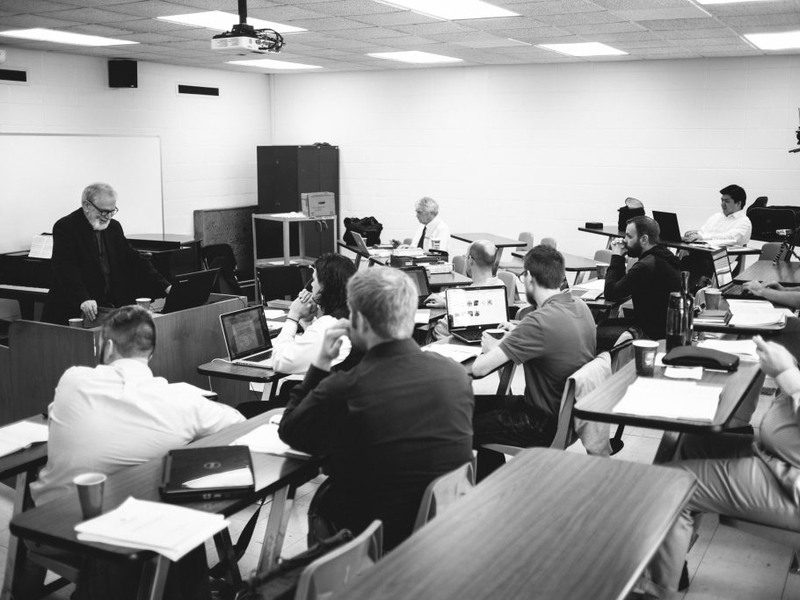
Connecting with the past within the present is a complicated endeavor. One of the most immediate challenges facing us is that of ensuring that, as Christians, our use of the past is undertaken in service of present faithfulness. The past is not a realm to which we retreat, but a…

by Alastair RobertsJune 18, 2015
img_6538-2
Theopolis News

Letter From Peter Leithart

Dear friend of Theopolis, Before he attended the Theopolis course on Holistic Mission during Easter term, 2014, Jonathan Sedlak lived with his family in the quiet, comfortable Milwau­kee suburb of Slinger, Wisconsin. An intensive week in Birmingham changed all that. Listening to missionary Wes Baker and hashing over readings and…

by TheopolisJune 16, 2015
bauhaus
Architecture

The Crystalline Vision: Bauhaus and the Bible

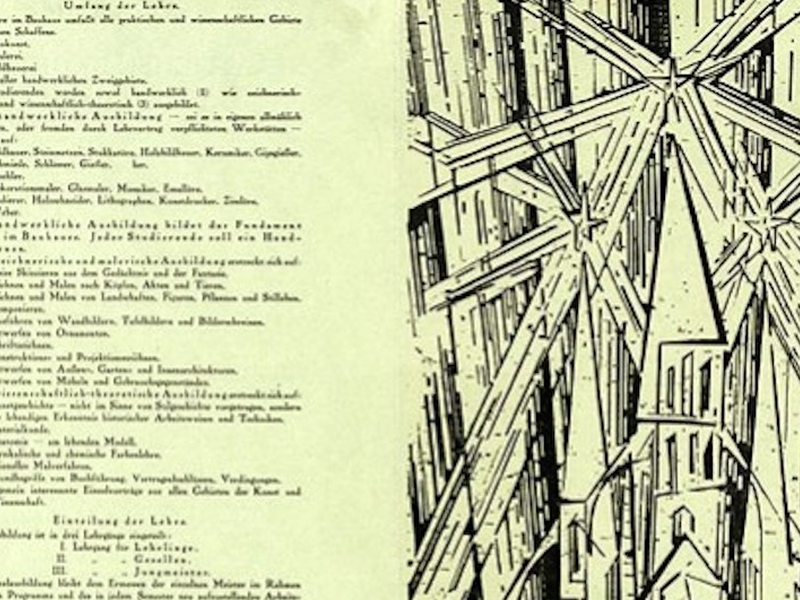
“What is in the nature of these materials?” The Bauhaus, founded in Germany in 1919 by architect Walter Gropius, had a profound influence in every area of design, from graphics and typography to clothing, furniture and architecture. The institution was not so much a style as a method, its philosophy…

by Mike BullJune 11, 2015
samuel-branch-zpvisr0s_hq-unsplash
Books

The American Way of Being Church

​Russell Richey's ​Denominationalism collects some of the most important essays on its titled topic. The authors are a who's-who of 20th century American religious history: Winthrop Hudson, Timothy L. Smith, Sidney Mead, Richey himself, H. Richard Niebuhr and Martin Marty. Some are broad synthetic studies; others are more granular studies…

by Peter LeithartJune 10, 2015

Showing page 151 of 309

See all
See all

Reformation Rhetoric

Peter Matheson ( Rhetoric of Reformation ) recognizes that polemic is “both necessary and useful” (8). It enables underdogs to gain a foothold, and “enables us to see things as they are. Its caricatures are nearer to the truth than the smooth rhetoric and facile images beloved of politician, businessman…

April 13, 2017

Ladder to Heaven

2 Chronicles 3-4, the Chronicler's account of the temple, uses the phrase “left and right” several times. Jachin and Boaz, the two pillars, are “left and right” at the porch (3:17). Ten basins are set up in two groups of five on the left and right of the court (4:6).…

April 12, 2017

The Pillars that Huram Built

In her study of Leviticus as Literature , Mary Douglas notes the “house that Jack built” quality of the Levitical descriptions of sacrifice. Priests put animal parts on the wood that is on the fire that is on the altar. Douglas takes this as a sign that Leviticus describes sacrifice…

April 11, 2017

Pollution and Purgation in the Reformation

I n a famous essay on “rites of violence” in sixteenth-century France, Natalie Zemon Davis argued that one motivation behind mob violence was the desire to purge “the community of dreaded pollution. The word ‘pollution' is often on the lips of the violent, and the concept serves well to sum…

April 11, 2017

Creating the Temple

T he Chronicler's account of the construction of Solomon's temple (2 Chronicles 3:1-5:1) follows the creation week of Genesis 1 in general and in specific details. In general, the account moves from a description of the dimensions, materials and adornments of the three zones of the temple (porch, palace, most…

April 10, 2017

Weber the Idealist

R obert Scribner doesn't think Protestantism “disenchanted” the world. Reformers did attack certain forms of medieval “magic.” They rejected “sacramentals,” which were “functional” rituals that could be used as protection against devils. This didn't produce a “buffered” world, impervious to outside influence. No one surpassed Luther in his obsession with…

April 7, 2017

Showing page 187 of 2212

Browse by Category

In Medias Res

Your weekly digest for all things Theopolis.

Donate

Theopolis is nearly 100% donor-supported. Consider joining us on our mission.