Theopolis Logo

Writing

Explore our collection of theological essays, biblical studies, and reflections on faith and culture.

See all
last-supper
American Politics

How To Change the Supreme Court

Appalling as it is, the decision of the United States Supreme Court regarding marriage cannot come as much of a surprise to reformation minded Christians. At the same time, this event is a warning from which we might learn. It is parallel to the attack of AIDS in the homosexual…

by James B. JordanJuly 8, 2015
putin
Europe

Gay West and Straight East?

Should we trust Vladimir Putin, we could come to believe that the West is a gay paradise whereas Russia strongly defends traditional and even Christian morality. Similar conclusion could be drawn from polls, which say that the European Union and America are the parts of the world where the acceptance…

by Bogumil JarmulakJuly 7, 2015
street
City

Jane Jacobs: The Jane Austen of Economics

In 1974, Steven Goldberg published one of the books that radical feminists have since assiduously tried not to remember has ever been published: The Inevitability of Patriarchy . As David Gutmann said in a Commentary review: “Goldberg’s virtues as a scholar and a logician are formidable. . . .[He is]…

by Richard BledsoeJuly 7, 2015
stonewall
American Culture

A Pastoral Letter from Louisville

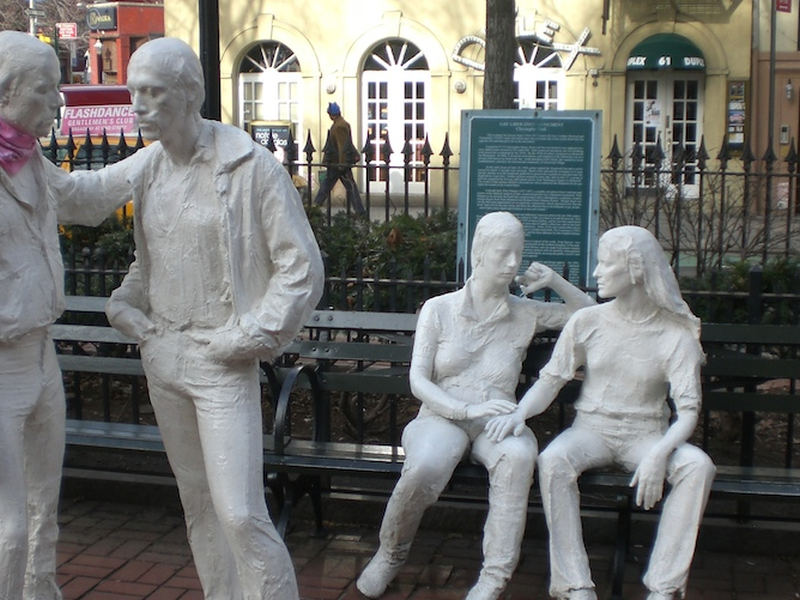
Since Friday’s SCOTUS decision in Obergefell v. Hodges , social media have been inundated with rainbows, tweets, quips, and essays both celebrating and decrying our new culture that has been officially codified in these United States. With a strong LGBT community in our city, we, no doubt, will see a…

by Bill SmithJuly 6, 2015
moses
Biblical Law

The Death Penalty in the Mosaic Law

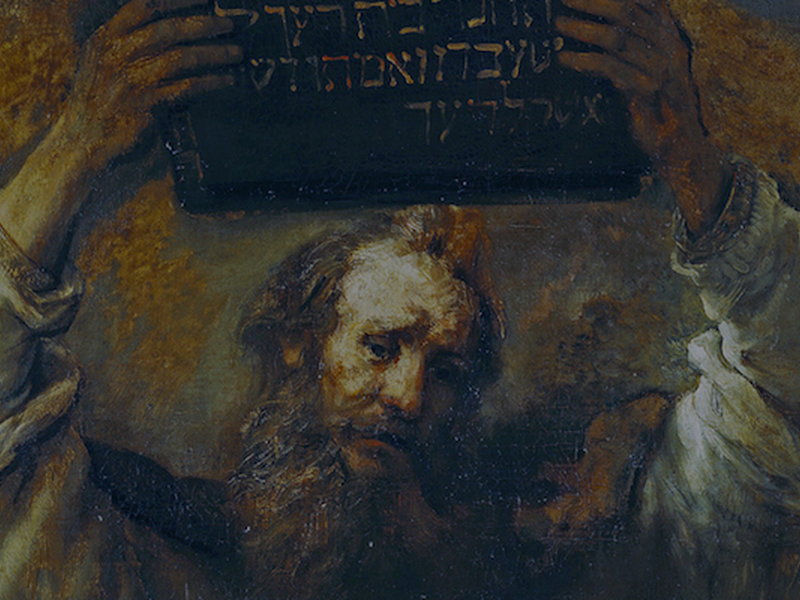
During the course of recent debates among Evangelicals concerning same-sex marriage, critics of the traditional Christian position that homosexual acts and desires are sinful and unnatural have often pointed to Leviticus 20:13, where "he who lies with a man as with a woman" is condemned to death. In the following…

by Peter LeithartJuly 3, 2015
david-goliath-2
Homosexuality

When Obergefell Falls

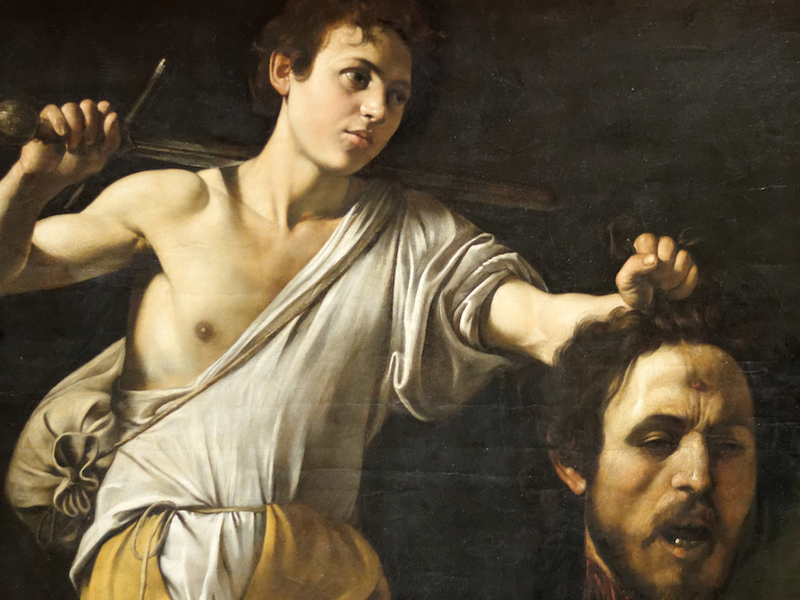
We are being taunted. The giant’s name is Obergefell ; he is a six-fingered descendent of the Anakim. He has come out onto the battlefield arrayed in his impressive armor. He wears the media elites like a helmet of brass, and on his chest, he wears the deep pockets of…

by Toby SumpterJuly 2, 2015

Showing page 149 of 309

See all
See all
History

Modernity and antiquity

Kumar suggests that “some of the principal hall-marks of modernity” are already evident in the Christian notions of time and history. Both Christianity and modernity separate time from nature, and humanize time; time is seen by both as “linear and irreversible”; both see history as an Aristotelian drama with beginning,…

February 24, 2006
History

First Modernity

The Latin modernus was coined in the late fifth century, as an antonym to antiquus , and variations of modernus became particularly common after the 10th century. Thus, Krishan Kumar writes, “Modernity is . . . an invention of the Christian Middle Ages,” and was used to emphasize the radical…

February 24, 2006
Philosophy

Computer Communications and the Self

Poster lists four effects that computer communications (email, chat groups, etc) have on the self: “1 they introduce new possibilities for playing with identities; 2 they degender communications by removing gender cues; 3 they destabilize existing hierarchies in relationships and re-hierarchize communications according to criterio that were previously irrelevant; and…

February 24, 2006
Philosophy

Computers, subjects and objects

Descartes famously contrasted the mind (res cogitans) with the external world (res extensa), but Mark Poster suggests that computer writing fudges that distinction: “the computer dematerializes the written trace. As inputs are made to the computer through the keyboard, pixels of phosphor are illuminated on the screen, pixels that are…

February 24, 2006
Media

Community and New Communications

Mark Poster points to a tension between the modern institutions of production and the postmodern technologies of communication, particularly as they impact the formation of the self: “If modernity or the mode of production signifies patterned practices that elicit identities as autonomous and (instrumentally) rational, postmodernity or the mode of…

February 24, 2006
Media

Telephone

Prior to World War I, Telefon Hirmondo, the telephone system of Budapest, was used as a broadcast system, with a published schedule of programs that were restricted to certain classes of people in Hungary. Only later did it develop into a communications system in which everyone could pass information to…

February 24, 2006

Showing page 1878 of 2212

Browse by Category

In Medias Res

Your weekly digest for all things Theopolis.

Donate

Theopolis is nearly 100% donor-supported. Consider joining us on our mission.